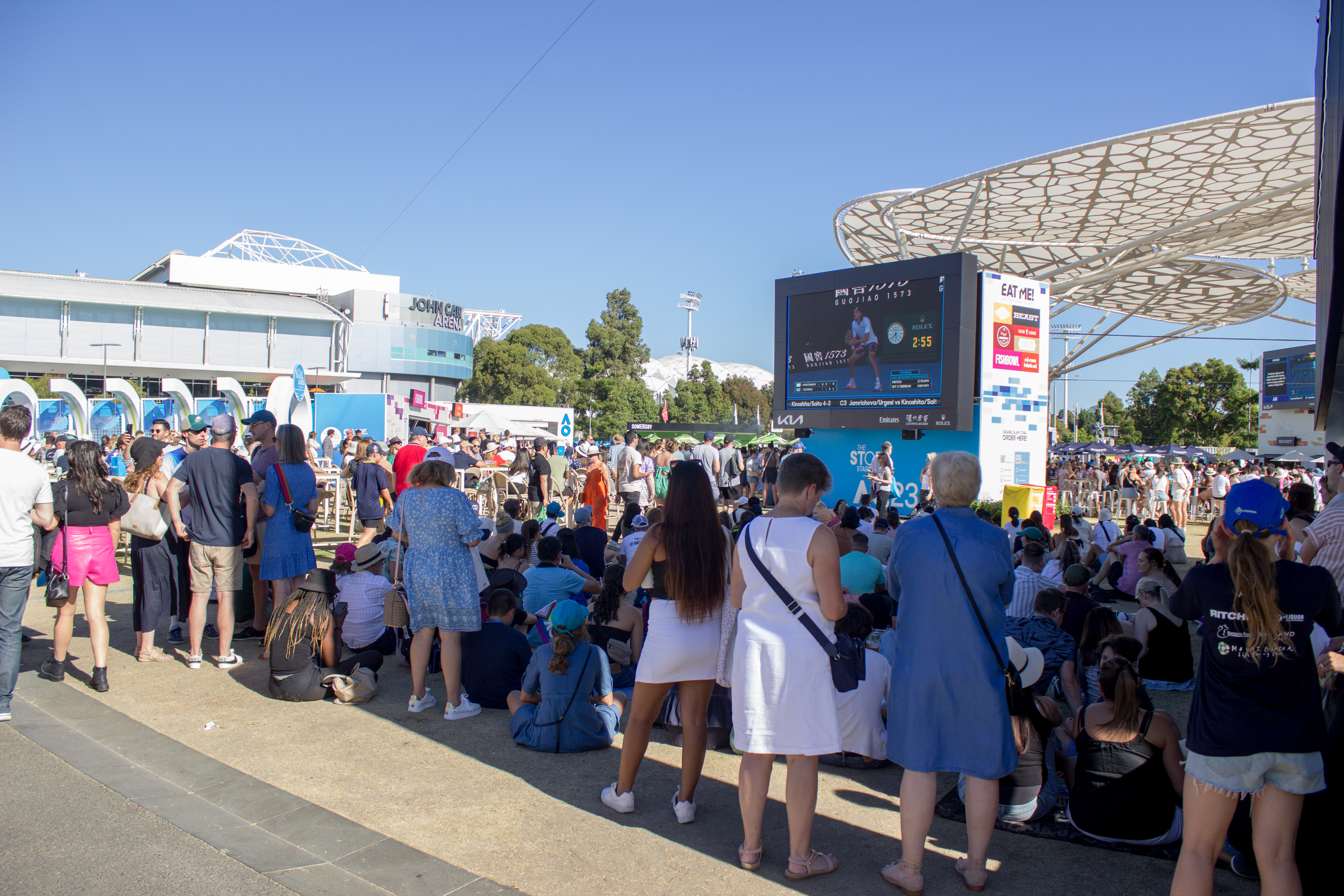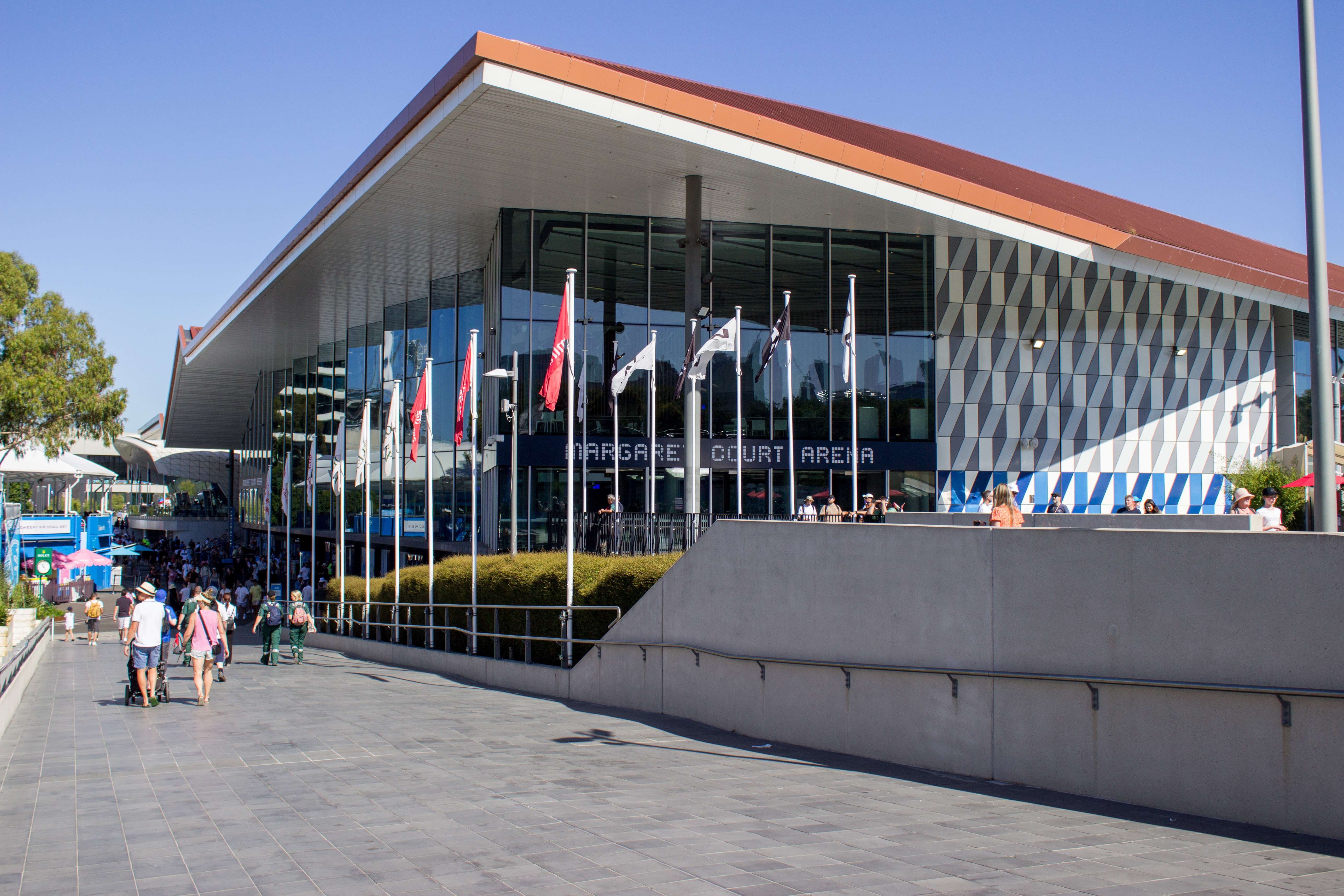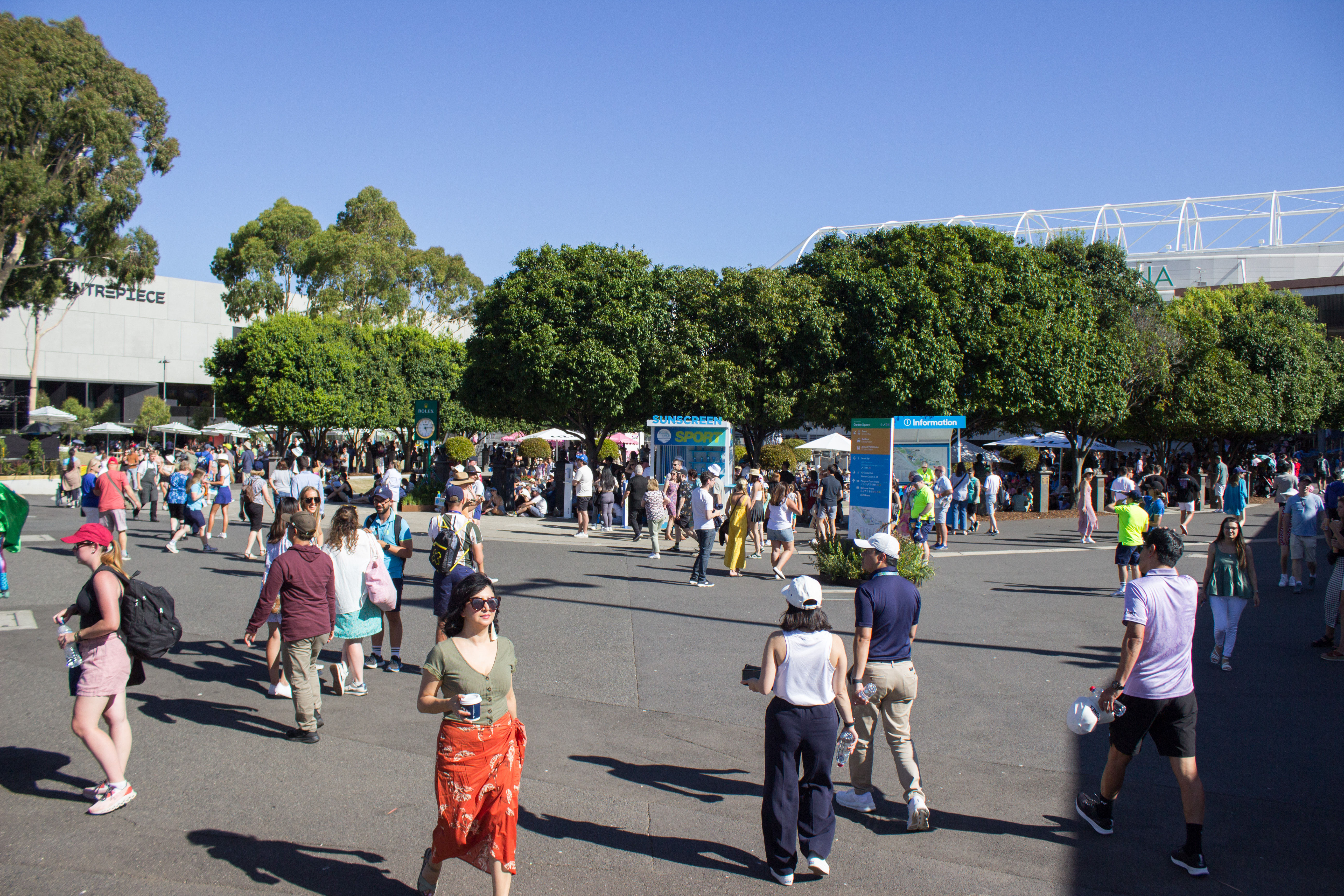
Melbourne's biggest sporting events sell themselves. What doesn't automatically make it onto a tournament itinerary is the fact that Melbourne's actual identity, the thing locals will argue about for an hour if you let them, is built into a grid of service alleys most visitors walk straight past.
Melbourne's laneways started as exactly that: back alleys behind the main Victorian-era streets, built for deliveries and rubbish carts, not people. That changed in the 1990s when CBD rents pushed café operators into the cheap, narrow, unglamorous spaces nobody else wanted, and the espresso culture that grew out of those first laneway cafés is the direct reason Melbourne, not Sydney, calls itself Australia's coffee capital. Degraves Street, dating back to the 1850s and named after two of the city's early settlers, is where that transformation is most visible today — a genuinely pedestrian lane lined with alfresco tables, still doing the job it started doing thirty years ago rather than a rebuilt tourist version of it.
Patricia Coffee Brewers, tucked into a laneway off Little Bourke Street, is worth naming specifically rather than just pointing at "the laneways" in general — a standing-room-only espresso bar that rotates guest roasters through its own house blends, regularly cited among the best flat whites in the city, and a genuine example of what the laneway café model looks like when it's done exceptionally rather than just adequately. See live rating and reviews on Google Maps
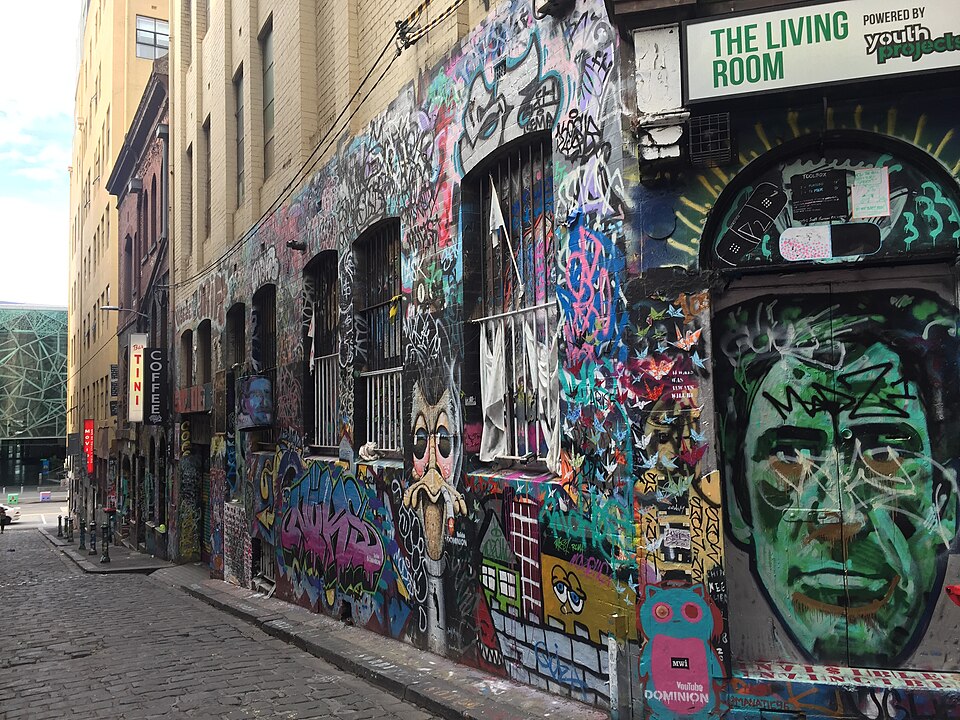
The other laneway story is street art, and it has its own real route: Hosier Lane, the laneway most credited with establishing Melbourne's street art reputation in the first place, then AC/DC Lane (named for the band, with a mural of Bon Scott and Malcolm Young), Centre Place, Croft Alley, and Union Lane. Artists work these walls constantly and pieces last weeks rather than years, so what you see on today's walk-through won't be there next time you're back, whatever brings you. See live rating and reviews on Google Maps
Queen Victoria Market, a short walk from the CBD's laneway cluster, is the other anchor for a city day — a working market since the 1870s, not a preserved relic, with fresh produce, a deli hall, and the Night Market running Wednesday evenings in summer.