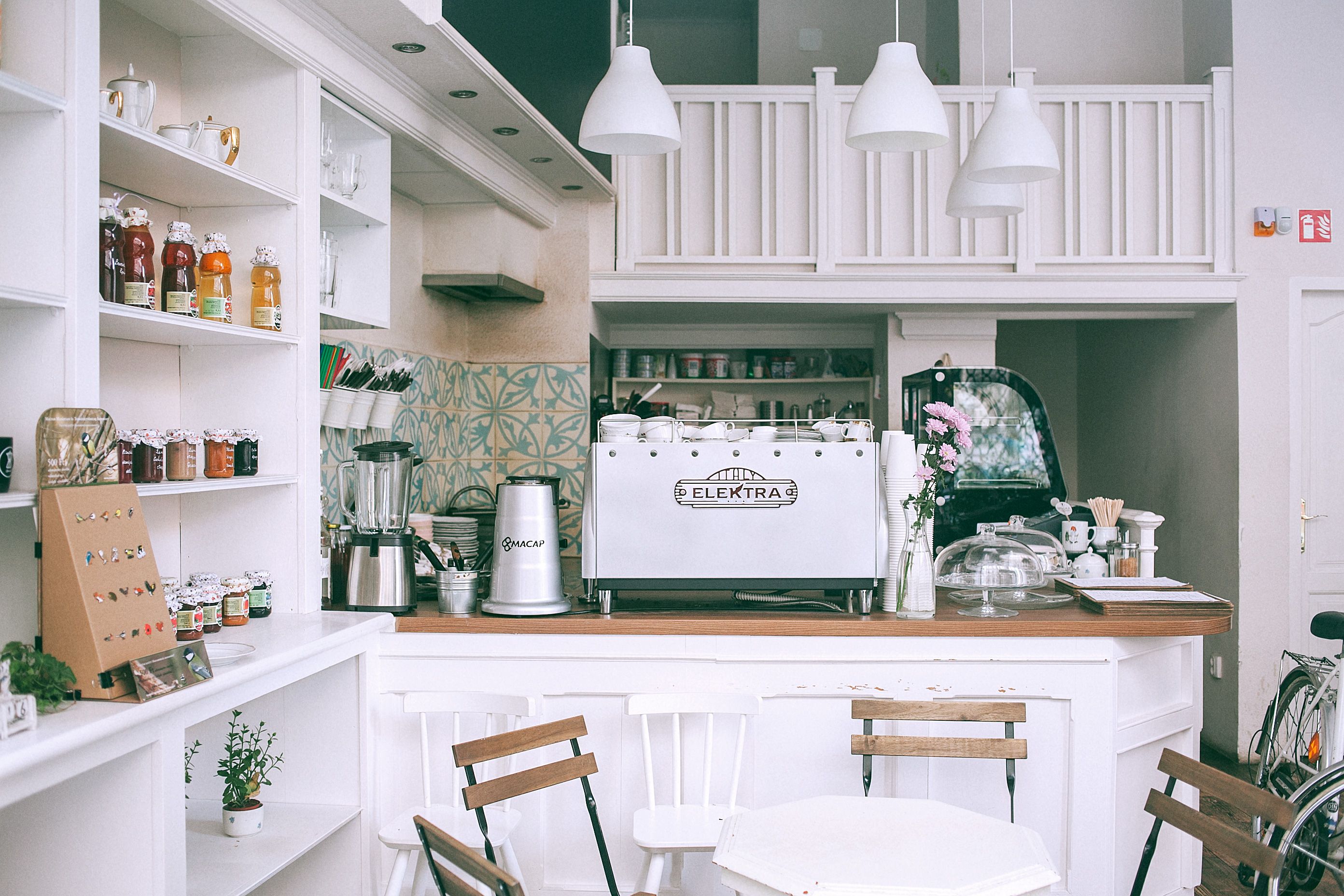
Melbourne's coffee culture isn't a marketing line, it's the reason the flat white exists in its modern form. The drink emerged from shared Melbourne-Sydney-Wellington-Auckland barista culture around the 1980s, and the version served in Melbourne today stabilized close to 1990 — a tight espresso-to-milk ratio with a thin layer of microfoam, harder to pull consistently than a standard latte, which is part of why Melbourne baristas built a reputation as genuine professionals rather than machine operators. The city leaned hard into independent cafes over chains through the 1990s and 2000s, and that pattern still defines the scene: there's essentially no equivalent of a dominant coffee chain in the city's actual culture, just a dense, competitive layer of independent roasters and cafes.
Patricia Coffee Brewers, tucked into a laneway off Little Bourke Street, is a standing-room-only espresso bar that's become one of the CBD's most consistently well-reviewed coffee stops — no seats, no food menu to speak of, just genuinely good coffee served fast to people on their way somewhere else, which is as Melbourne a format as the drink itself. See live rating and reviews on Google Maps
Bench Coffee Co runs a Little Collins Street espresso bar alongside its Brunswick roastery, and it's a real option if your day starts or ends in the CBD near Melbourne Park — solid, well-reviewed coffee without needing to leave the walkable center. See live rating and reviews on Google Maps
Industry Beans in Fitzroy is a roaster-cafe that moved into a larger, light-filled warehouse space and built a reputation on inventive signature drinks alongside its own-roasted beans — worth the short trip north of the CBD if you have a free morning and want a proper sit-down cafe experience rather than a quick stand-up espresso. See live rating and reviews on Google Maps
None of these require a special trip during the tournament — Patricia and Bench both sit within easy walking distance of the CBD-to-Melbourne Park corridor, and Industry Beans is a short tram ride into Fitzroy if you're building a fuller day around it.
The wider context matters too: Melbourne's shift toward specialty coffee accelerated through the late 1990s and 2000s specifically as a move away from chain cafes, and that pattern has held. There's no dominant national coffee chain woven into daily Melbourne life the way there is in most major cities — the market stayed genuinely fragmented across thousands of small independent operators, which is part of why quality stayed high and consistent rather than getting diluted by scale. That's a real structural reason Melbourne's coffee reputation has held up for decades rather than being a passing trend.