Melbourne's Coffee Culture
The city that built the modern flat white — a fan's guide between sessions
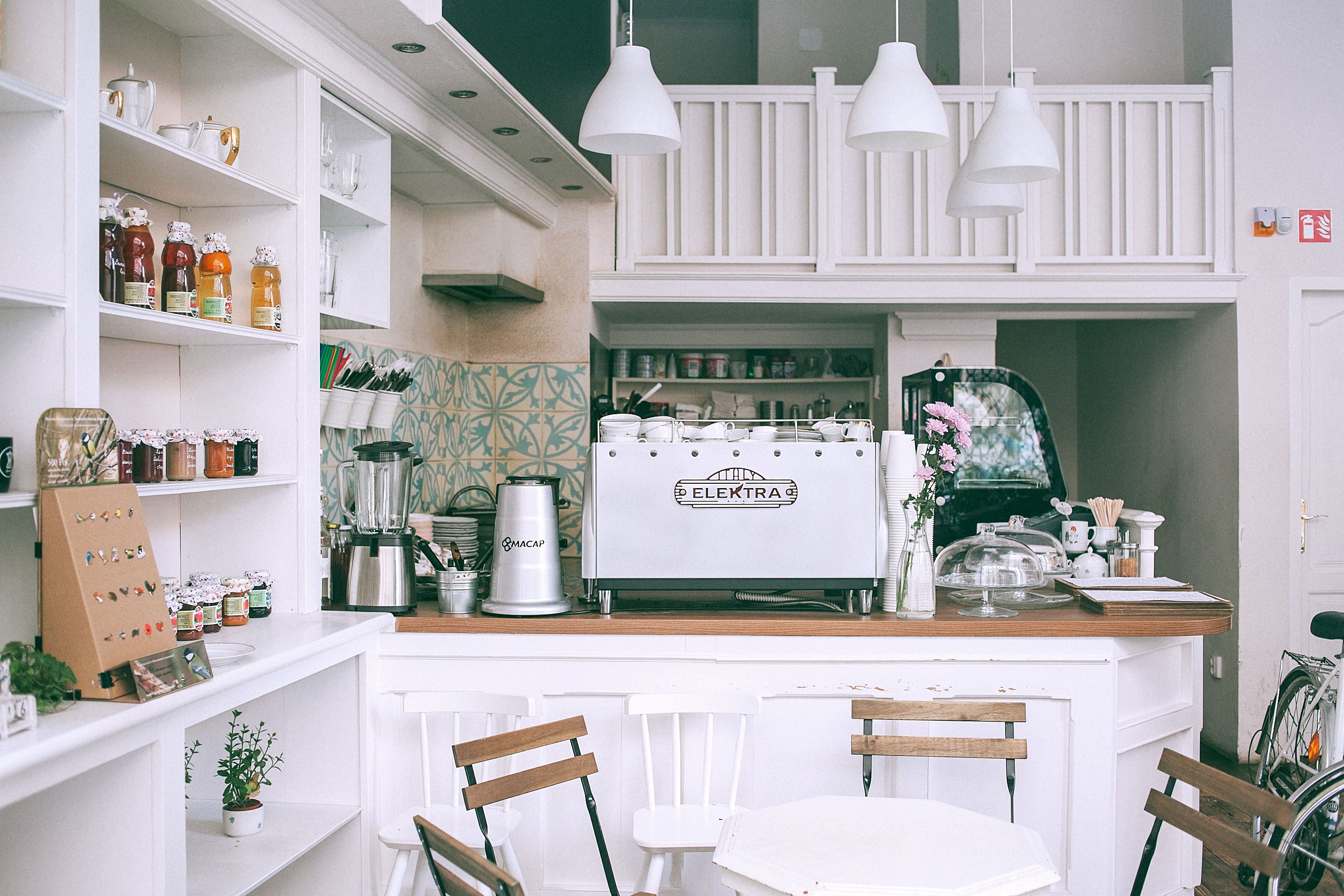
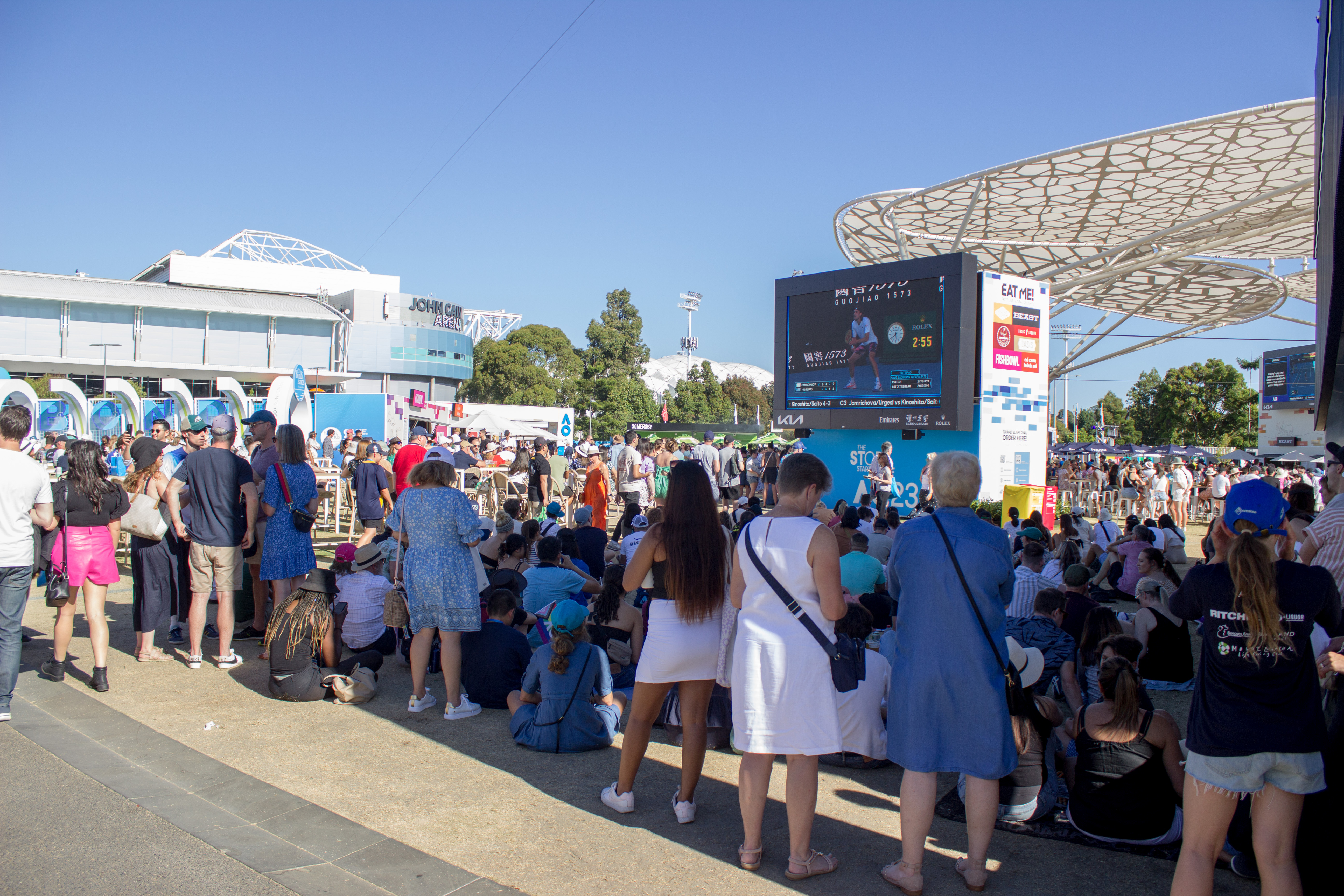
I think the flat white detail is the whole argument for taking Melbourne's coffee culture seriously rather than treating it as generic city color: this is a drink Melbourne baristas built and exported to the entire world, and the standard for pulling one properly is still set here. That's a real, specific claim to civic pride, not vague "great coffee scene" copy. What I like about pairing this with a tennis trip specifically is the contrast — you go from a loud, festival-scale sporting event to a laneway espresso bar with standing room only and total, practiced quiet, sometimes within the same twenty minutes. Melbourne's cafe culture rewards actually seeking it out rather than grabbing whatever's closest to the gate, and the reward is a genuinely different, much smaller-scale kind of expertise than anything happening on Rod Laver Arena that same day.
Melbourne CBD
Worth knowing
- —Melbourne has roughly 3,000 cafes, and there's no dominant national chain woven into daily life the way there is in most major cities — a genuinely fragmented, independent market that's part of why quality has held for decades rather than fading as a trend.
- —The flat white's origin is a real, unresolved rivalry — Sydney's Moors Espresso Bar was serving one under that name by 1985, while Wellington baristas claim a 1989 invention; Melbourne didn't invent the drink, it perfected and popularized the version now served worldwide.
- —For a laneway spot beyond the well-known names, Little Rogue on Drewery Lane (look for the blue door, easy to miss) and Dukes Coffee Roasters inside Ross House on Flinders Lane are both real local favorites worth the detour if you've already done the obvious CBD stops.