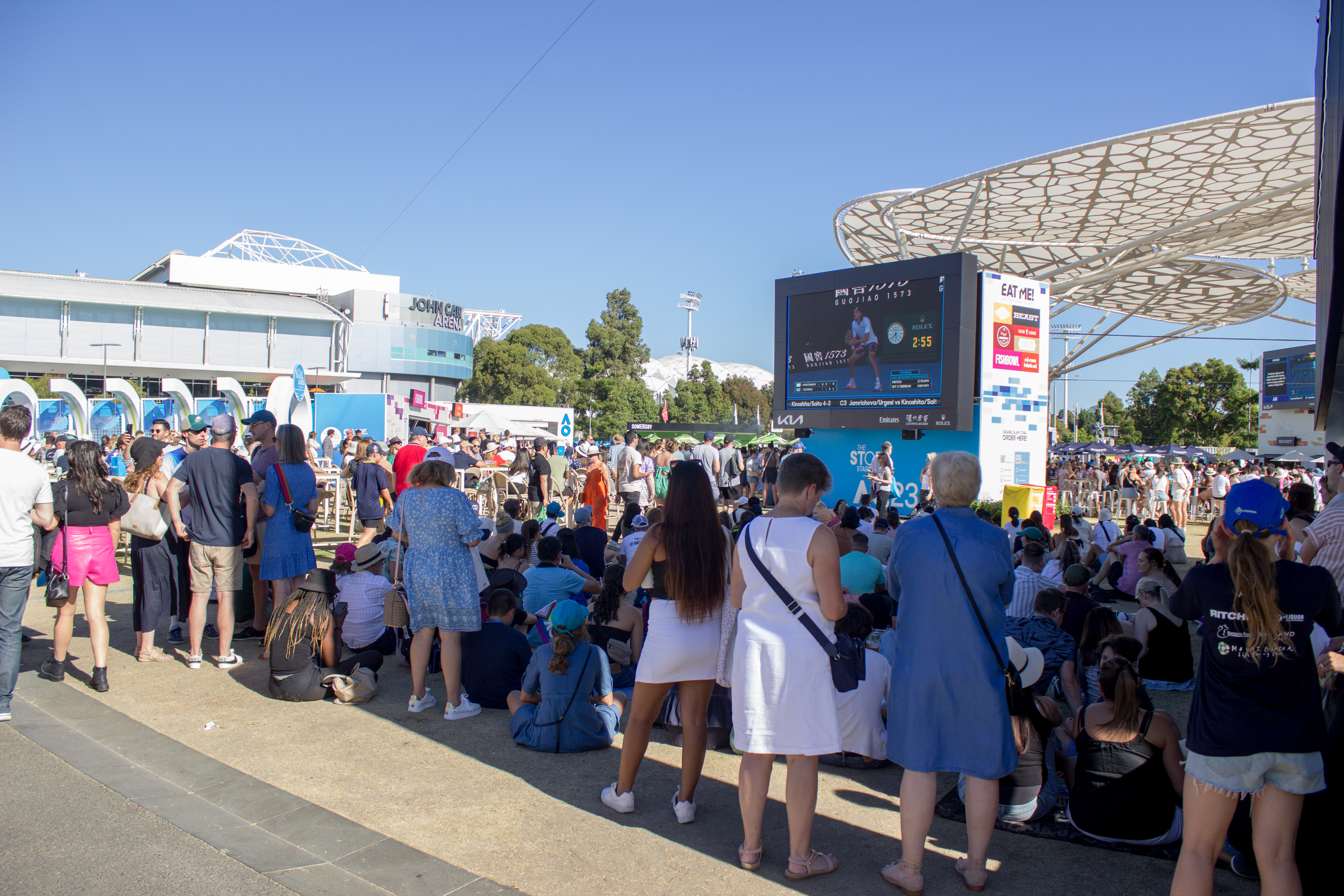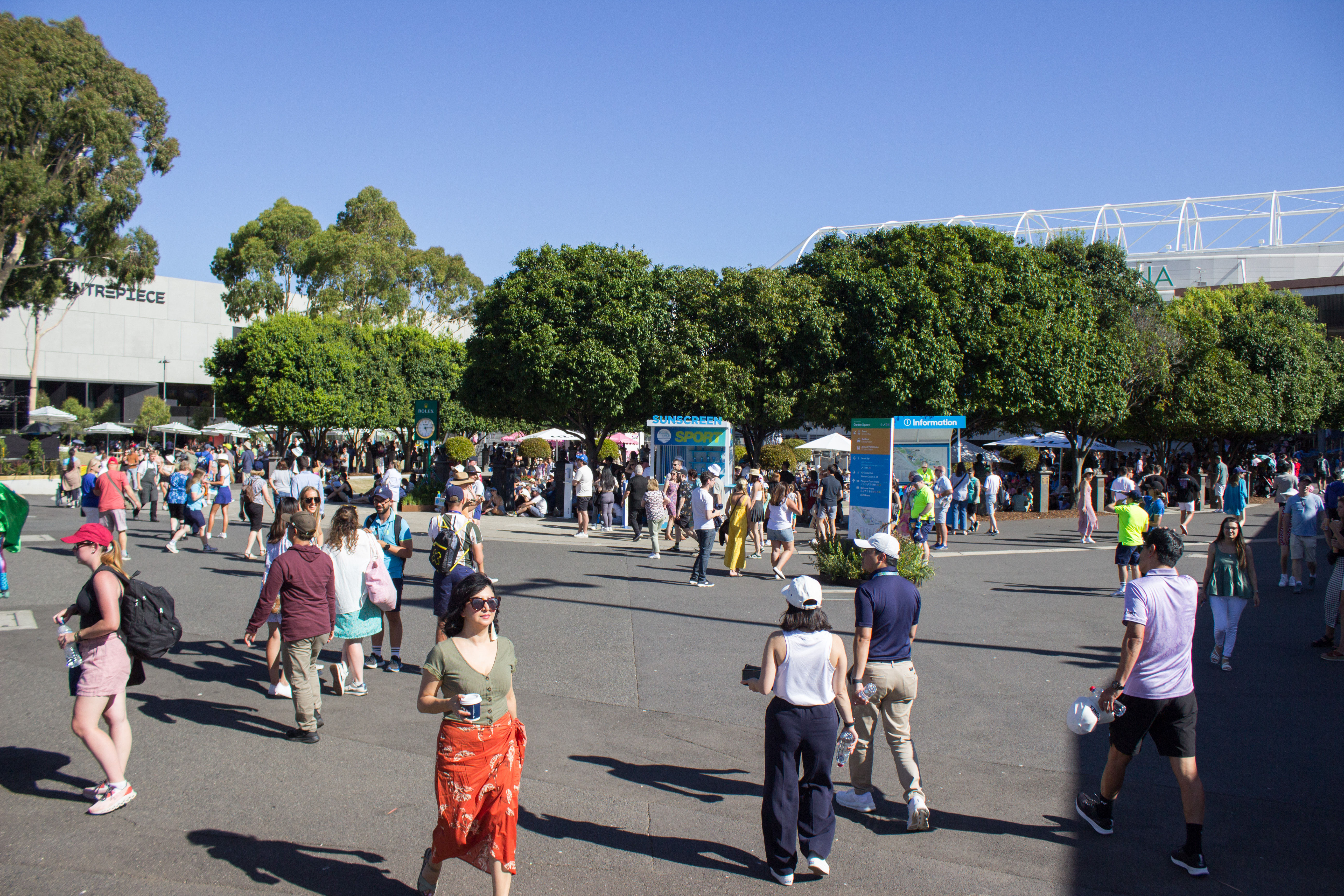
No other Grand Slam has produced finishes like the Australian Open. The record belongs to Lleyton Hewitt and Marcos Baghdatis, whose 2008 third-round match on Rod Laver Arena didn't even start until 11:47pm and went five sets before Hewitt closed it out at 4:34am — still the latest finish in Grand Slam history. Fifteen years later, Andy Murray's five-set win over Thanasi Kokkinakis in 2023 came close, ending at 4:05am after a match that started at 10:20pm and ran five hours 45 minutes. Murray called it "a farce" afterward. Novak Djokovic has criticized the scheduling that produces nights like these. The tournament's own tournament director has defended it publicly more than once, arguing genuinely dramatic tennis doesn't stop just because it's 2am.
That era is now being deliberately wound back. The ATP and WTA introduced joint scheduling rules in 2024, on a trial basis, capping matches at five per court per day, pushing night sessions to start no later than 7:30pm, and barring new matches from starting after 11pm without special approval. The stated reason was blunt: matches finishing after midnight had "risen considerably in recent years," and both tours decided that was a problem worth fixing rather than a colorful side effect of great tennis.
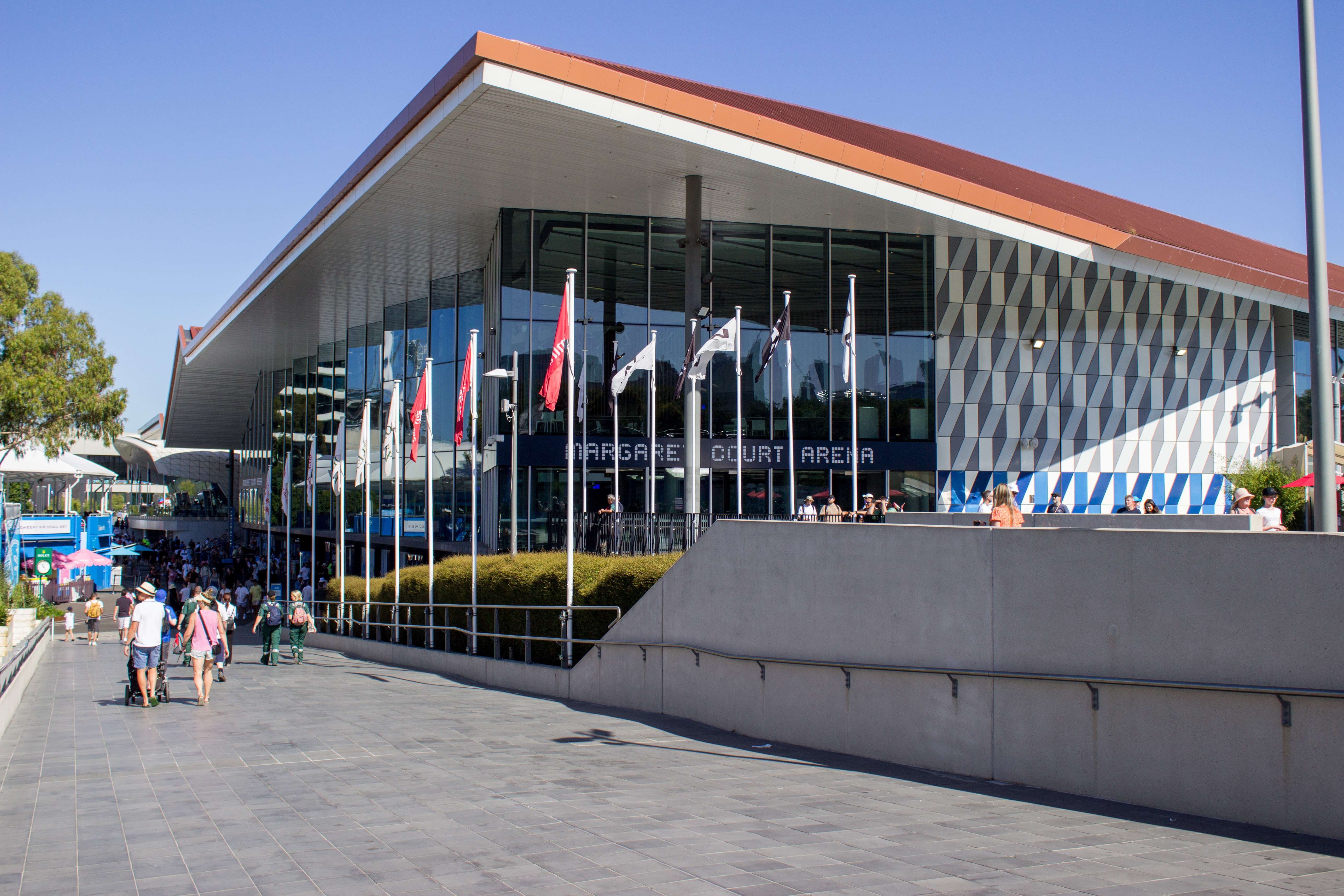
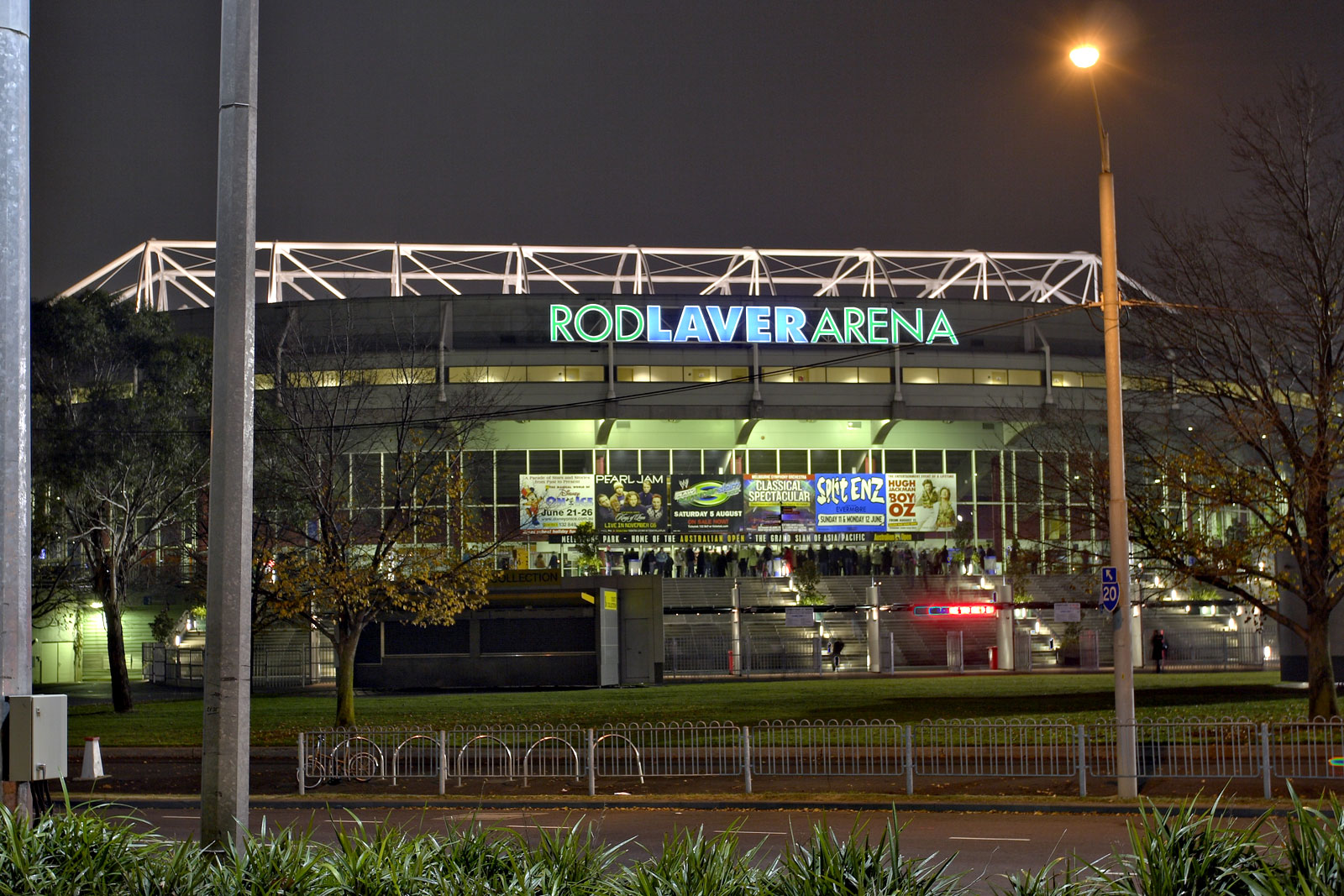
What that means for a visitor to AO 2027 is a genuine trade-off worth understanding honestly. The 4am finishes that built part of this tournament's reputation for dramatic, borderline-absurd theater are exactly what the new rules are designed to prevent. You're unlikely to witness anything approaching the Hewitt-Baghdatis or Murray-Kokkinakis extremes. What you can still get, and what the rules don't touch, is the night session atmosphere itself at Rod Laver or Margaret Court Arena — a full house under lights, well past sundown, with genuinely high-stakes tennis running later than almost any other major sporting event schedules for. It's a toned-down version of the same phenomenon, not a different one.
It's worth remembering these marathon nights weren't isolated freak occurrences either — the pattern repeated often enough across multiple years, at multiple arenas, involving multiple different players and match types, that both tours eventually concluded it was a systemic scheduling problem rather than a run of bad luck. That's part of why the 2024 rules landed as broad structural change (a hard cap on matches per court per day, a defined night-session start window) rather than a narrower fix aimed at one specific cause — organizers had run out of one-off explanations for why so many nights kept ending near dawn.
Cost is part of the trade-off too, and it runs counter to what most first-timers assume. In the early rounds, a night session at Rod Laver or Margaret Court Arena is typically priced *below* the equivalent day session — the tournament isn't yet guaranteed to put a marquee match under lights, so the ticket reflects that uncertainty. That relationship flips hard from the quarterfinals onward: once night sessions are reliably built around the tournament's biggest remaining names, they carry a real premium over a day ticket for the same round. See the Ticket Guide for the actual current tier pricing at each stage.