Free · Pack unlocks more

What does an Australian Open trip actually look like?

A real 15-day draw, plus the practice week most first-timers skip

The tournament most people think of as "the Australian Open" is really the back half of a longer window. Qualifying and exhibition matches run 11-16 January, largely unnoticed by anyone who arrives for the main draw — then the 15-day main draw itself runs 17-31 January, moving from a wide field across every court in the first week to a handful of matches on the two biggest arenas by the second.

The National Tennis Centre's practice courts, adjacent to the main precinct, run open sessions during the week before qualifying even starts — the least-known, most underrated part of the whole event, and genuinely cheap relative to main-draw ticket prices.
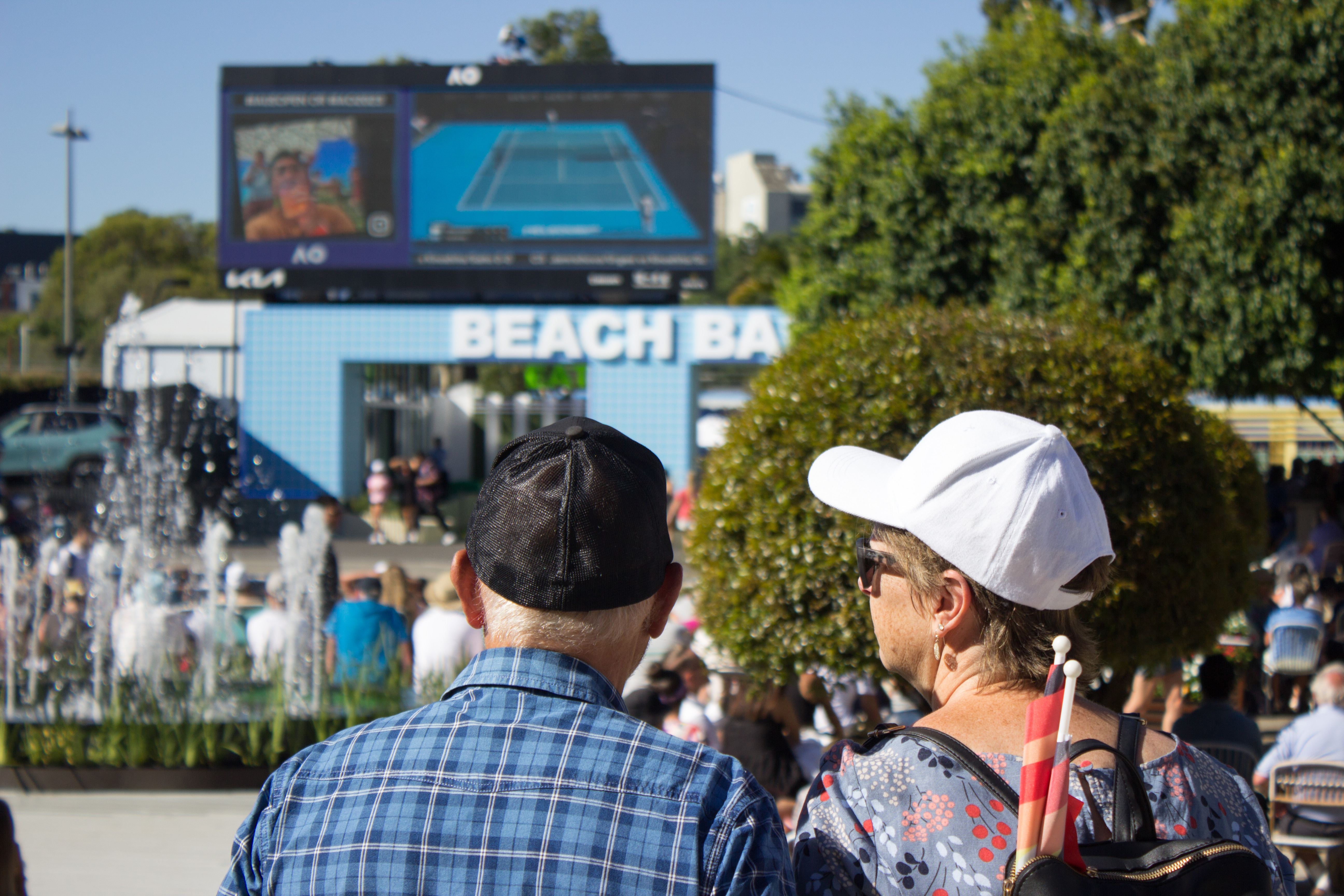
Practice Week at the National Tennis Centre

Practice Week at the National Tennis Centre

Qualifying tennis and open practice, days before the main draw, for a fraction of the price

Nobody plans a trip around qualifying week, and that's exactly the case for it. You get real tennis, players fighting for their careers rather than cruising through an early round, at a ticket price that's a fraction of what the same seat costs seven days later. I think the practice-court access matters more than people expect going in — watching a player work through a serve fault with their coach, close enough to hear the conversation, tells you more about how elite tennis actually gets built than a scoreboard ever will. It's also the one week where Rod Laver Arena itself is genuinely open and uncrowded, which never happens again until the tournament ends. If your trip dates are flexible at all, Opening Week is the one experience on this list that fundamentally changes what kind of Australian Open trip you're having, not just what you do on one afternoon of it.

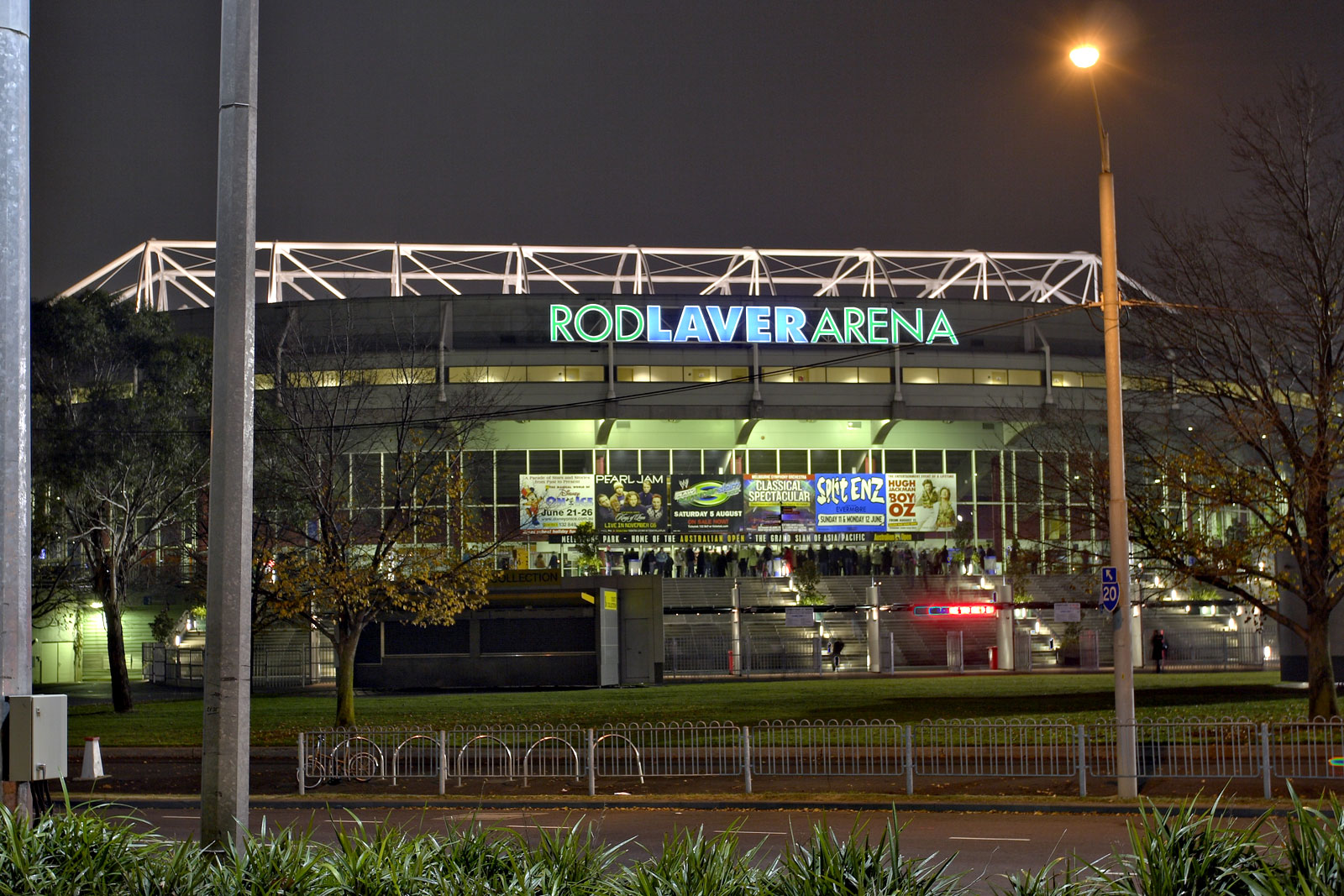
Melbourne Park

Worth knowing

  • Practice schedules for the National Tennis Centre and Rod Laver Arena are published only a day or two in advance on the AO app — check the morning of, not before, since named players can be swapped or withdrawn with little notice.
  • Qualifying matches on the outside courts during Opening Week draw far smaller crowds than the main draw, so you can often walk straight up to a good match with no wait at all — the opposite of main-week court-hopping.
  • The official Draw ceremony mid-week is open to the public with a grounds pass and is one of the only times you'll see the tournament's seeded players make a scheduled public appearance together before matches start.

The shape of the Fortnight

Opening Week (11-16 Jan)

Qualifying and exhibition matches, plus open practice at the National Tennis Centre — the cheapest, least crowded window to see players up close before the main draw starts.

First week of the main draw (17-23 Jan)

The most matches on the most courts — outer courts and Ground Pass access are at their best here, before the draw narrows.

Second week (24-27 Jan)

Fewer matches, higher stakes — quarterfinals onward concentrate onto Rod Laver and Margaret Court Arena.

Semifinals and finals (28-31 Jan)

The tournament's biggest sessions, and its highest reserved-seat prices — see the Cost Guide for how sharply this stretch climbs.

Night sessions carry their own real risk, at Rod Laver Arena and Margaret Court Arena alike: this is the Grand Slam most associated with genuinely late finishes, some running past 4am under lights — Rod Laver specifically has hosted the tournament's most extreme cases. New ATP/WTA scheduling rules introduced in 2024 are actively working to prevent this going forward, but the history is real and worth knowing before you book a night ticket at either arena and plan an early flight the next morning.

Late Night at Melbourne Park

Late Night at Melbourne Park

The 4am finishes that built AO folklore, and the new rules working to end them

I find the Hewitt-Baghdatis match genuinely more interesting as tournament folklore than as an experience anyone should hope to replicate. A stadium that's still roughly full at 4:30am, cheering a fifth match point after five hours of tennis, tells you something real about what this specific Slam has been willing to let happen in the name of drama. The honest thing to say to a first-time visitor is that this exact spectacle is being phased out on purpose, by the people who run the sport, because it's genuinely bad for player welfare and crowd logistics — and that's the right call, even if it slightly dims part of the tournament's mythology. What survives is still worth having: night tennis at Rod Laver Arena remains later, louder, and more theatrical than any other Slam offers, even with a curfew-adjacent rulebook now sitting behind it.

Melbourne Park

Worth knowing

  • Night sessions are now scheduled to start no later than 7:30pm under 2024's joint ATP/WTA rules, with a recommendation for 6:30pm — a real structural change from the era that produced 4am finishes.
  • The 11pm rule only stops a new match from starting — it doesn't cut off one already in progress. If a marathon match is already underway on Rod Laver Arena past 11pm, it plays to a natural finish; the rule just means you won't see a fresh match begin that late in the first place.
  • The Hewitt-Baghdatis and Murray-Kokkinakis matches are both on YouTube in full — worth watching as tournament history even if you'll never see anything quite like them live under the current rules.

Exact session times can still shift

The round-by-round dates above are the real, confirmed 2027 tournament structure — but exact daily session start times aren't set until closer to the tournament. Check the official day-by-day order of play once it's published via ausopen.com.

Exact 2027 session times haven't been published yet — confirm via ausopen.com closer to the tournament.

Get the full picture

The week's real shape is free above. The pack adds the full hour-by-hour itinerary — sequenced against session times, a day-trip window, and which stretch of the draw to book your reserved seat for.

US$10Rises to US$15 after 1 December