History
Equal Pay Started Here — The US Open's 1973 Story
Tennis·2 min read·August 1, 2026
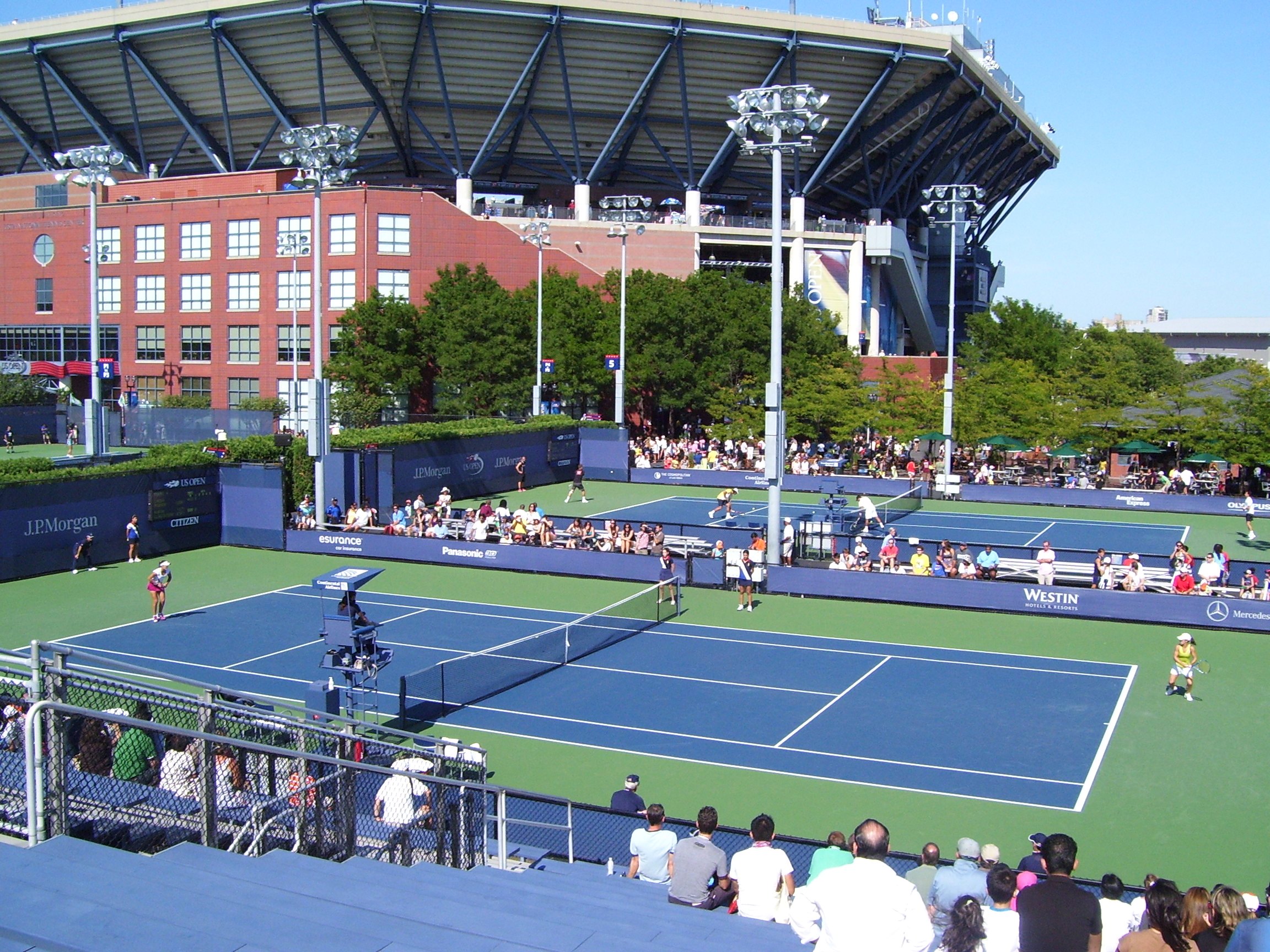
Darylsam — CC BY-SA 4.0
In 1972, Billie Jean King won the US Open. Ilie Năstase also won the US Open, in the men's draw, and walked away with $25,000. King's check was $10,000. "I said: 'This really stinks,'" she said afterward — and she meant it literally enough to threaten that she and the other women wouldn't be back the following year unless something changed.
The fix wasn't a demand. It was a sponsor.
King didn't just threaten a boycott and wait. She went looking for the $15,000 gap herself, on the theory that money solves arguments money can't win on principle alone: "If I can bring in the money, then how are they going to say no?" Bristol Myers Squibb agreed to fund the difference, and in 1973, the US Open became the first tournament in tennis — arguably the first in major professional sport, period — to pay its men's and women's singles champions the exact same prize. John Newcombe and Margaret Court each collected $25,000 that year. Nobody's check was the asterisk.
The other three majors took their time
What makes 1973 remarkable in hindsight isn't just that it happened — it's how long everyone else waited to follow. The Australian Open didn't match it until 2001, 28 years later. The French Open got there in 2006. Wimbledon, the oldest and most traditional of the four, held out until 2007 — 34 years after the US Open, and only after Venus Williams spent years publicly pushing the point before finally becoming the first woman to collect an equal winner's check there. For over three decades, "equal pay at a major" meant exactly one tournament.
A name that stuck
The USTA's home venue in Flushing Meadows carries King's name today — the USTA Billie Jean King National Tennis Center, renamed in 2006, the first major sports venue anywhere named after a woman. It sits a short walk from a stadium named for Arthur Ashe, another player who used his platform at this same tournament for something bigger than his own results. The US Open didn't just start the equal-pay conversation in tennis. It's still, physically, where you go to be reminded who started it.