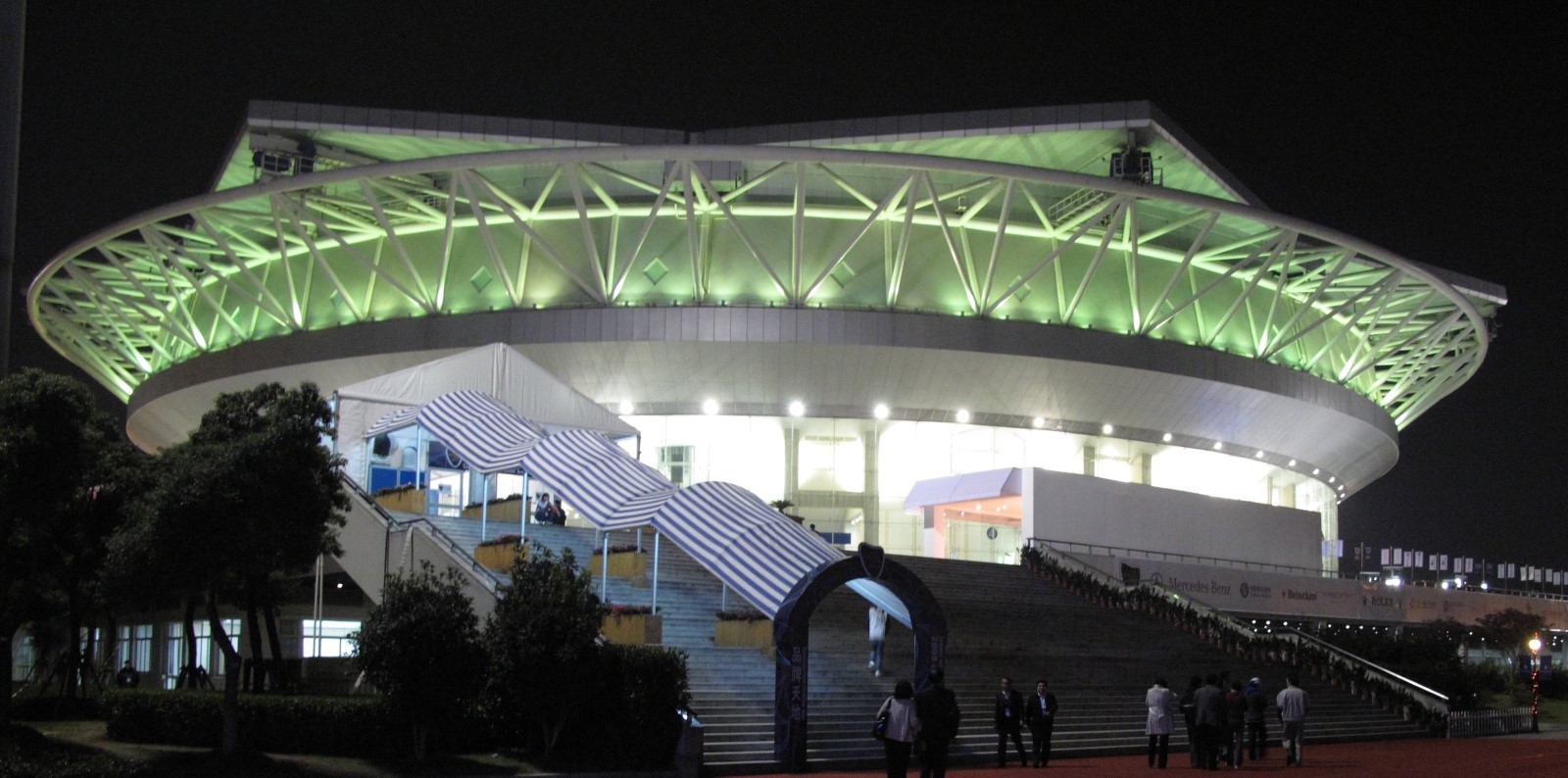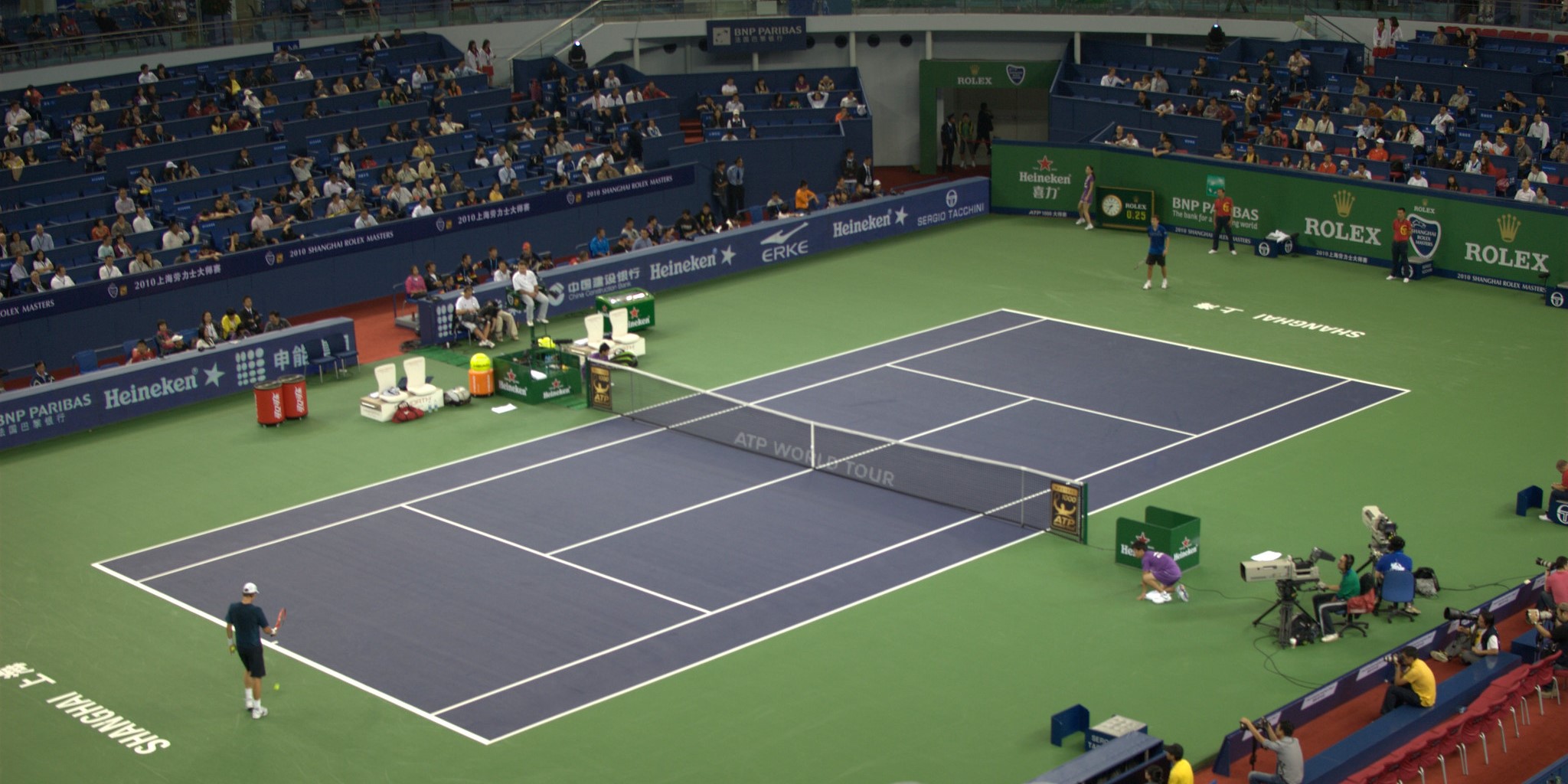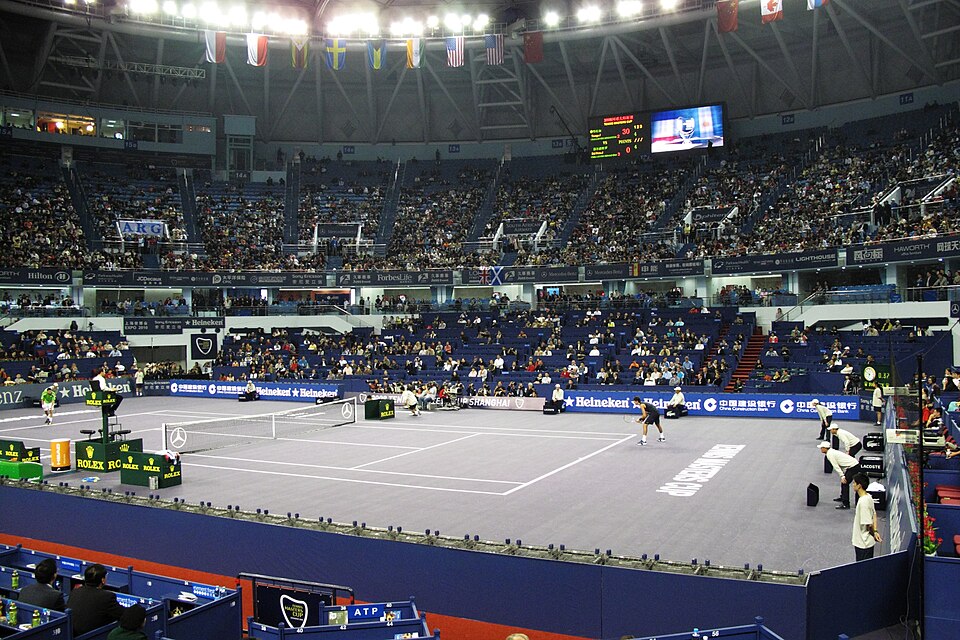
Recent editions of the Shanghai Masters have drawn over 220,000 spectators across the tournament — a real, reported figure, not a marketing round number — and more than 70% of that crowd travels in from outside Shanghai itself. This isn't a local tournament with a big venue; it's a genuine national draw, pulling fans from across China for a nine-day stretch of tennis in one city.
Players notice, and say so on record. Top-ranked professionals have described practice sessions at Qizhong as feeling like a real match because of how many people show up just to watch a warm-up — a level of attention most Masters 1000 events reserve for the actual draw, not the days before it. Crowds swell hardest for marquee matches, with chants of players' names echoing around Center Court and audible groans on mishits — the kind of vocal, emotionally engaged crowd more associated with football than tennis in most of the world.
Part of what's driving the current wave is genuinely new: China's tennis boom has real, measurable momentum behind it, driven by results rather than just marketing. The men's and women's game both have current stars fans are actively discovering tennis through — see the companion piece on Li Na and Zheng Qinwen for that specific generational story. Fans queue up to half an hour before gates open even on a workday straight after a national holiday, which tournament organisers themselves have called out as a genuinely impressive show of demand.
None of this means Shanghai's crowds are louder in some vague cultural sense — it means the actual attendance numbers, the travel-distance data, and the players' own on-record reactions all point the same direction: this is a Masters 1000 with a fan base operating at a different scale than most of its European or North American siblings.
Why it's special
Most "biggest crowd on tour" claims are marketing. This one has a real number behind it — 220,000-plus spectators, over 70% traveling from outside the host city — and it's corroborated independently by players' own comments about practice-session atmosphere, not just tournament press releases. That's the difference between an experience worth including because it sounds impressive and one worth including because the underlying facts actually hold up.
Insider tips
- 1