Melbourne's Coffee Culture
The city that built the modern flat white — a fan's guide between sessions
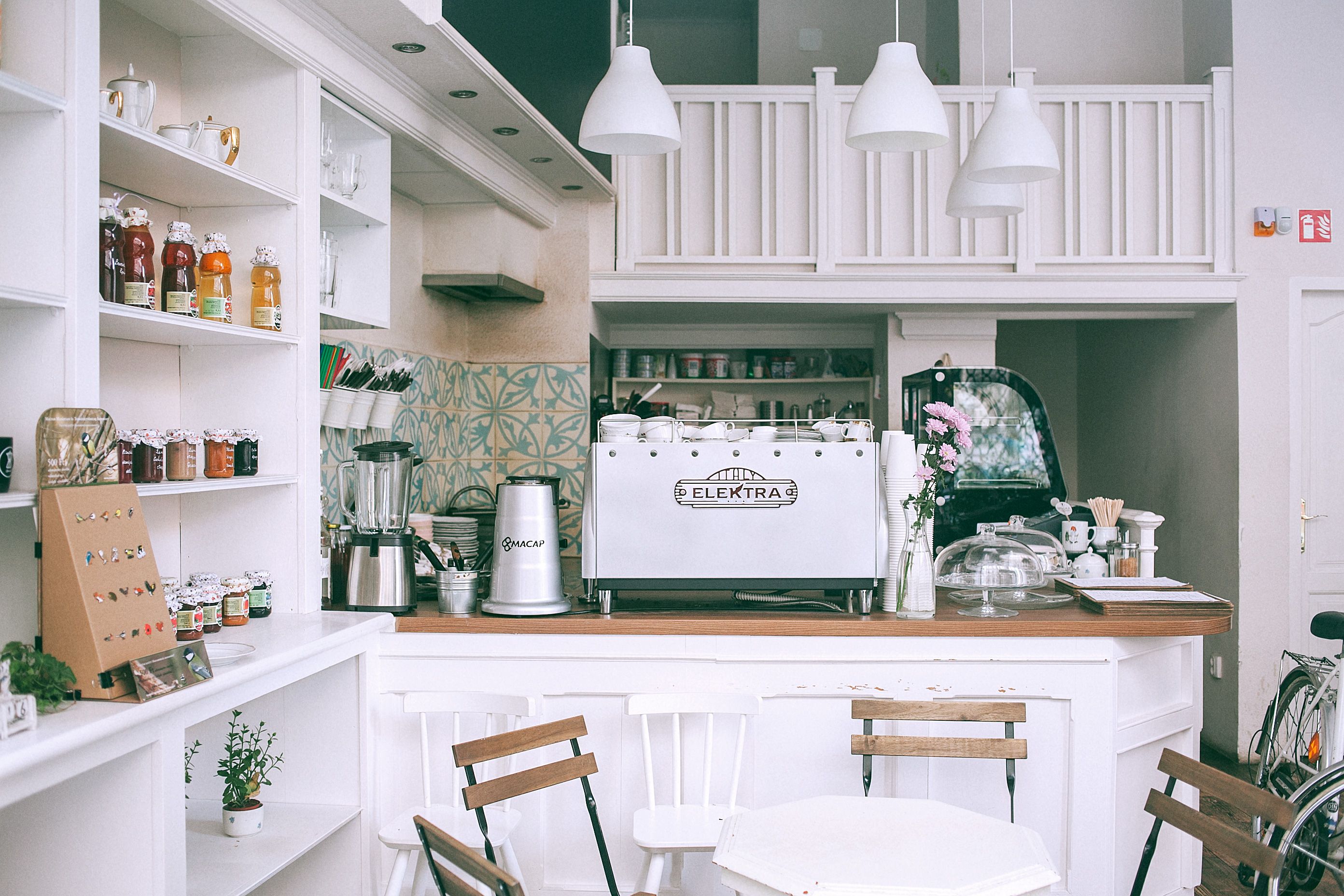
Melbourne's coffee culture isn't a marketing line, it's the reason the flat white exists in its modern form. The drink emerged from shared Melbourne-Sydney-Wellington-Auckland barista culture around the 1980s, and the version served in Melbourne today stabilized close to 1990 — a tight espresso-to-milk ratio with a thin layer of microfoam, harder to pull consistently than a standard latte, which is part of why Melbourne baristas built a reputation as genuine professionals rather than machine operators. The city leaned hard into independent cafes over chains through the 1990s and 2000s, and that pattern still defines the scene: there's essentially no equivalent of a dominant coffee chain in the city's actual culture, just a dense, competitive layer of independent roasters and cafes.
Patricia Coffee Brewers, tucked into a laneway off Little Bourke Street, is a standing-room-only espresso bar that's become one of the CBD's most consistently well-reviewed coffee stops — no seats, no food menu to speak of, just genuinely good coffee served fast to people on their way somewhere else, which is as Melbourne a format as the drink itself. See live rating and reviews on Google Maps
Bench Coffee Co runs a Little Collins Street espresso bar alongside its Brunswick roastery, and it's a real option if your day starts or ends in the CBD near Melbourne Park — solid, well-reviewed coffee without needing to leave the walkable center. See live rating and reviews on Google Maps
Industry Beans in Fitzroy is a roaster-cafe that moved into a larger, light-filled warehouse space and built a reputation on inventive signature drinks alongside its own-roasted beans — worth the short trip north of the CBD if you have a free morning and want a proper sit-down cafe experience rather than a quick stand-up espresso. See live rating and reviews on Google Maps
None of these require a special trip during the tournament — Patricia and Bench both sit within easy walking distance of the CBD-to-Melbourne Park corridor, and Industry Beans is a short tram ride into Fitzroy if you're building a fuller day around it.
The wider context matters too: Melbourne's shift toward specialty coffee accelerated through the late 1990s and 2000s specifically as a move away from chain cafes, and that pattern has held. There's no dominant national coffee chain woven into daily Melbourne life the way there is in most major cities — the market stayed genuinely fragmented across thousands of small independent operators, which is part of why quality stayed high and consistent rather than getting diluted by scale. That's a real structural reason Melbourne's coffee reputation has held up for decades rather than being a passing trend.
Why it's special
I think the flat white detail is the whole argument for taking Melbourne's coffee culture seriously rather than treating it as generic city color: this is a drink Melbourne baristas built and exported to the entire world, and the standard for pulling one properly is still set here. That's a real, specific claim to civic pride, not vague "great coffee scene" copy. What I like about pairing this with a tennis trip specifically is the contrast — you go from a loud, festival-scale sporting event to a laneway espresso bar with standing room only and total, practiced quiet, sometimes within the same twenty minutes. Melbourne's cafe culture rewards actually seeking it out rather than grabbing whatever's closest to the gate, and the reward is a genuinely different, much smaller-scale kind of expertise than anything happening on Rod Laver Arena that same day.
Insider tips
- 1
Melbourne has roughly 3,000 cafes, and there's no dominant national chain woven into daily life the way there is in most major cities — a genuinely fragmented, independent market that's part of why quality has held for decades rather than fading as a trend.
- 2
The flat white's origin is a real, unresolved rivalry — Sydney's Moors Espresso Bar was serving one under that name by 1985, while Wellington baristas claim a 1989 invention; Melbourne didn't invent the drink, it perfected and popularized the version now served worldwide.
- 3
For a laneway spot beyond the well-known names, Little Rogue on Drewery Lane (look for the blue door, easy to miss) and Dukes Coffee Roasters inside Ross House on Flinders Lane are both real local favorites worth the detour if you've already done the obvious CBD stops.
Practical info
- Hours
- Most Melbourne cafes open early, roughly 6:30-7am, and close mid-afternoon, generally 3-4pm — few operate as evening venues, so plan coffee stops for morning or early afternoon
- Cost
- A flat white or standard espresso drink typically runs AU$4.50-6 across these venues, in line with general Melbourne CBD cafe pricing
- Access
- No booking needed at any of these — all are walk-in, counter-service or small-table cafes with no reservation system.
- Book
Affiliate link — we may earn a small commission at no extra cost to you.
- Getting there
- Patricia Coffee Brewers and Bench Coffee Co are both within a short walk of Flinders Street Station on the CBD-to-Melbourne Park corridor. Industry Beans Fitzroy is a short tram ride north of the CBD via Brunswick Street or Smith Street tram routes, roughly 15-20 minutes from Flinders Street Station.
- Address
- Patricia Coffee Brewers: Rear of 493-495 Little Bourke St, Melbourne VIC 3000. Bench Coffee Co: 321 Little Collins St, Melbourne VIC 3000. Industry Beans: 70-76 Westgarth Street, Fitzroy VIC 3065.
- Website
- www.patriciacoffee.com.au
What to avoid
Don't order a flat white assuming it's just a small latte — the actual ratio and microfoam technique are specific, and a Melbourne barista pulling one properly is doing something genuinely different from a standard milky coffee, which is worth knowing before comparing it unfavorably to a coffee style from somewhere else. Avoid trying to fit Industry Beans into a rushed pre-match stop — it's a Fitzroy tram ride away from the CBD, not a corridor cafe, and treating it as a five-minute detour mostly turns into unnecessary travel time.