Two real, specific careers explain why Shanghai's crowds skew younger and older at the same time, watching the same sport for genuinely different reasons.
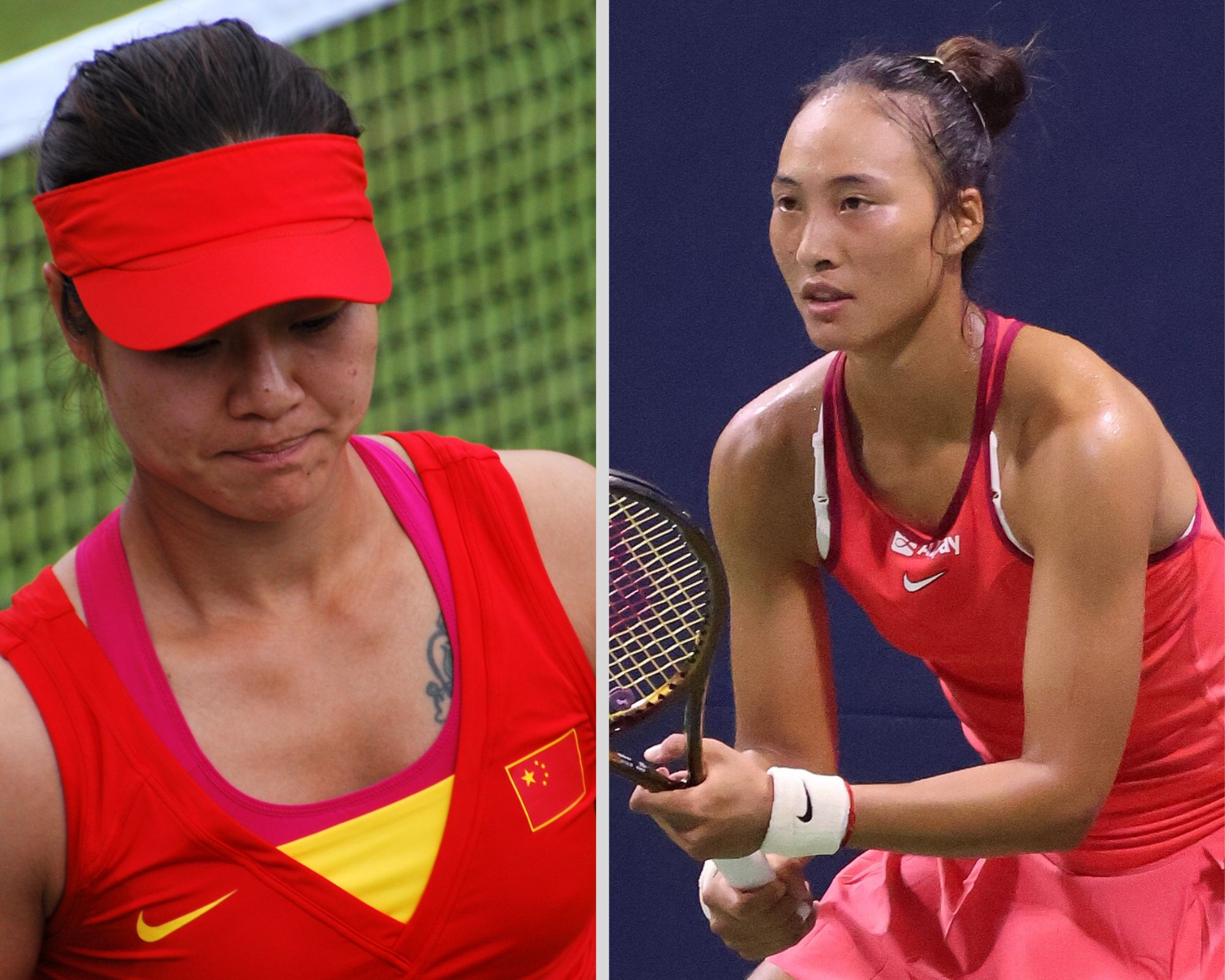
Li Na is the reason an entire older generation of Chinese fans started caring about tennis at all. On 4 June 2011, she beat Italy's Francesca Schiavone in straight sets to win the French Open — becoming the first Chinese national, man or woman, to win a Grand Slam singles title, and the first Asian-born player ever to do it. Along the way to that final she'd beaten three top-10 players, including former world No. 1 Maria Sharapova. She added a second major at the 2014 Australian Open, coming back from match point down in the final, then retired later that year. In 2019 she became the first Asian-born player inducted into the International Tennis Hall of Fame. Fans who watched that 2011 final live remember it the way American fans remember a first Olympic gold — it wasn't just a win, it was proof the sport had room for someone like them at the very top.
Zheng Qinwen is the reason a much younger generation is discovering the sport now, on their own terms. At the 2024 Paris Olympics, she won gold in women's singles — the first Asian tennis player, male or female, ever to win an Olympic singles gold — beating Croatia's Donna Vekić 6-2, 6-3 in the final. By June 2025 she'd climbed to a career-high world No. 4, becoming only the second Chinese player ever to crack the WTA top 5, after Li Na herself. She's since built a real resume beyond that one gold medal: an Australian Open final, a WTA Finals appearance, five career singles titles.
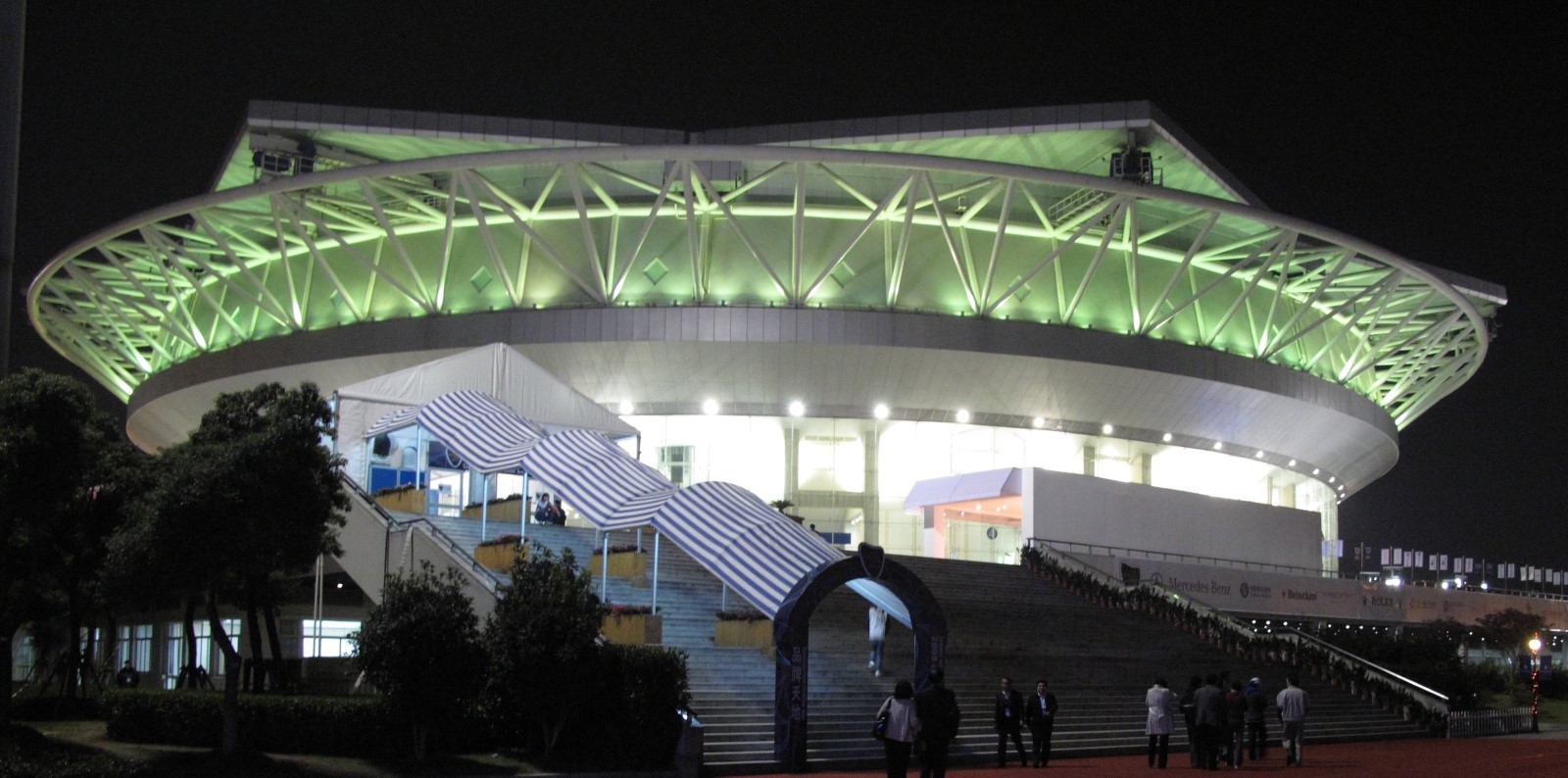
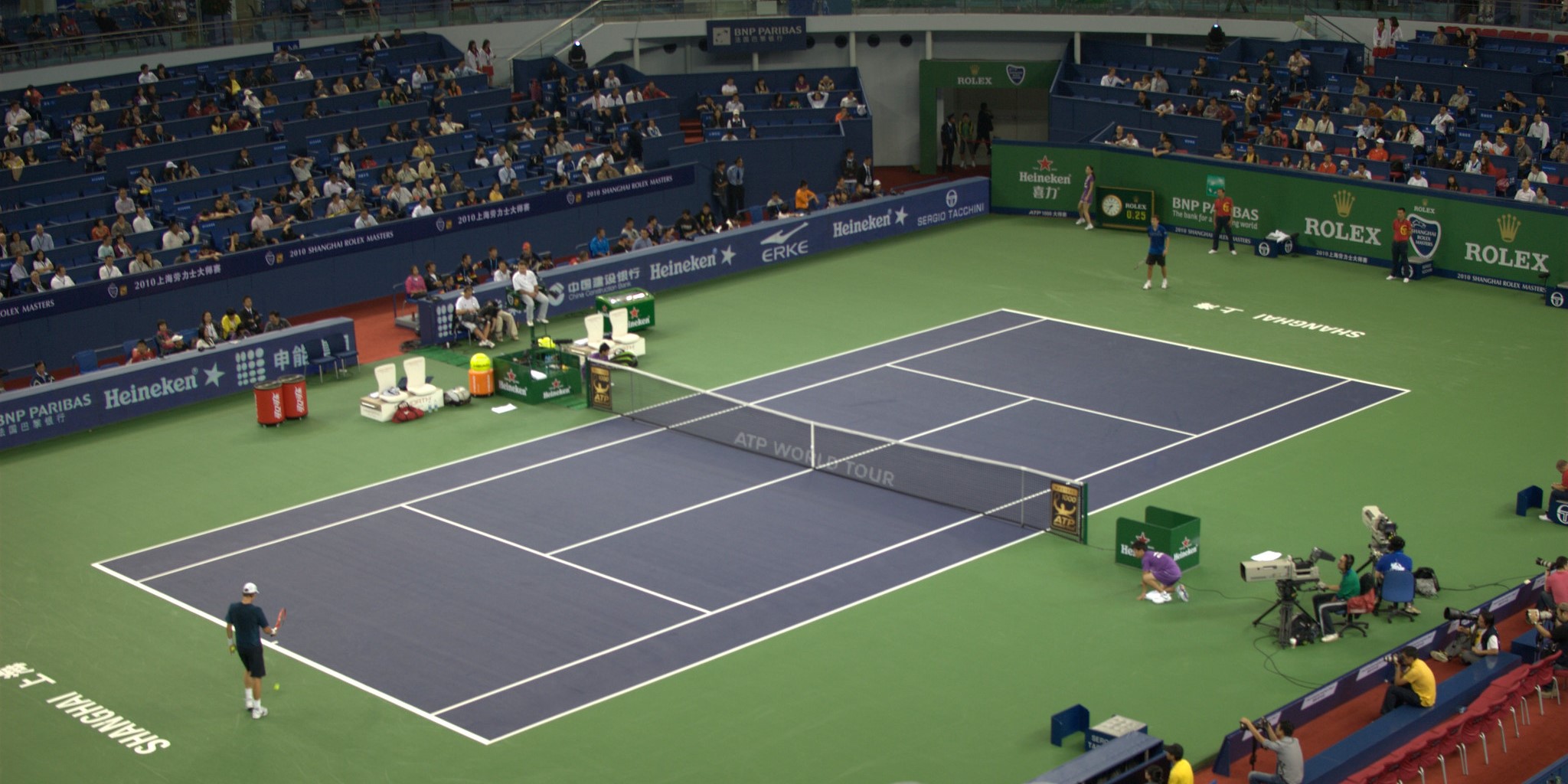
The two careers don't overlap by accident — Zheng has spoken directly about Li Na's influence on her own path into the sport, the same way a generation of young players anywhere cites the athlete who made their sport feel possible. Walk Qizhong's stands during any big Chinese-player match and you'll see both audiences in the same crowd: people who remember exactly where they were for the 2011 French Open final, and people whose first tennis memory is a gold medal from Paris.
Why it's special
Most "the crowd is passionate here" claims in sports content are vague atmosphere-setting. This one has two real, dated, named careers behind it — a 2011 Grand Slam breakthrough and a 2024 Olympic gold, thirteen years apart, both genuinely historic firsts for Chinese and Asian tennis. Understanding both stories is what turns "the crowd is loud" into "I understand exactly what two different generations of this crowd are here to see."