This is the one experience in the whole pack that has nothing to do with sport — because Shanghai is the first destination we've covered where the basic mechanics of a trip (getting in, paying for things, finding your way around) work differently enough from the UK, EU, US, or Australia that skipping it would leave a real gap.
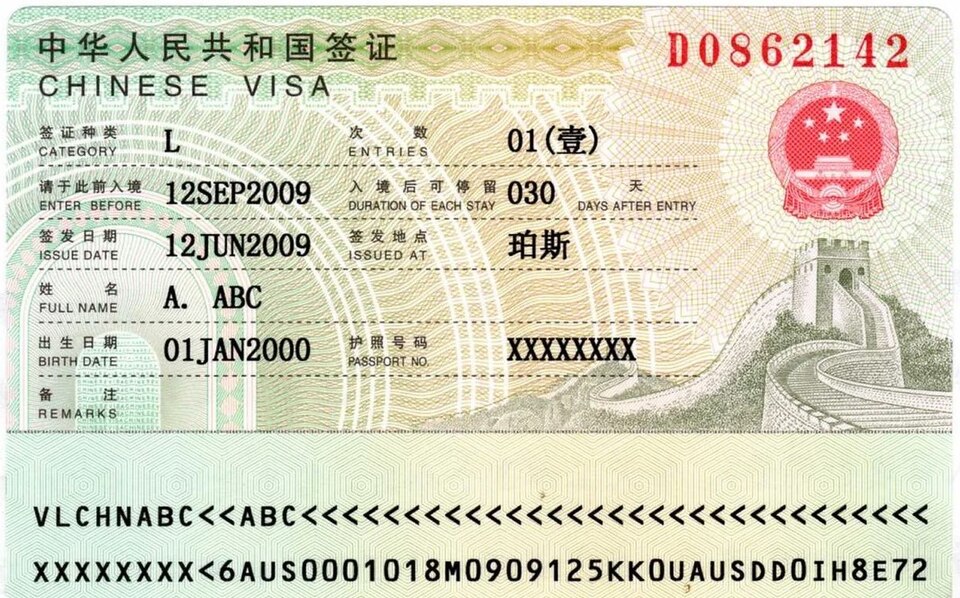
Visa first. China's unilateral visa-free entry policy currently covers ordinary passport holders from 50 countries (expanded from 45 in late 2025, with the UK and Canada added in February 2026) — most EU member states, the UK, and a growing list of others — for stays up to 30 days for tourism, extended through the end of 2026. Separately, a 240-hour (10-day) visa-free transit policy covers travellers from 54 eligible countries entering through any of 60 open ports, including Shanghai's own airports. Citizens of countries without a bilateral visa-free arrangement — the US among them — still need to apply for a tourist visa in advance. Check your specific nationality against the current list before booking anything; this genuinely determines whether you need to do anything at all, or need to start a visa application weeks out.
Maps: don't expect Google to work. Google Maps has been blocked in mainland China since 2010, and a VPN doesn't fix it — the underlying map data itself is wrong for China, not just inaccessible. Download Amap (Gaode Maps) before you land; it has the best English support of the local options, doesn't need a VPN, and actually has accurate data for restaurants, metro routes, and addresses that Google simply doesn't carry here. Baidu Maps is a reasonable backup with stronger data in smaller areas, though its interface stays more Chinese-heavy even in "English mode."
Payments: Alipay is the real answer, cash is the backup, not the other way round. As of the current policy, both Alipay and WeChat Pay let foreign visitors link an international Visa or Mastercard directly, with no Chinese bank account required — identity verification via passport photo takes a few minutes. Alipay has the more foreigner-friendly English interface and is the better starting point; add WeChat Pay as a backup since some smaller vendors default to it. Payments under ¥200 carry no service fee; larger ones carry a small percentage fee. For ATM cash, Bank of China and ICBC machines reliably accept foreign Visa/Mastercard with an English menu — a machine showing only the "银联" UnionPay logo may not take a foreign card, so look for the Visa/Mastercard logo specifically before queueing.
One more app worth knowing before you touch a metro gate: Metro Daduhui. This is Shanghai Shentong Metro Group's own QR-code app — separate from Alipay and WeChat Pay generally, it's what actually gets scanned at the gate for entry, exit, and line transfers, and it draws on Alipay or WeChat Pay (or a linked Mastercard/Diners Club via WeChat Pay's international-cards option) to pay. If you're doing more than a couple of metro trips, the Suishenxing (SH MaaS) app is worth the extra setup too — it bundles buses, ferries, and metro lines into one code, and sells 1-day, 3-day, and 7-day travel passes that a single-ride QR code doesn't offer. Both accept international cards; set either up alongside Alipay before you land, same reasoning as everything else in this guide.