Yas Marina's hospitality dining runs splurge-tier by design — this is the honest counterbalance, real, well-loved local spots in both cities where a genuinely good meal costs a fraction of anything near the circuit.
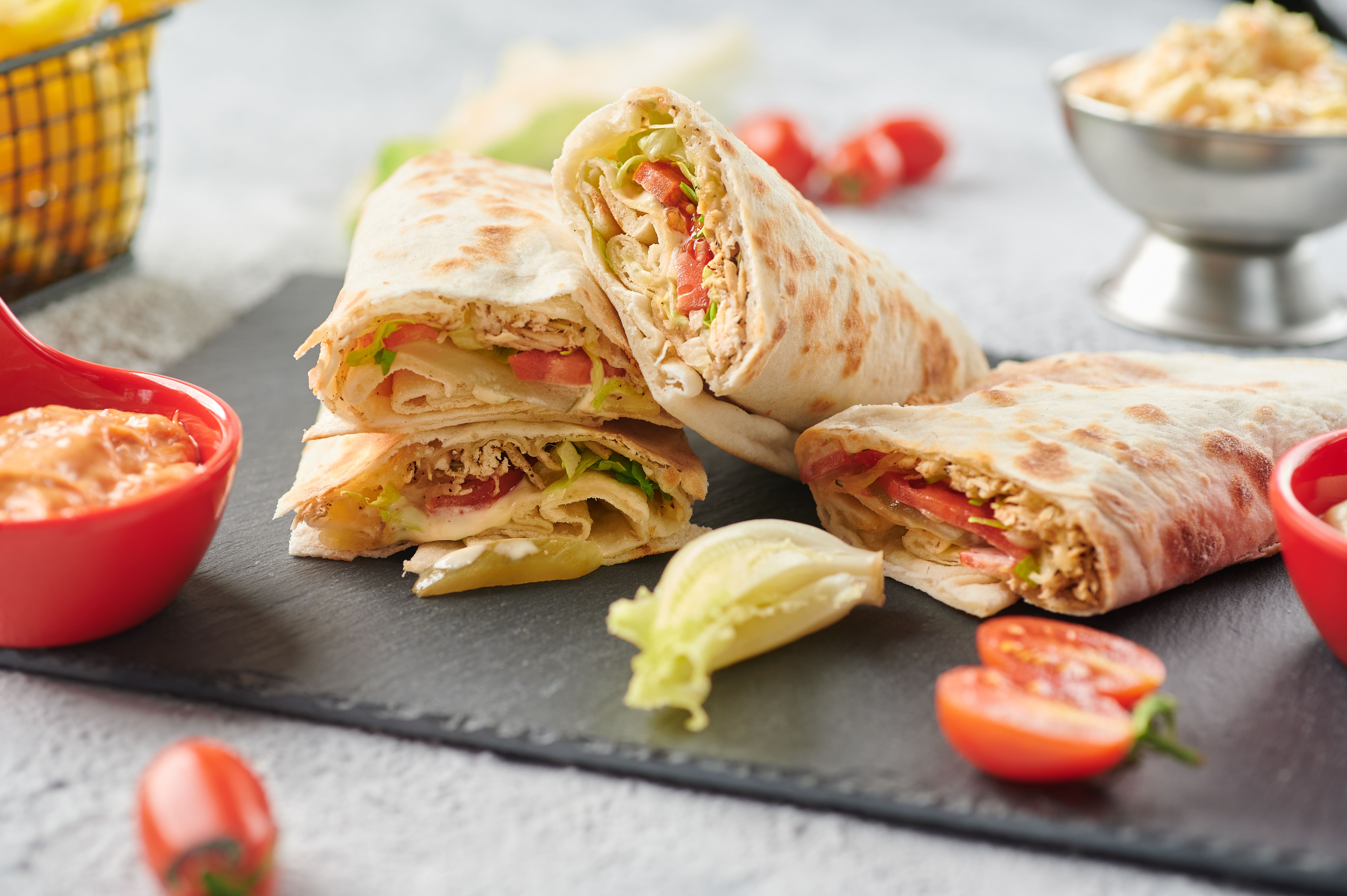
In Abu Dhabi, Bait El Khetyar on Najda Street is the standout: a Lebanese restaurant known for clean, simple, flavourful shawarma — chicken at roughly AED 10, beef at AED 11 — alongside stuffed falafel and manakeesh. It's not a hidden secret; it carries a genuinely strong Google rating of 4.4 from over 6,600 reviews, a real sign of consistency at a price point where consistency is easy to skip. See live rating and reviews on Google Maps Two people can eat well here for well under AED 150 total.
In Dubai, Al Mallah on Al Dhiyafah Street (near Satwa Roundabout) is the equivalent institution — Arabic and Lebanese staples, shawarma and falafel specifically singled out for their flavour, served from a genuinely lively outdoor setup that draws a real cross-section of the city rather than just tourists. It rates 4.0 from over 5,000 reviews — solid, and reflects a high-volume, high-turnover spot rather than a quiet fine-dining room. See live rating and reviews on Google Maps
A third Dubai institution is worth naming alongside Al Mallah: Al Ustad Special Kebab, running since 1978 out of Bur Dubai and now in its second generation, run by the founder's three sons. This is a Persian kebab house rather than an Arabic shawarma spot — the kebabs specifically are the draw, grilled over charcoal in full view, with the restaurant going through roughly 170kg of meat a day to keep up with demand. It's genuinely well known beyond just locals; the walls are lined with photos of celebrity and royal visitors over the decades, but the prices and the crowd stay resolutely everyday. It's open late, roughly 5:30pm to 3:30am, which makes it a real option after a late race-day evening rather than something you need to plan around dinner hours for, and it carries a strong Google rating of its own: 4.4 from over 13,300 reviews. See live rating and reviews on Google Maps
Beyond these three named standouts, karak chai — sweet, spiced milk tea — is worth calling out as its own genuine UAE street-food institution: found at small stalls and roadside stands across both cities, often the real old-school local experience more than any single named restaurant, typically costing next to nothing per cup.