Why Go
One of the Only Capital-City Grands Prix Left on the Calendar
Formula 1·2 min read·October 17, 2026
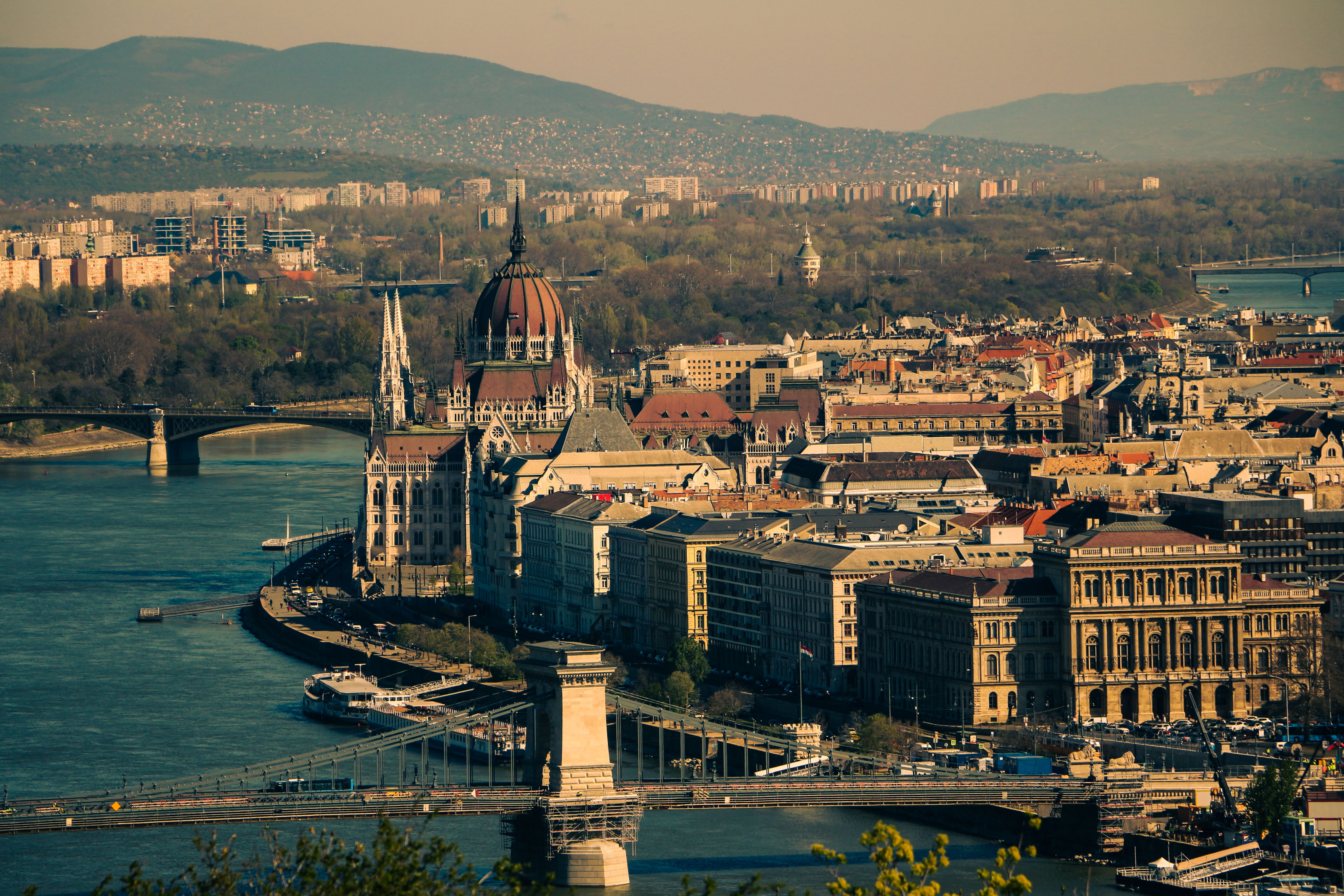
Representative Image
A capital city that's actually close enough to use
Most European Grands Prix force a choice: stay in the circuit's own small town, or commute in from a real city an hour or more away. Budapest doesn't. The Hungaroring sits around 20km — about 35 minutes — from the capital, close enough that most fans staying in Pest never need a car at all. The M2 metro line connects through to the HÉV suburban rail line that runs toward the circuit, and Budapest Card holders travel to the Hungaroring completely free.
Why that's rarer than it sounds
It's tempting to assume most European races work this way. Most don't. Spa-Francorchamps sits well over an hour from Brussels. Silverstone is a similar distance from London. Barcelona's circuit is close to Barcelona itself, but Barcelona isn't Spain's capital — Madrid is, and it's nowhere near. The genuine capital-adjacent races that do exist — Baku, Monaco — host the Grand Prix inside the capital itself, as a street circuit, which is a different experience entirely from basing yourself in a capital city and driving out to a permanent track.
That shortlist got shorter for 2026: Zandvoort, roughly 35-45 minutes from Amsterdam, announced 2026 would be its last Dutch Grand Prix for the foreseeable future, a casualty of hosting costs a privately-run circuit couldn't keep recovering. Budapest's combination of a real capital-city base and a short, public-transport-friendly run to a permanent circuit is now one of the few of its kind left on the F1 calendar.
What that actually buys a fan
In practice, it means a trip built around Budapest doesn't require choosing between the race and the city. Thermal baths, the Danube, a genuine old-town restaurant scene — all of it stays reachable on the same trip, without a satellite hotel base an hour outside town eating into race-weekend time. Few Grands Prix left on the calendar let you plan the trip that way.