History
F1's First Race Behind the Iron Curtain
Formula 1·2 min read·October 17, 2026
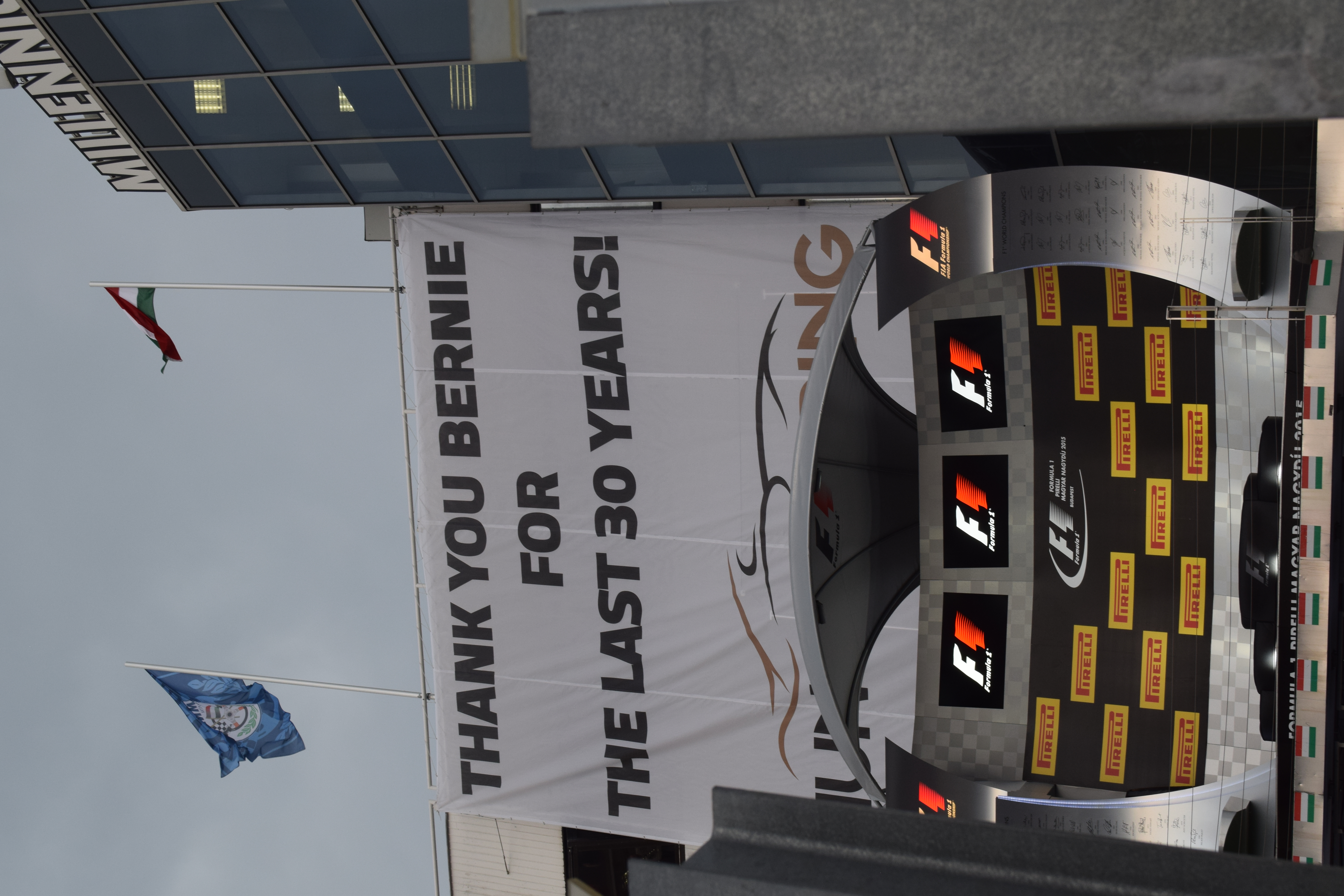
Conradder, CC BY 4.0
A race nobody expected to happen here
Bernie Ecclestone's first instinct, in the early 1980s, was to put a Formula One race inside the USSR itself. A Hungarian friend talked him toward Budapest instead, and the Hungarian government formed a consortium to negotiate directly with Ecclestone — with FISA's approval — signing a five-year hosting contract. Construction on the Hungaroring began on 1 October 1985 and the circuit was finished in eight months, in time for a race the following August. It was the first Hungarian Grand Prix since 1936, and the first Formula One race ever held behind the Iron Curtain.
200,000 people who'd never seen an F1 car move
On 10 August 1986, an estimated 200,000 people turned up — many bussed in from across the Eastern Bloc, for a sport most had only read about. The figure stood as a Formula One attendance record for almost a decade, until 210,000 showed up to the 1995 Australian Grand Prix. Soviet tank crews stationed on the surrounding hillside reportedly came to watch too, though they were never counted in the official number.
A genuine fight for the win
The race itself lived up to the occasion. Nelson Piquet, in a Williams-Honda, won after a sustained battle with Ayrton Senna's Lotus-Renault, with Nigel Mansell's Williams-Honda third. It wasn't a procession laid on for a curious new audience — it was a real contest, on a brand-new circuit nobody on the grid had raced before.
What it actually proved
The Hungaroring's first race answered a question F1 hadn't really had to ask before: whether the sport could work somewhere with no existing motorsport culture, built from nothing in under a year, for an audience that had never been allowed to see it live. The crowd size answered it emphatically, and the race has run at the Hungaroring every year since.