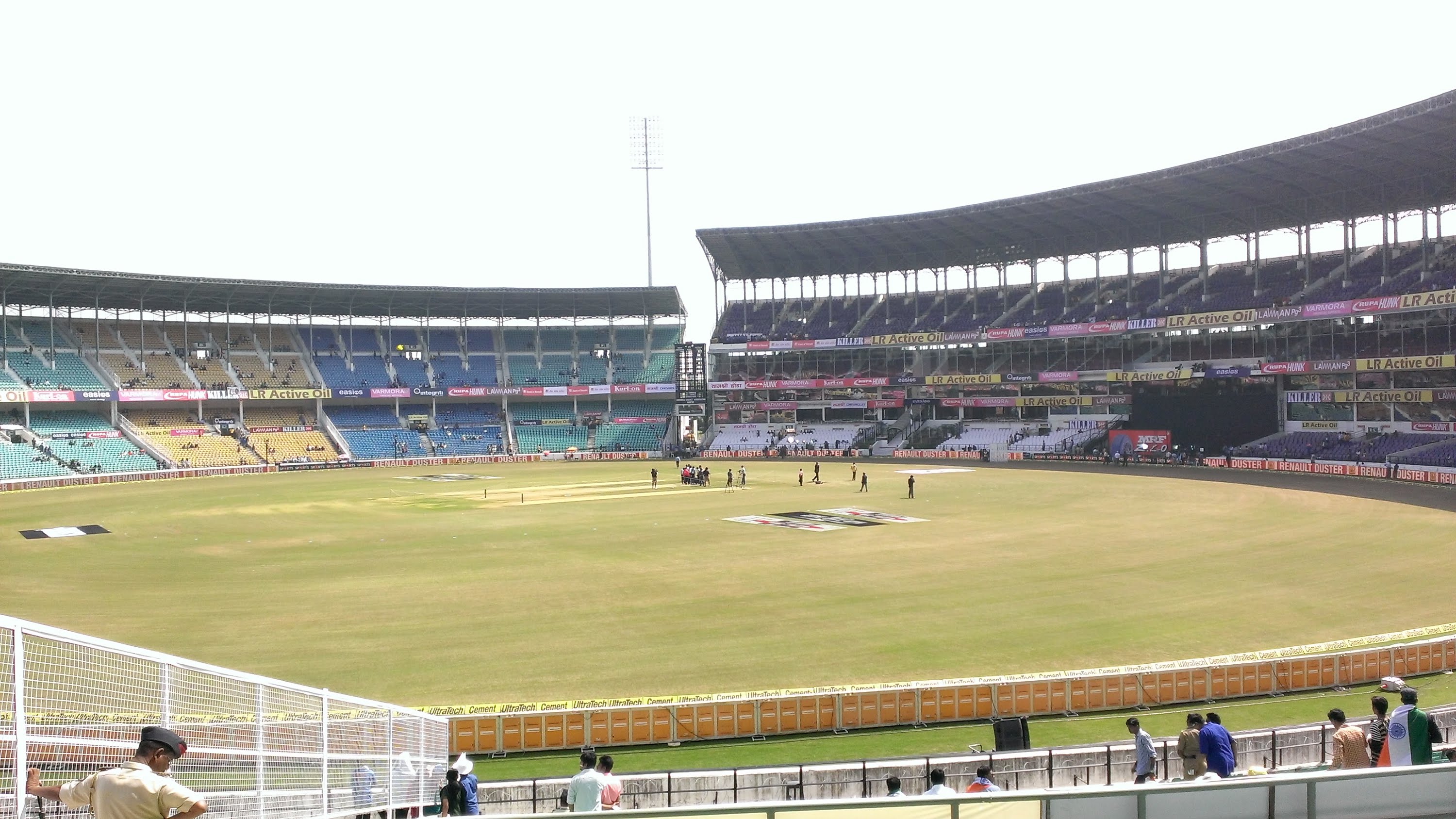
The Vidarbha Cricket Association Stadium sits about 15km south of central Nagpur in Jamtha, out past the Wardha Road, and it doesn't try to hide that it's a working ground rather than a heritage one. It opened in 2008, seats 45,000, and by field area is the second-largest cricket venue in the country. There's no old pavilion to admire here, no century of history soaked into the stands. What you get instead is a red-soil pitch with a genuine personality, and that turns out to matter more.
Day one at Jamtha tends to play true and even a little slow, the kind of surface that rewards patient batting. By the second session of day two, spin starts to grip. Day three is when it actually decides matches. Australia found this out the hard way in 2008, the only other time these two sides met here: Jason Krejza took 8 for 215 on Test debut, then added four more in the second innings for a 12-wicket match haul, and Australia still lost by 172 runs. It's one of the stranger stat lines in Test cricket, a bowler destroys the opposition and his own team collapses anyway.
The more recent form book is even more lopsided. When India hosted Australia here in 2023, the match was over inside three days, India winning by an innings and 132 runs after the pitch offered sharp turn from day two onward. India's spinners took 85% of the wickets in that game. The ICC rated the surface "below average" afterward, which tells you plenty about how the pitch played and nothing about how one-sided the cricket actually was.
None of that guarantees anything for January 2027. Pitches get relaid, groundstaff change their preparation, and Australia will arrive better prepared for turn than they were in either of the last two visits. But Nagpur opening a five-Test series carries its own weight regardless of who wins. First Tests set a tone the rest of the tour either confirms or fights against, and this ground has a habit of deciding things early rather than letting them build.
Away from the cricket, Jamtha is fairly bare, a stadium precinct rather than a neighbourhood, with the food court and parking lots doing most of the work outside the gates. The stadium itself runs on solar power and has decent sightlines from most tiers. Reviewers consistently rate the crowd management and facilities well, though a few flag that queues for food and toilets back up once a session gets underway. It's a modern, purpose-built arena rather than a characterful one. The pitch is the character.
Why it's special
Nagpur isn't a cricket-tourism destination the way Chennai or Ahmedabad are. There's no century-old pavilion, no obvious city-wide reason to linger beyond the Test itself. What makes VCA worth building a trip around is narrower and, I'd argue, more honest: this specific pitch has decided two of India's last two home Tests against Australia inside three days, and it's opening a five-match series both boards are treating as the biggest contest in the format right now. You're not watching a ground with history so much as watching one that keeps making it. If the surface plays anything like 2023, day three here won't just be good cricket, it'll likely be the day someone's tour report starts going wrong. That's a specific, verifiable reason to be in the stands, not an atmospheric one.