Austin's F1 weekend brings arena headliners to the Germania Insurance Super Stage, but that's a recent layer on top of something the city built its actual reputation on decades earlier. Austin was officially named the "Live Music Capital of the World" in 1991, a title backed by hundreds of nightclubs, bars, and venues across the city presenting live music on a regular basis — not a marketing slogan, a description of genuine, sustained scale.
The scene's real roots go back further. Armadillo World Headquarters, through the 1970s, became the home base for Willie Nelson after he left Nashville specifically to make music the way he wanted, helping establish Austin's identity as a place serious musicians actually chose over the traditional industry centers. Around the same time, Clifford Antone opened the blues club that gave rise to Stevie Ray Vaughan, the Fabulous Thunderbirds, and a generation of blues talent that came out of Austin rather than Chicago or Memphis.
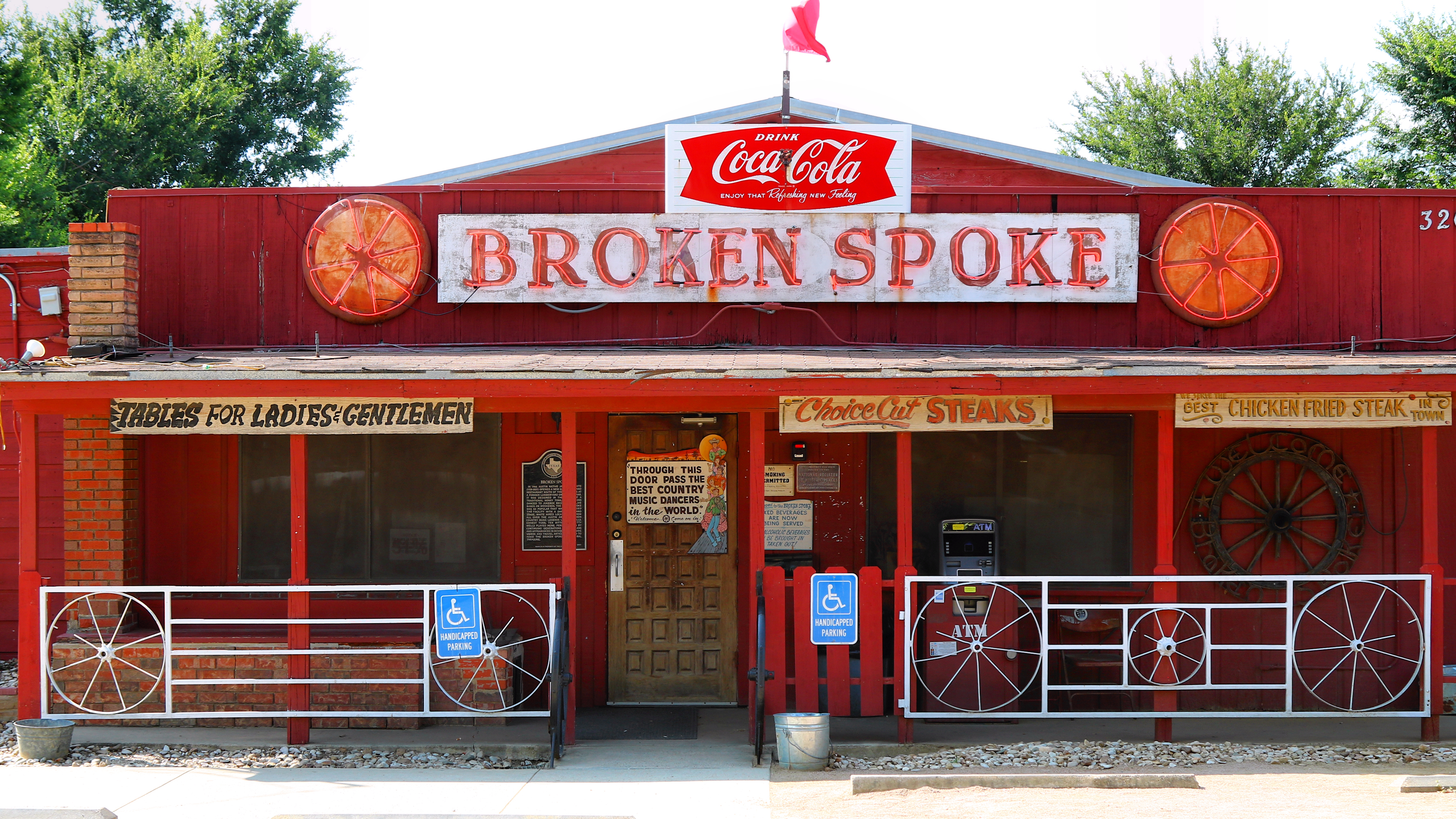
Two venues from that era are still open and still worth a visit today. The Continental Club, opened in 1955 as a private supper club before becoming the dive-bar live-music venue it's known as now, holds a real 4.6 rating from over 2,300 reviews. See live rating and reviews on Google Maps. The Broken Spoke, opened in 1964 by James and Annetta White, is one of the city's longest-standing country music venues and has hosted genuine legends over the decades — Dolly Parton, George Strait, Willie Nelson himself. See live rating and reviews on Google Maps.
For something more current, Antone's continues under the same blues-focused identity across its various relocations over the years, and downtown venues like The Parish (a genuinely striking room with gothic chandeliers) and multi-stage spots like Mohawk and Empire Control Room and Garage cover rock, indie, and punk for a younger, more current crowd. None of this requires the arena scale of a Maroon 5 or Post Malone set — these are rooms holding a few hundred people at most, where the performer-audience distance most big shows can't offer is the entire point.
Why it's special