The first thing you notice on a practice day is how much space there is. The same course that holds 30,000 people on a Saturday feels like a private club on Monday or Tuesday. You can stand at the 6th tee box as Rory McIlroy works through his irons. You can walk straight to the 18th grandstand and sit wherever you like. Nobody is crushing in behind you at the ropes.
This is what practice days are for. Not the competition, not the scoreboard — the access.
The Open 2026 has four practice days at Royal Birkdale, each with a distinct character. Sunday 12 July is a soft opening — gates come up, the course opens for exploration, and the Spectator Village begins trading, with Wimbledon men's final and Scottish Open broadcasts running simultaneously on the big screens. It is the quietest of the four days, the one for people who want the full course to themselves before the players have even arrived.
Monday 13 July is the Last-Chance Qualifier: a 12-player strokeplay competition for the final Open spot. These are not household names, but the stakes are everything — a chance to play in the most historic major in golf, gone if you bogey the 18th. The format makes for a particular kind of intensity that you will not find during the championship rounds. Stand on any hole and the players are grinding in a way that the established field rarely lets you see.
Tuesday 14 July is the busiest practice day and the one to choose if you want maximum player access. The full 156-man field is present, working through their pre-championship routines on the course. This is also the day of the Heroes Classic — past Champion Golfers and invited guests playing a short-format challenge on the links. Watching a former Open champion play a fun-format game, relaxed and unguarded, is a different kind of golf from anything you will see during the tournament.
Wednesday 15 July is The Eve — the last practice session before the championship begins Thursday morning. Players are tighter, focused, working specific holes and specific shots. The mood shifts. There is less of the loose warmth of Monday and Tuesday; what you get instead is a glimpse of concentration, of competitors mentally settling into the course.
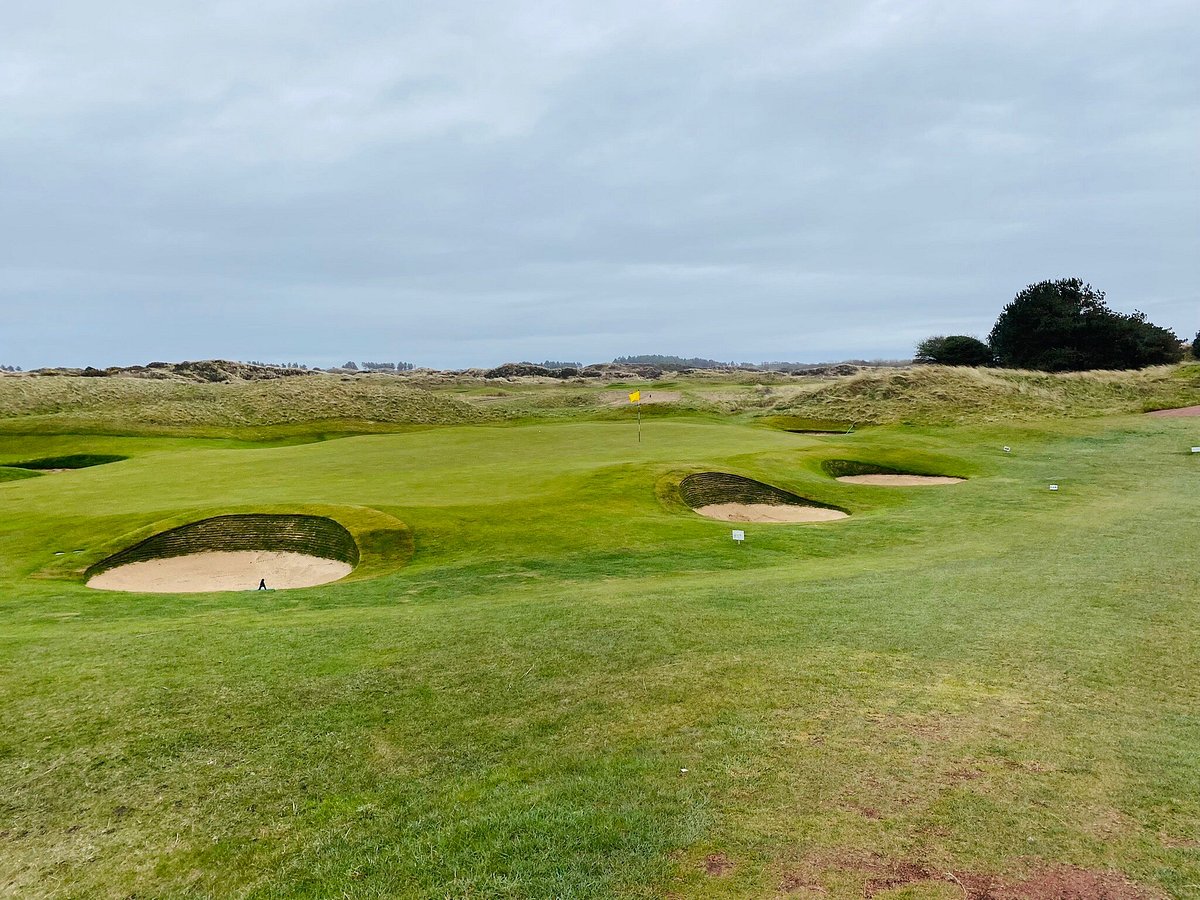
Royal Birkdale itself rewards the walking. The course runs north through the sandhills and back south, with each hole sitting in its own corridor of rough and dune — a design that gives the layout its famous fairness (there are very few blind shots at Birkdale) but also means that every hole feels self-contained. On a practice day you can walk the full 18 in roughly three hours, lingering where you want, doubling back to watch a group finish a hole you enjoyed, without being swept along by the crowd.