Royal Birkdale Golf Club — Play the Open Course
One of a handful of Open Championship venues that lets visitors play — Mon, Wed, Thu, £495pp, handicap cert required.
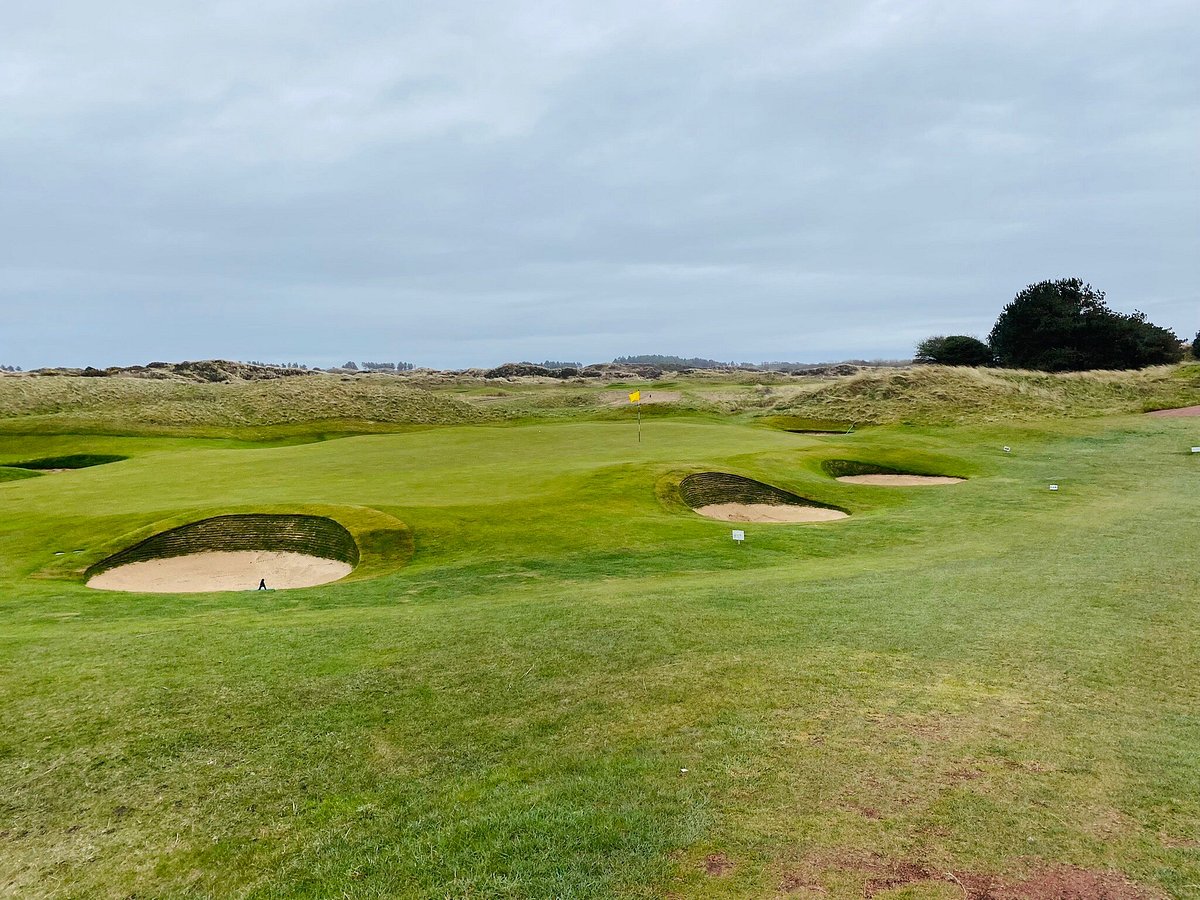
Royal Birkdale doesn't do much marketing. It doesn't need to. The club has hosted The Open Championship ten times — 1954, 1961, 1965, 1971, 1976, 1983, 1991, 1998, 2008, 2017 — and the course still looks exactly like a course that should host The Open. Willow scrub rough. Dunes visible from every hole. Fairways that sit in valleys between the sand hills rather than climbing over them, which is what gives Birkdale its particular character among links courses: the views are contained, each hole its own small world.
Visitor tee times are available on Mondays, Wednesdays, and Thursdays from March through October, with the course closed from late June through late July for the 2026 Open. Peak green fee is £495 per person from May onwards. That is a significant sum. Whether it's worth it depends entirely on how seriously you take your golf — this is not a casual round or a casual layout.
A handicap certificate is required. Men need a maximum of 24, women 36. The club takes this seriously.
Caddies are available and worth the advance call. A single bag caddie costs £80 plus tip, paid in cash on the day. Forecaddies — one person carrying course knowledge for the whole group — cost £100 to £140 plus tip depending on group size. On a course where the wind shifts direction on almost every hole and the willow scrub is unforgiving, a caddie who knows where the ball goes when you miss left on the 12th is not a luxury. Book one when you book your tee time; they fill quickly on peak days.
The dress code is what you'd expect from a club founded in 1889: collared shirt tucked in, dimple-soled golf shoes, no jeans or round-neck T-shirts on the course. Golf shoes don't go in the main clubhouse lounge — use the Spike Bar.
If you want something more structured than a straight visitor round, the Birkdale Open Experience runs on Wednesdays from May through September and costs £565 per person. That gets you a meet-and-greet with staff, a gift pack from the club professional, a photograph with a replica Claret Jug, 18 holes, and a two-course bistro meal afterwards. In an Open year, with the course set up specifically for tournament configuration, the framing is more meaningful than usual.
There's also the Birkdale Ballot, worth knowing about for groups. The ballot offers fourballs at £396 — under £100 per player — but requires every player to hold an active WHS handicap and membership at a recognised club in England, Scotland, Wales, or Ireland. If your group qualifies, this is the best-value way onto the course.
The course itself: 18 holes, par 70, 7,156 yards from the championship tees. No two consecutive holes play in the same direction, which means the wind changes with every tee shot. The dunes frame the holes rather than border them, so errant shots disappear rather than bounce back. The willow scrub rough is the most distinctive feature — it looks like decorative planting until you're in it.
Allow four hours minimum, more likely four and a half. Buggies are restricted; trolleys are permitted. The club is a 15-minute walk from Birkdale station on the Merseyrail Northern Line from Liverpool Central.
Why it's special
Most golf courses have a version of this pitch: historic, challenging, beautiful. Royal Birkdale doesn't need the pitch. It has the record.
Ten Open Championships. The 1961 Open, where Arnold Palmer played through a gale that shredded the course for everyone else. 1976, when Johnny Miller shot a 66 in the final round. 1998, Mark O'Meara's winning putt. 2008, Padraig Harrington defending his title. 2017, Jordan Spieth's astonishing birdie-birdie-birdie finish when the tournament looked gone. The list doesn't need embellishment.
What I find interesting about playing Royal Birkdale as a visitor is that the course doesn't perform greatness for you. There's no introductory shot from a hilltop, no moment designed to make you feel like you've arrived somewhere special. It is immediately and matter-of-factly a golf course — fairways in valleys, dunes on every side, wind coming from wherever it feels like. The course trusts you to understand what you're standing on.
The willow scrub rough is a genuinely unusual feature. It's specific to this stretch of Lancashire coastline, and it changes the character of the course in a way that conventional rough doesn't. Miss a fairway badly enough and the ball simply isn't coming back. You have to shape shots around it, play with it in mind from the tee. It makes you think differently than most courses do.
The Birkdale Open Experience package — the Claret Jug photo, the gift pack, the meal — sounds like a tourist veneer on top of a serious course. But in an Open year, it's actually well-pitched. The course will have been set up for tournament play. The staff who host the package know what you're there for. It's worth considering if you're coming specifically for the 2026 Open and want the day structured.
Insider tips
- 1
Book your caddie at the same time you book your tee time — single bag caddie is £80 cash plus tip, forecaddie (one person for the group) is £100–£140 plus tip, and peak Wednesday slots fill fast; calling 01704 552020 is quicker than waiting for the online system to show availability.
- 2
The Birkdale Ballot offers fourballs at £396 total (under £100 per person) but requires every player in your group to hold an active WHS handicap and membership at a recognised GB&I club — watch royalbirkdale.com/visitors/ from January for the ballot opening date, as it is not prominently advertised.
Practical info
- Hours
- Visitor rounds Mon, Wed, Thu; gates close at dusk. Course closed 22 Jun – 26 Jul 2026 (Open Championship).
- Cost
- £495pp (May–Oct); £450pp (Mar–Apr). Birkdale Open Experience: £565pp (Wednesdays, May–Sept). Birkdale Ballot fourballs: £396 total (under £100pp, WHS handicap holders only).
- Access
- Book 3–6 months in advance for a standard visitor round in peak season (May–October); demand in 2026 is higher than usual given the Open returns to the course. If your target is a round on the specific tournament setup, aim for the fortnight before the closure date (June 22) — the course will be in its best condition as final preparations begin, and visitor slots in early June can still be available 8–12 weeks out. Email [email protected] directly for groups of 8 or more; group bookings require 50% deposit upfront with full payment on arrival. The Birkdale Open Experience (Wednesdays only, May–Sept, £565pp) is the most structured option and includes course access, a caddie briefing, a Claret Jug photograph, and a two-course meal — book via the same phone line or email. The Birkdale Ballot (fourballs at £396, under £100pp) is draw-based and limited to WHS handicap holders at recognised clubs — the ballot opening date is not publicly advertised in advance, so subscribe to the Royal Birkdale newsletter or check royalbirkdale.com/visitors/ regularly from January. Caddies should be booked at the same time as your tee time; they are not guaranteed walk-up on peak Wednesdays and Thursdays.
- Getting there
- Take Merseyrail Northern Line from Liverpool Central to Birkdale station (approx. 40 minutes). The clubhouse is a 15-minute walk from the station. Driving: follow signs to Waterloo Road, Southport PR8 2LX; limited parking available on-site.
- Address
- Royal Birkdale Golf Club, Waterloo Road, Southport, PR8 2LX
- Website
- royalbirkdale.com/visitors/
What to avoid
Don't show up without a handicap certificate — men need a maximum of 24, women 36, and the club will check. Print your EGA/CDH card or bring your club membership card with handicap index; a screenshot of your app may not be accepted. Don't attempt to walk the course from the dunes during The Open week and then play it as if you know it — the willow scrub rough looks contained from the fairways but is effectively a ball-swallowing trap, and reading it from spectating is not the same as knowing when and where to lay up on a links where no two holes play the same direction.