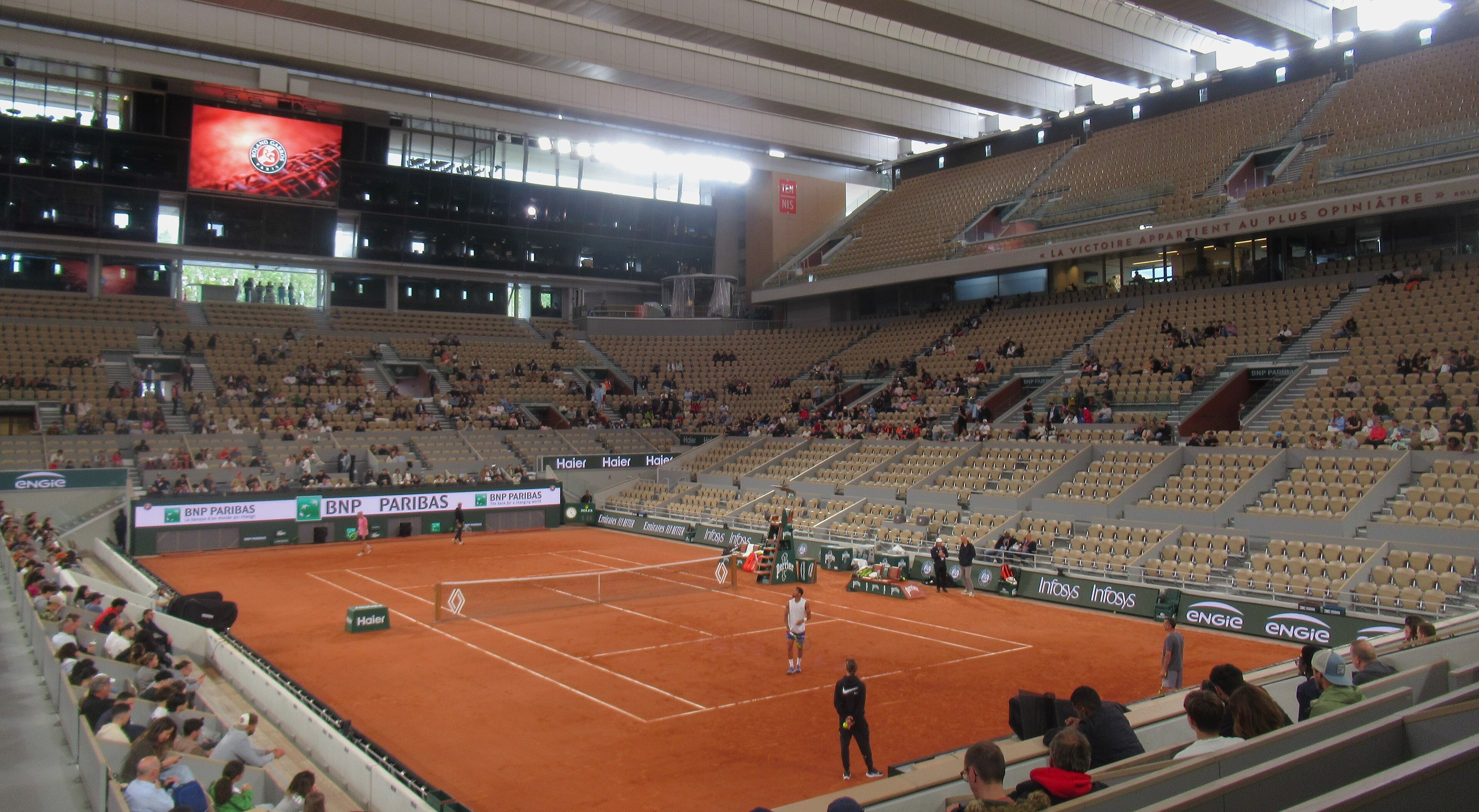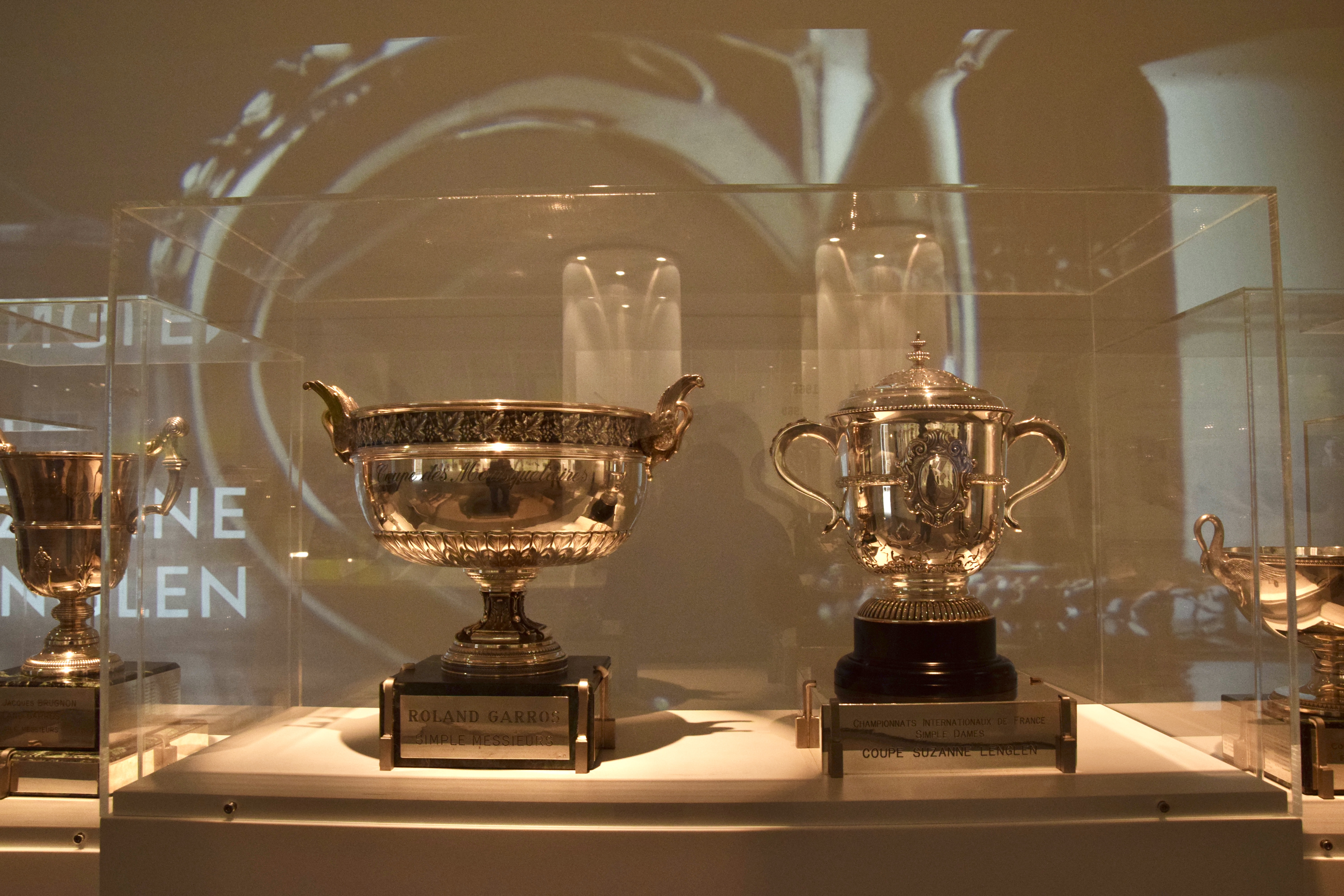
Roland-Garros sits in a quiet, wealthy corner of the 16th arrondissement. Montmartre, on the north side of the city entirely, is its deliberate opposite: a steep hilltop village of a neighborhood that spent the Belle Époque as the actual working studio of modern art, and still trades on that history today. Modigliani, Monet, Degas, Toulouse-Lautrec, Picasso and Van Gogh all had studios here; the streets that inspired Renoir and Piaf are largely the same ones you walk today.
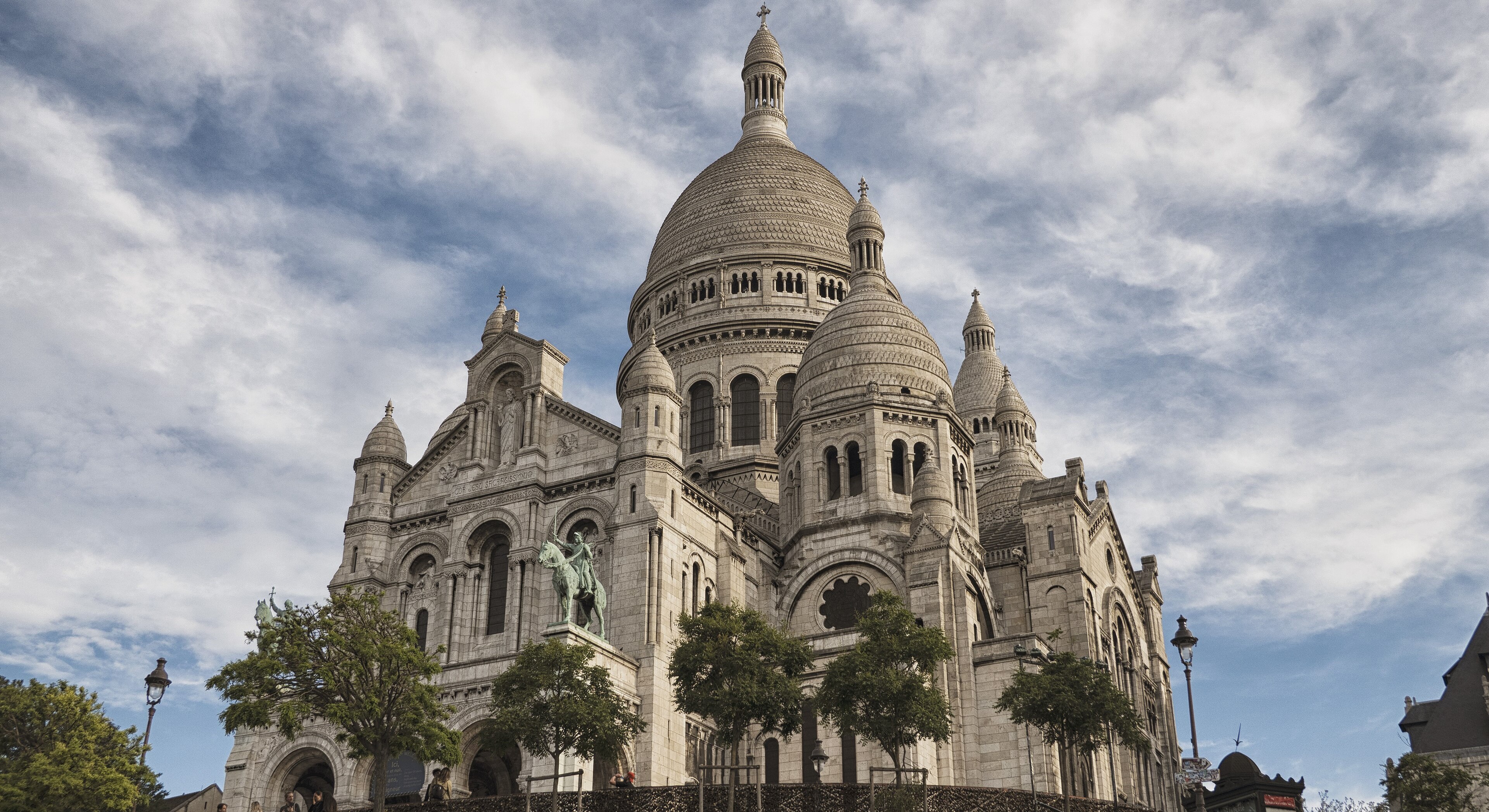
Sacré-Cœur Basilica is the hill's obvious anchor: a blinding-white church visible from much of Paris, free to enter, with steps out front offering one of the city's best panoramic views. Climb the dome's 292 steps for a higher, more complete view if the crowds on the front steps don't already satisfy. It's genuinely one of the most-reviewed landmarks in the city — nearly 168,000 Google reviews at a 4.7 average, a level of consistent praise that few attractions anywhere sustain at that volume. See live rating and reviews on Google Maps
A few streets away, Place du Tertre keeps the artist-colony identity alive literally: working artists set up easels here daily, offering portraits and caricatures on the spot, a direct descendant of the square's role as the actual meeting point for Montmartre's Belle Époque painters. It's touristy in the way any famous square with this much foot traffic inevitably becomes, but the practice itself, artists working live in a public square, is a genuine continuation rather than a staged recreation. See live rating and reviews on Google Maps
Beyond the two headline stops, Montmartre rewards wandering: Moulin de la Galette, the historic windmill Renoir painted directly, still stands; the city's only working vineyard sits tucked into the hillside; and the streets themselves, steep, cobbled, lined with ivy and shutters, look almost nothing like the wide Haussmannian boulevards that define most of central Paris.
Why it's special
The 16th arrondissement, where Roland-Garros sits, is elegant, quiet, residential — genuinely lovely, but not where Paris's creative history actually happened. Montmartre is. Pairing a morning at the tournament with an afternoon on this hill gives a Roland-Garros trip two entirely different registers of Paris in the same day: the tournament's institutional grandeur, then a neighborhood built by painters who mostly couldn't afford institutional anything.