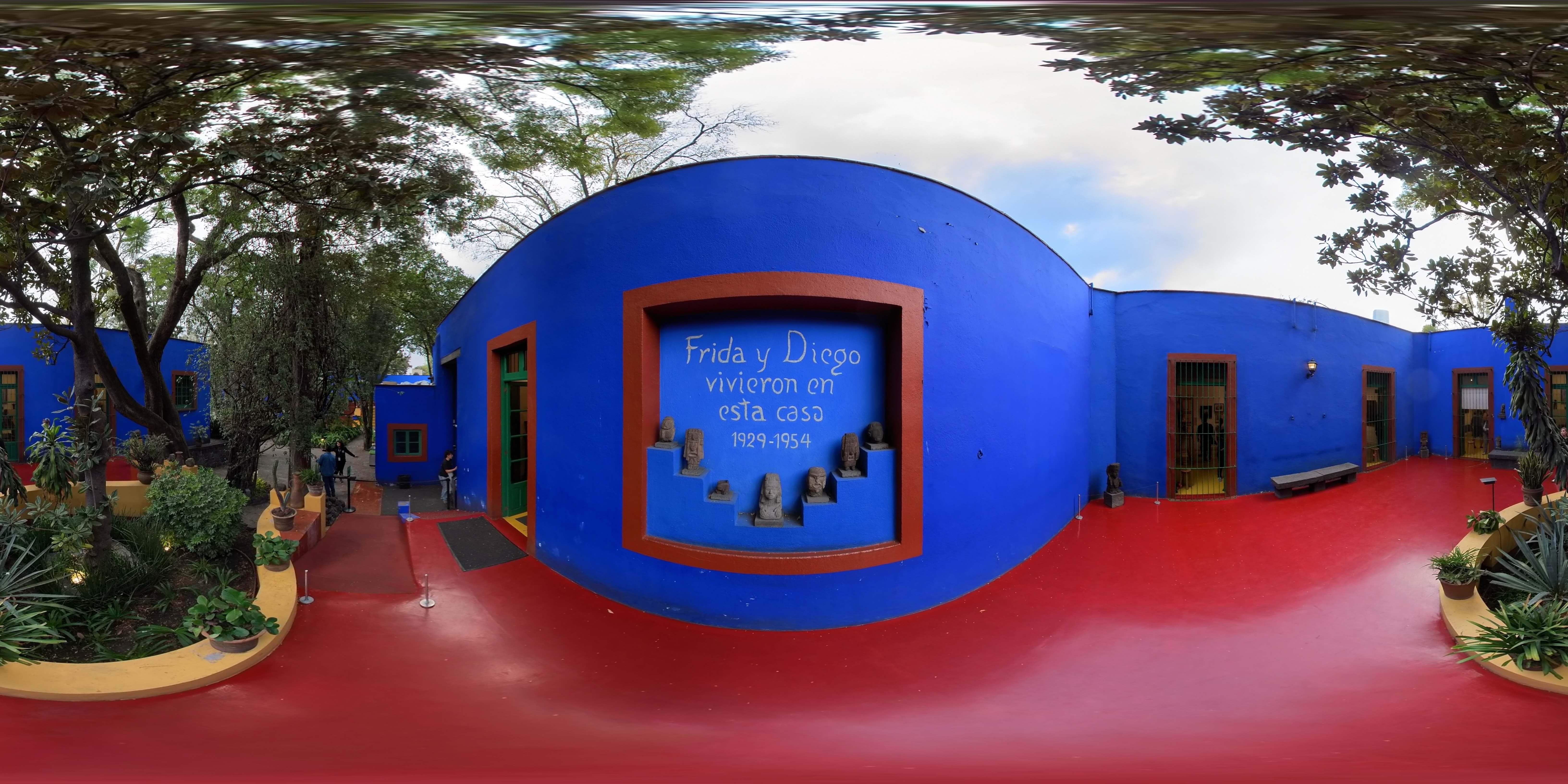
The Frida Kahlo Museum, universally known as Casa Azul for the cobalt-blue walls of the house itself, is the building Frida Kahlo was born in, lived in for most of her life, and died in — not a recreation or a relocated collection, but the actual rooms, furniture, and studio space where the work happened. That authenticity is the whole draw, and it's part of why demand for entry consistently outstrips the museum's capacity.
There are no in-person ticket sales at all. Every ticket is bought online through the museum's own official site, sold in timed 15-minute entry slots running from 10am to 5pm, and popular slots — especially morning ones — sell out routinely. For a comfortable, non-stressful visit, buying two to four weeks ahead is the standard advice; during Mexico City's genuinely peak seasons, tickets have been known to sell out two to three months in advance. Given that 2026 race weekend collides directly with Día de Muertos, one of the city's single biggest tourism draws of the year, treat this trip's Frida Kahlo Museum visit with that same peak-season urgency rather than the more relaxed few-days-ahead timeline that might work in a quieter month.
Once you do have a ticket, the museum enforces its timing strictly: your actual confirmation, sent by WhatsApp and email, typically arrives the evening before your visit, and on the day itself there's a maximum 15-minute grace period after your slot's start time — arrive later than that and the ticket is void, with no refund. This isn't a museum where "we'll figure it out at the door" is a viable backup plan.
Inside, the collection includes Kahlo's personal effects, several of her paintings, and her preserved studio, alongside a walled garden that was as much a part of her daily life and work as the interior rooms. The house sits in Coyoacán, a genuinely different-feeling neighborhood from central Mexico City — cobblestone streets, a slower pace, and its own worthwhile plaza and market square if you want to build a half-day around the visit rather than treating it as a single stop.
Why it's special
Plenty of "house museums" dedicated to a single artist end up feeling like a shrine assembled after the fact — objects gathered and arranged to represent a life rather than genuinely lived-in space. Casa Azul doesn't have that problem, because it never stopped being the actual house. The blue walls, the studio, the garden — none of it was recreated or relocated for the museum's benefit; it's simply been preserved as the place Kahlo's actual life happened, from birth to death. That distinction between "museum about someone" and "someone's real home, kept as it was" is rare, and it's the reason this specific stop justifies real advance planning rather than being treated as an easy walk-up addition to a Coyoacán afternoon.