2026 race weekend lands directly on top of Día de Muertos, and this isn't a minor scheduling coincidence — it means you're arriving for one of the biggest, most emotionally significant weekends on Mexico City's entire annual calendar, independent of the Grand Prix. Understanding what's actually happening around you changes the whole trip.
The city's Grand Parade traditionally runs on the Saturday nearest November 2nd, which for 2026 points to Saturday, October 31st — directly inside race weekend itself. The exact route and time get published closer to the date by the city government, but the parade has followed a consistent path in recent years: starting at Puerta de los Leones in Chapultepec, moving along Paseo de la Reforma, then Avenida Juárez, then 5 de Mayo, finishing at the Zócalo — roughly 6km of processional route, running from around midday to mid-afternoon. It's free, open to anyone, and the best viewing spots (Glorieta de la Palma, the Angel of Independence roundabout, and the stretch between the Angel and Alameda Central) fill up early — arriving by mid-morning is the realistic way to claim a good spot rather than watching over a crowd of heads.
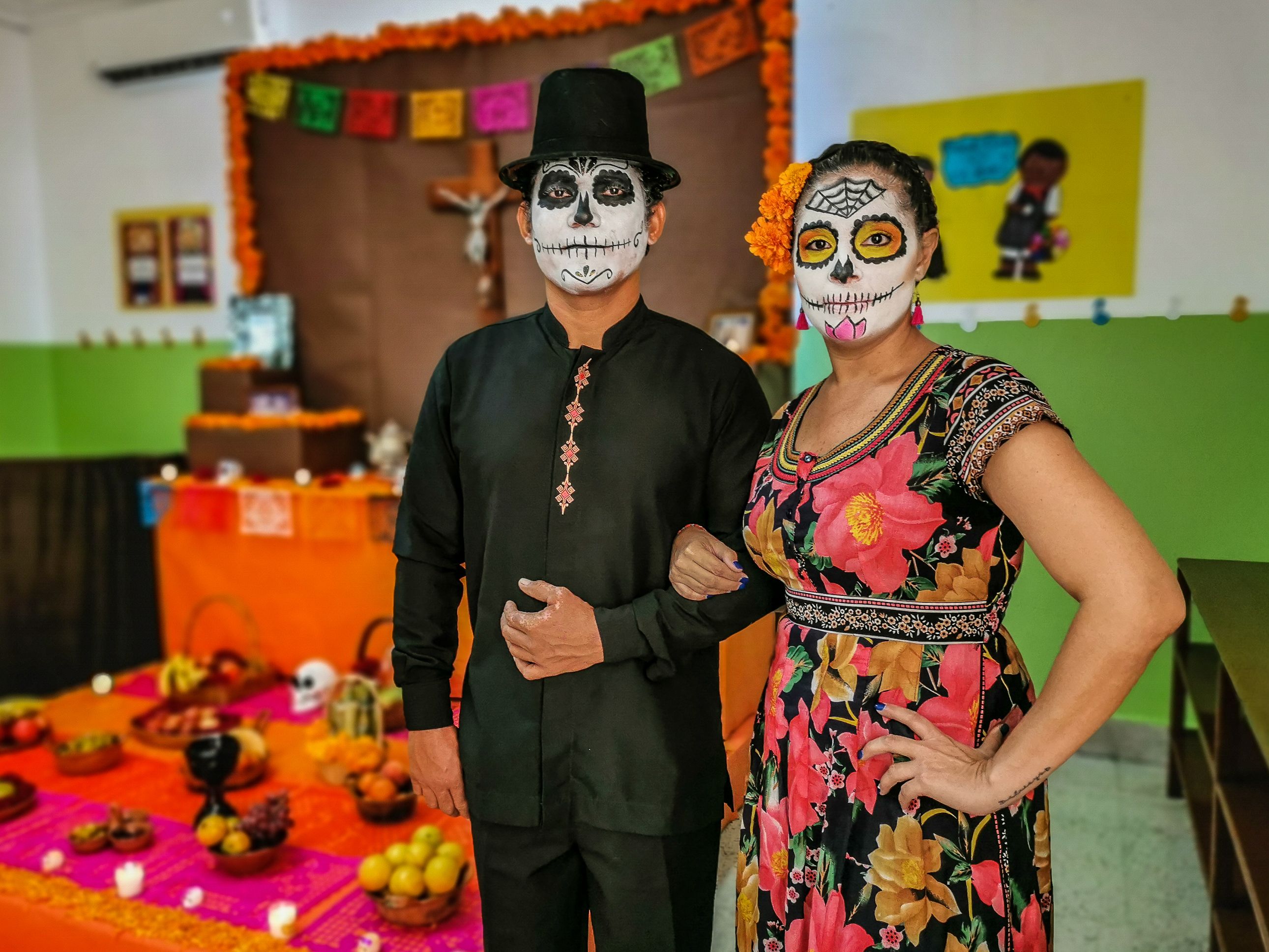
Monumental altars, or ofrendas, appear across the city during this period — a huge installation typically goes up in the Zócalo itself, alongside smaller neighborhood altars throughout Roma, Condesa, and other areas. These aren't decorations in the way a Halloween display is; each altar is built to welcome the spirits of specific departed loved ones home for the night, with marigolds, candles, photographs, and the deceased's favorite foods laid out as an actual offering, not a symbolic gesture.
The etiquette here matters more than it does at most festivals, because this is a genuine act of mourning and remembrance layered underneath the public celebration. Don't touch anything on a private altar without permission, and never treat a cemetery vigil as a photo opportunity — families spend the night at gravesides sharing stories and honoring their dead, and that's a deeply personal moment to observe respectfully from a distance, not to approach for close-up photos. If you do want a photo of someone in elaborate Catrina-style face paint in a public setting, ask first — a simple "¿Puedo tomar una foto?" is almost always welcomed. Wearing Catrina makeup yourself as a visitor is generally seen as a respectful way to participate, provided it's done with real understanding of what the festival means rather than as a costume. What isn't welcome: treating this as "Mexican Halloween," which misses the entire point, or showing up in a costume built for a different holiday's aesthetic rather than this one's actual meaning.
Why it's special