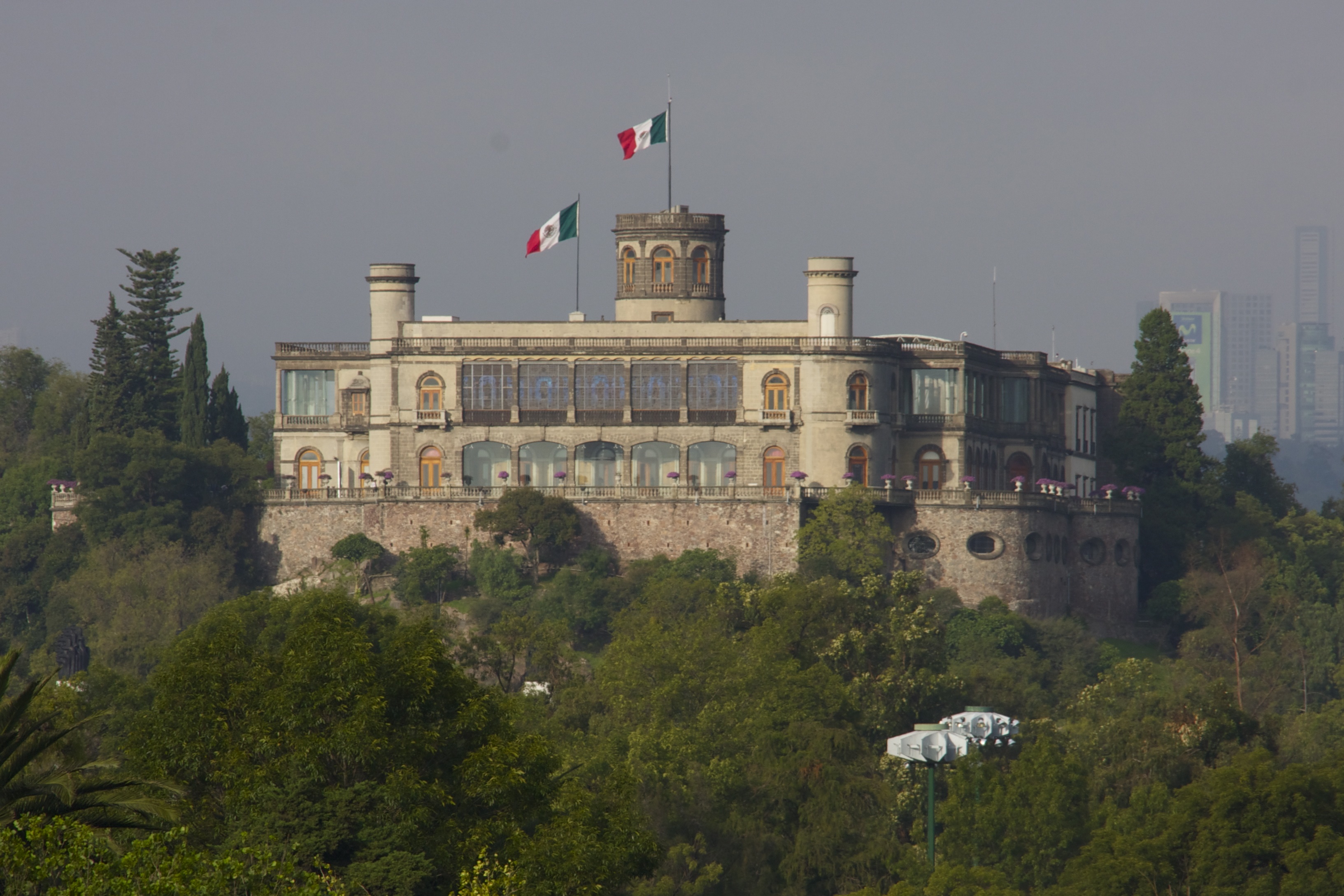
Chapultepec Park is more than double the size of Central Park, and it functions as the city's actual green lung — tree-lined paths, lakes, and enough open space that it doesn't feel like a single park so much as a green district with several major attractions inside it. Chapultepec Castle sits at its highest point (once an Aztec ceremonial site, later a residence for Mexican presidents and a brief imperial court), and several of the city's major museums cluster within walking distance of each other inside the park's boundaries. See live rating and reviews on Google Maps
The National Museum of Anthropology is the reason most visitors carve out real time for this part of the city — one of the most significant collections of pre-Columbian artifacts anywhere, and home to the Piedra del Sol, the Aztec Sun Stone, one of the most recognizable single artifacts in Latin American history. The museum is open Tuesday through Sunday, 9am to 8pm, giving you a long window to work with, but it's also one of the most visited museums on the continent, and lines have been known to stretch up to two hours and wrap around the block by midday. Getting there right at opening is a genuinely different experience than arriving in the afternoon — you'll have the Sun Stone and the museum's other headline pieces largely to yourself for the first hour, rather than viewing them through a crowd. See live rating and reviews on Google Maps
Entry runs a modest fee on regular days, with free admission on Sundays for Mexican citizens and residents specifically — a detail worth knowing if you're weighing whether Sunday's free crowd or a weekday's paid entry gets you a better experience, since the free day tends to be considerably busier.
Why it's special
The Aztec Sun Stone is one of those artifacts that's been reproduced on so many postcards, textbook covers, and tourist souvenirs that it risks feeling smaller in person than the buildup suggests — until you're actually standing in front of it, at real scale, inside a museum built specifically to give pre-Columbian Mexican history the same institutional weight most countries reserve for their own national treasures. Chapultepec's real argument isn't any single piece, though — it's the combination of a working, heavily-used public park (locals running, families picnicking, everyday city life happening around you) sitting directly alongside one of the most serious anthropological collections in the world. Few cities let you experience both in the same afternoon walk.