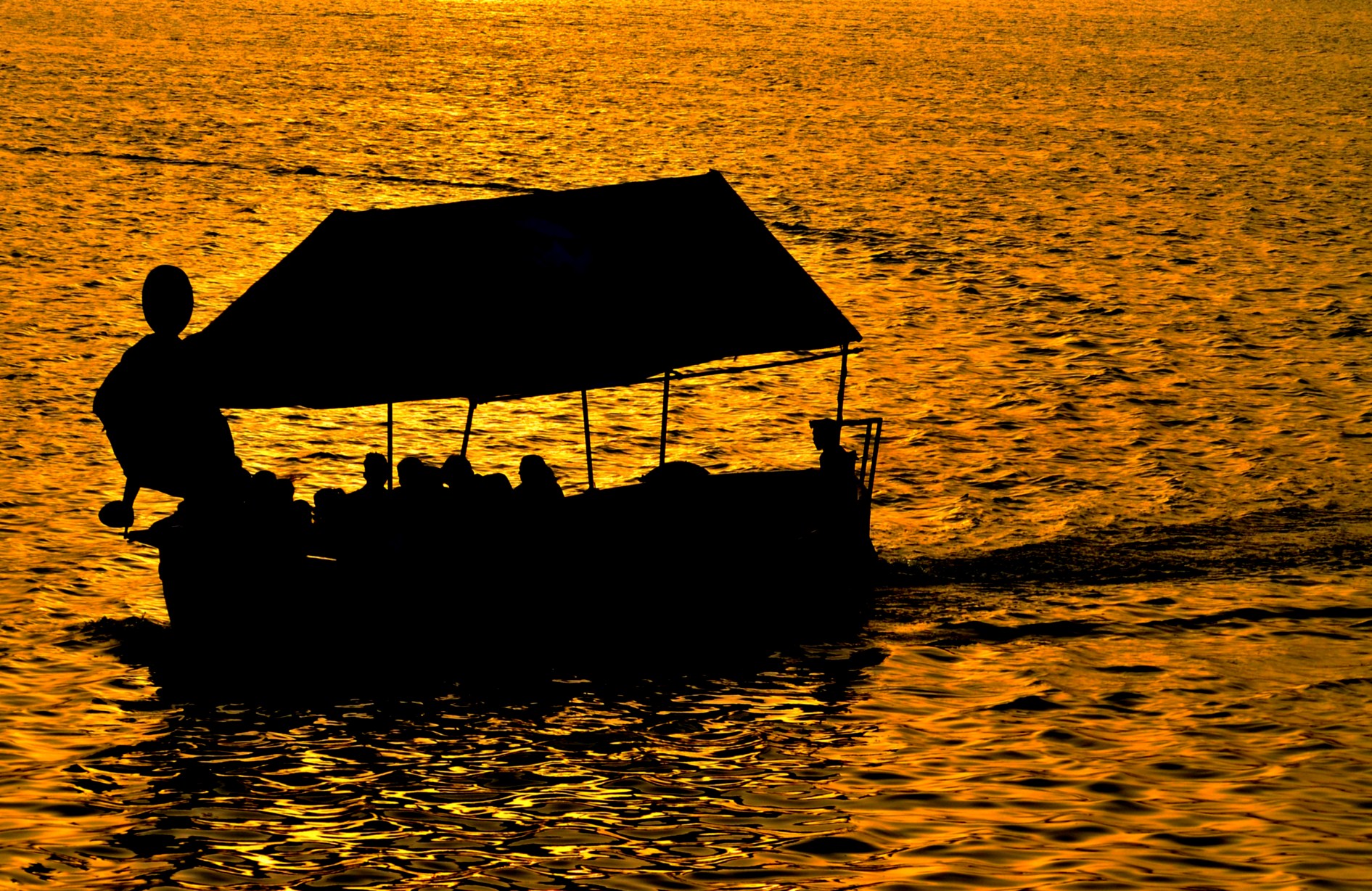
Kankaria Lake dates back to the Gujarat Sultanate, excavated during the reign of Qutb-ud-Din Ahmad Shah II between 1451 and 1458, and it served as a royal leisure and bathing spot under both the Sultanate and, later, the Mughals. It was declared a protected monument in 1928, and in 2008 the Ahmedabad Municipal Corporation revamped it into the modern lakefront it is today, a roughly 600-metre-wide lake ringed by a zoo, boat rides, a toy train, and, most evenings, a laser show at Nagina Wadi running 7:00-7:30pm that projects Gujarat's history and cultural motifs onto a water screen.
It's genuinely more of a civic recreation ground now than a historic monument, and that's the appeal after a long day of cricket: families, joggers, food stalls, and a relaxed, unhurried evening atmosphere around the water. See live rating and reviews on Google Maps
The Sabarmati Riverfront is the newer, more architecturally deliberate version of the same idea. Built since 2005 and progressively opened to the public from 2012, it's an 11km stretch along both banks of the river with a two-level promenade, a lower level for pedestrians and cyclists directly by the water, and an upper level hosting parks, plazas, and cultural events. It's consistently described as one of the best places in the city for an evening walk, well-lit, well-maintained, and genuinely pleasant once the day's heat has passed. See live rating and reviews on Google Maps
Either one works as a wind-down after a day at the Narendra Modi Stadium, since both sit relatively close to the ground and the city's central hotel areas. The riverfront suits a quieter walk; Kankaria suits an evening with more going on around you.
Why it's special
After three cities' worth of stadiums, temples, and heritage walks, Kankaria and the riverfront are the one entry in this pack that isn't really about seeing something specific, it's about doing what Ahmedabad's own residents actually do on an ordinary evening. A 600-year-old royal lake turned into a modern civic park, and an 11km river promenade built this century, sitting a short ride apart, give you two genuinely different registers of the same idea: a city using its water as public space rather than backdrop.