A handful of practical basics make the difference between a smooth first trip to India and a stressful one, and none of them are complicated once you know them going in.
Get a local SIM or eSIM as soon as you land. Airtel and Jio both offer wide coverage and fast data, and a 28-day tourist plan with generous data costs only a few dollars, bought at the airport with your passport or set up as an eSIM before you even leave home if your phone supports it. Reliable data matters more here than in most countries, for ride-share apps, translation, and simply staying oriented across three unfamiliar cities.
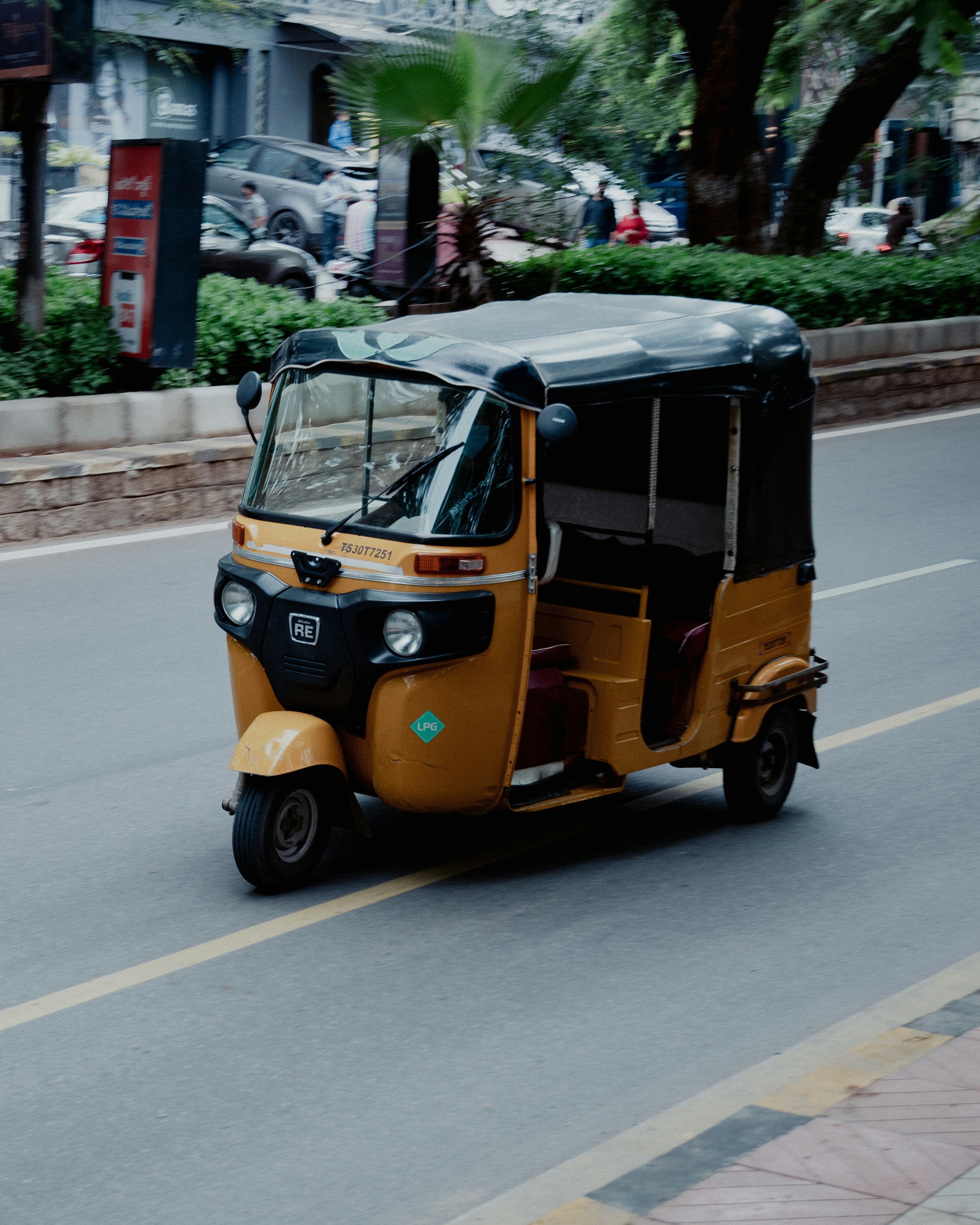
Carry Indian Rupees, not foreign currency, for anything beyond a hotel bill. Card acceptance has grown a lot in India's cities, but plenty of transport, small restaurants, and street food stalls are cash-only, so keep a mix of cash, including small notes, on hand, and exchange money only at authorized outlets rather than informal street changers. Tap-to-pay with Google Pay or Apple Pay works at NFC terminals in hotels, malls, and larger chain stores, and Apple Pay has recently begun supporting select international cards in India, but most everyday Indian transactions, street stalls, auto-rickshaws, small local restaurants, run on UPI QR-code payments, a system foreign cards and wallets generally can't plug into, so don't expect tap-to-pay to work as universally as it might at home.
Tap water isn't safe to drink anywhere in this pack's three cities. Stick to sealed bottled water with an intact cap, use it to brush your teeth too, and be cautious with ice unless you know where it came from. This single habit prevents most of the stomach trouble that catches out first-time visitors.
At religious sites, temples, mosques, the ashram, dress modestly and expect to remove your shoes before entering. Use your right hand for handing over money or touching someone; the left hand carries a cultural association with hygiene that makes it best avoided for these interactions. In markets, bargaining is genuinely expected and normal, kept friendly rather than aggressive, but fixed-price stores and restaurants don't expect it.
Tipping is straightforward: roughly ₹200-500 per day for a driver depending on trip length, ₹300-500 for a guide per session, ₹50-100 for hotel porters, and 10% at restaurants if a service charge isn't already added to the bill, worth checking before tipping twice.
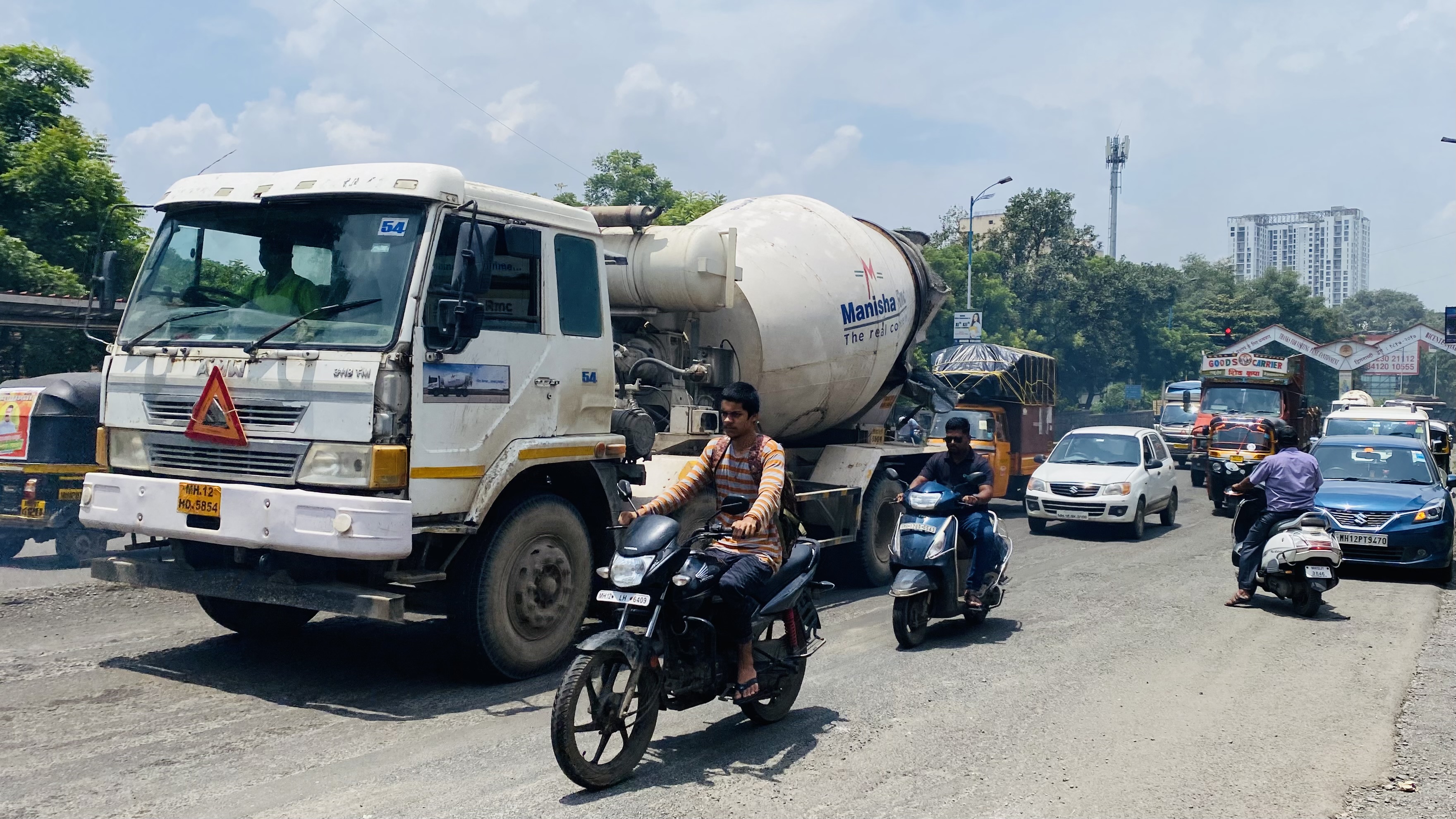
Google Maps works well enough to rely on day to day, but go in with realistic expectations rather than blind trust. Street-level accuracy in India can be patchy, directions occasionally route through a market, a closed lane, or a path that technically exists but isn't meant for traffic, and the app's ETAs often can't keep pace with how fast a city's traffic situation changes hour to hour. If a route looks obviously wrong once you're on the ground, trust what you're seeing over the app, and don't be shy about asking someone on the street. Directions from locals aren't always precise either, but the combination of a rough verbal pointer and a friendly willingness to help usually gets you there, and it's a completely normal, expected way to navigate here rather than a last resort.