Avenida Paulista is the closest thing São Paulo has to a single defining street — a long, skyscraper-lined boulevard that functions as financial district, cultural strip, and public square all at once. On Sundays, the avenue closes to cars from 7am to 4pm, and the transformation is real: cyclists, joggers, street performers, and vendors take over what's normally a traffic artery, and it becomes one of the genuinely best free things to do in the city on a weekend morning.
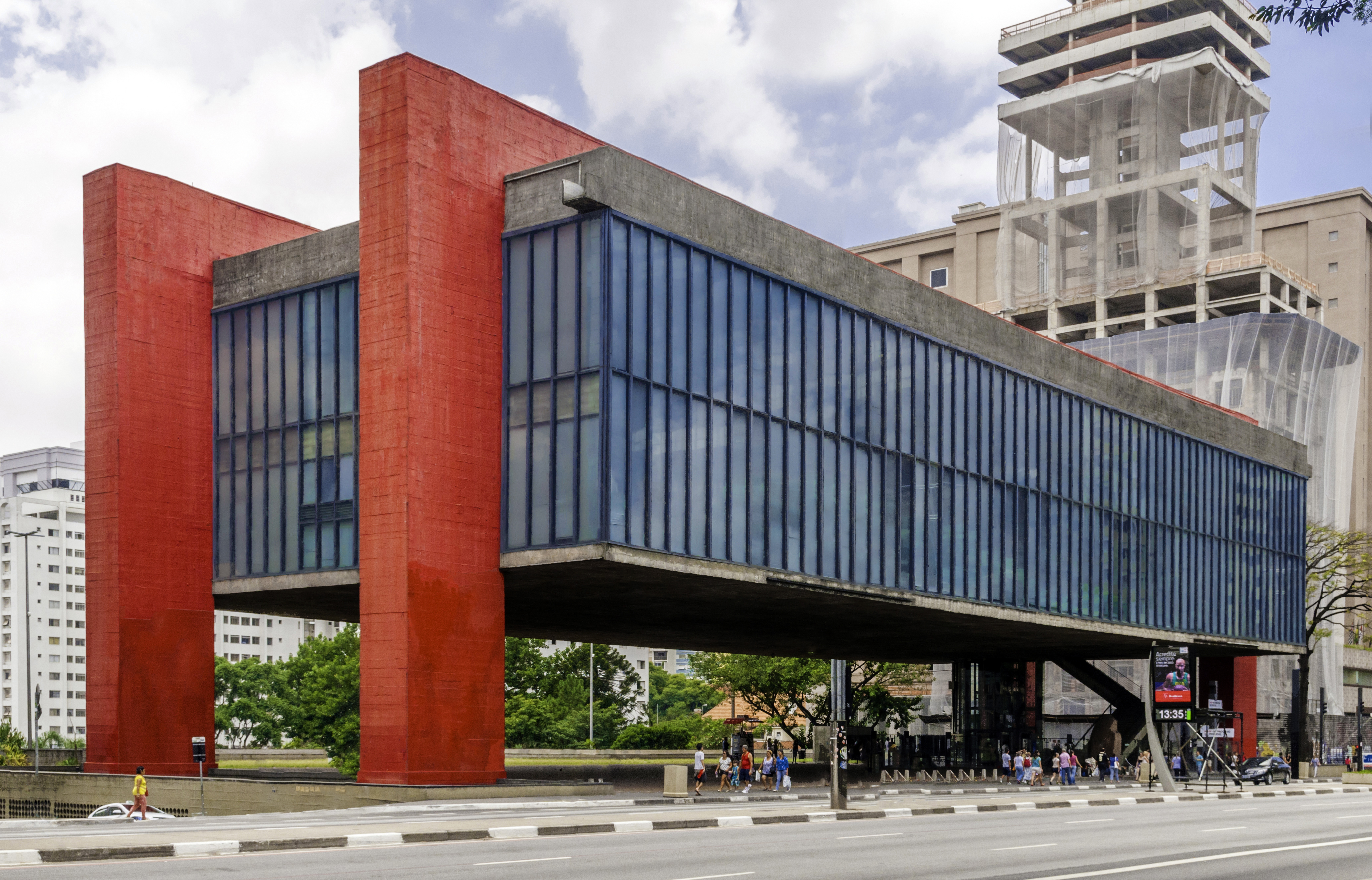
MASP anchors the avenue both physically and symbolically — a raised concrete slab suspended over an open plaza, instantly recognizable brutalist architecture that's been photographed as a symbol of the city for decades. Inside, the collection runs deep into European painting for a Southern Hemisphere museum: Picasso, Van Gogh, Gauguin, and Degas sculptures sit alongside a serious Brazilian modern art collection. Hours run Tuesday through Sunday (closed Mondays) — Tuesday 10am-8pm, Wednesday and Thursday 10am-6pm, Friday 10am-9pm, weekends 10am-6pm. Entry is free on both Tuesdays and Wednesdays; Sunday admission runs R$35 for adults, R$17 for seniors and students, free for children 9 and under.
Underneath the raised museum building itself, the MASP Antique Market runs every Sunday, 8am-5pm — genuine antiques, collectibles, and crafts spread across the open plaza the building's own architecture creates. It's a natural pairing with the car-free avenue and a museum visit: market first, museum during the free-if-Tuesday-or-Wednesday window or paid on a Sunday, then a walk down the closed avenue.
Trianon Park sits directly across the street from MASP — a dense, forested pocket park with cobbled paths, a genuinely different feeling from the open plaza and traffic of the avenue itself, worth the ten minutes it takes to cross into it.
Why it's special
Most "iconic street" recommendations in most cities are really just a place to take a photo and move on. Avenida Paulista does something more interesting on a Sunday specifically — the same street that's pure financial-district hustle on a Tuesday becomes public space by design, car-free and full of the actual city rather than tourists looking at it. MASP's own building does the same trick architecturally: a museum that's also, quite literally, a piece of open civic space underneath it, holding a weekly antiques market rather than sitting empty. The museum's own extraordinarily large and consistently strong rating reflects both things at once — a serious collection and a genuinely well-loved civic landmark.