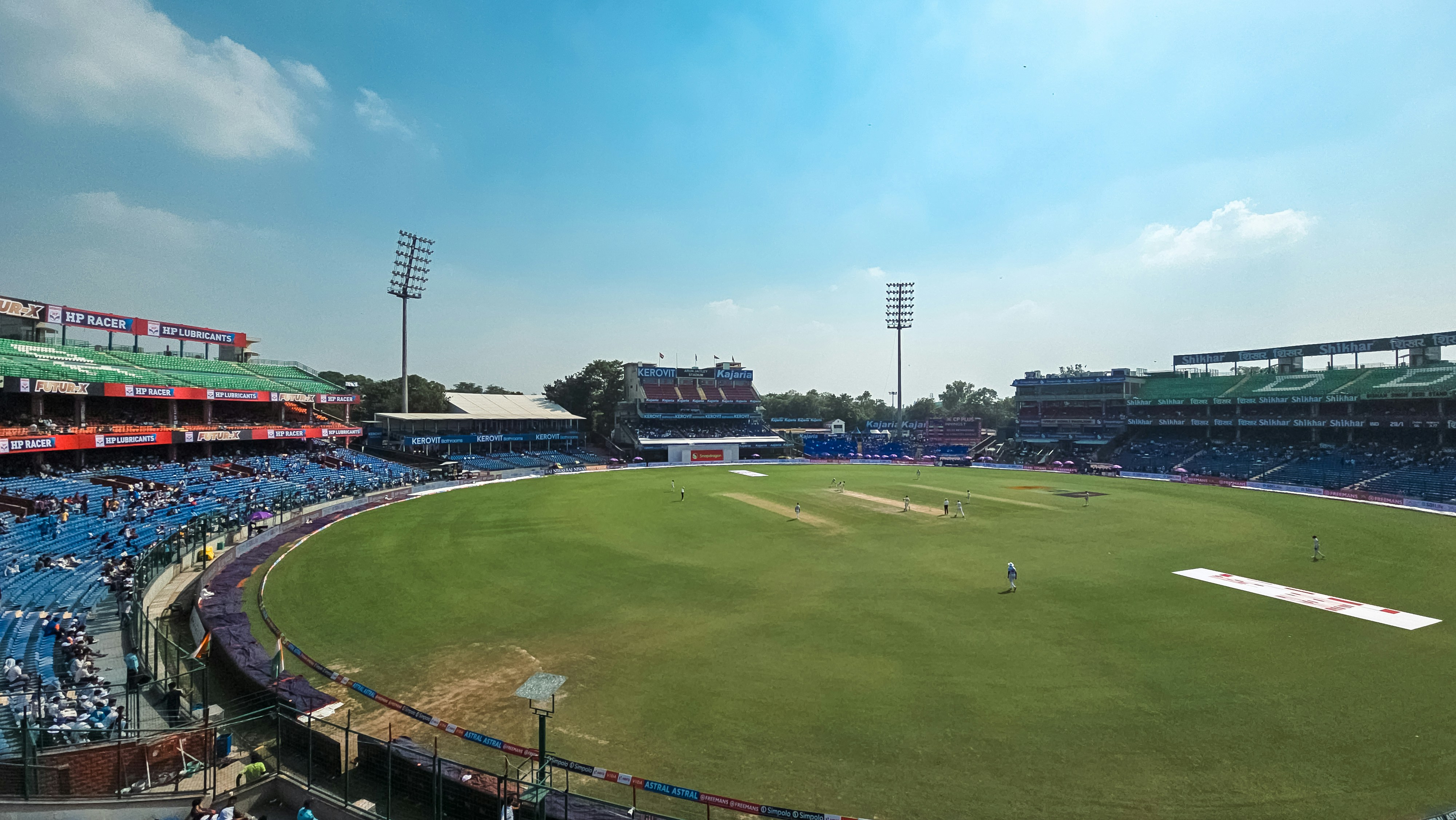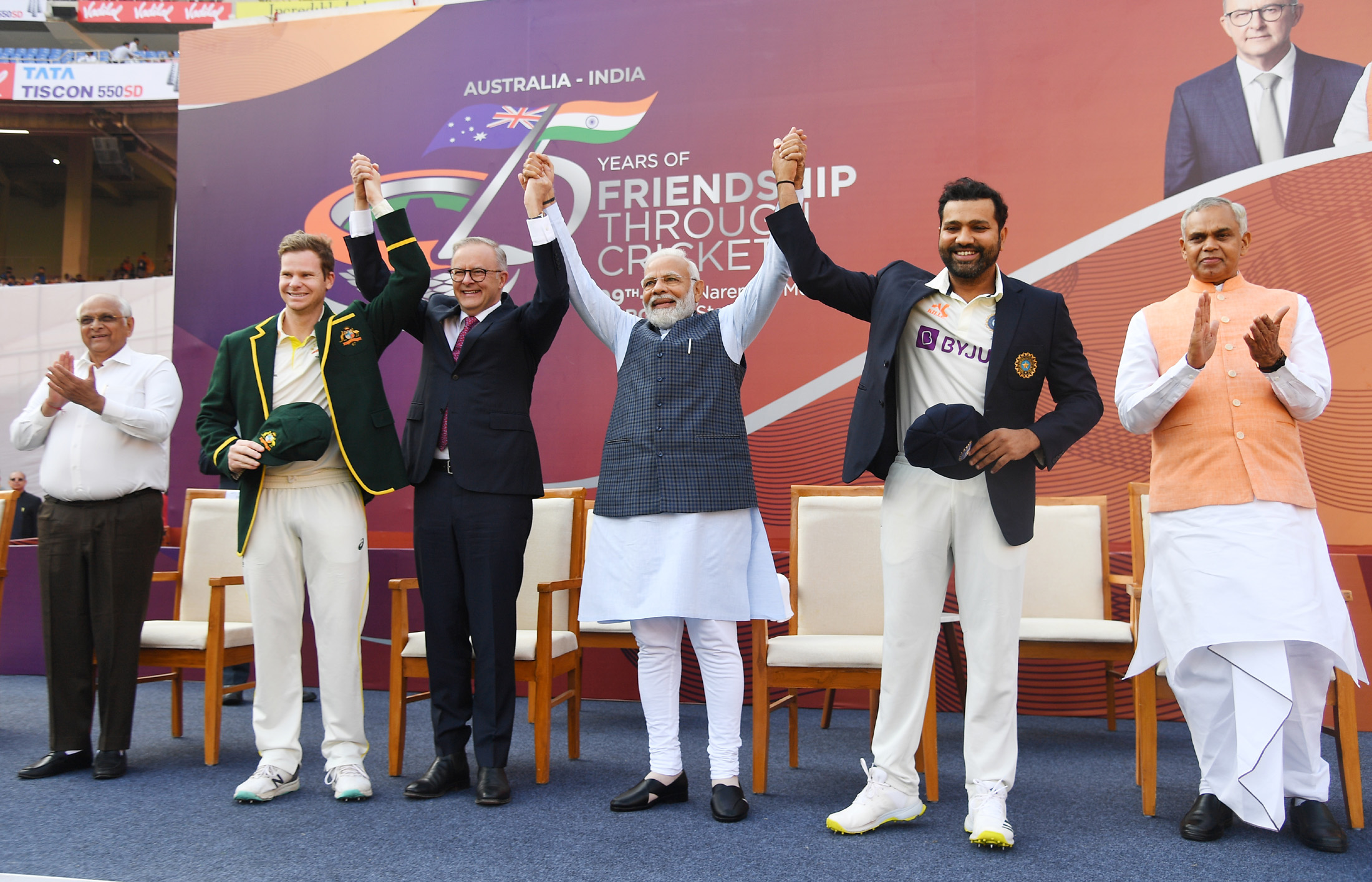
The Border-Gavaskar Trophy was named in 1996-97 for Allan Border and Sunil Gavaskar, two batters who'd each passed 10,000 Test runs and, between them, defined how their countries played the format for a generation. What's happened since has made the trophy itself almost secondary to the cricket it now represents.
Australia won the most recent series, 3-1 in 2024-25, ending a run of four straight India wins, and India still holds the overall head-to-head, 10 series wins to Australia's 6 from 17 contested, with one drawn. That head-to-head alone tells you India has had the better of this rivalry for most of its modern history, but the number understates how close and how dramatic individual series have been, and Australia's win in the most recent series is itself proof the gap can close fast.
The 2001 series is the one most often cited as the moment this rivalry became something bigger than a normal bilateral contest. Australia, on a 16-match winning streak, had India following on at Eden Gardens in Kolkata. VVS Laxman scored 281, Rahul Dravid added 180, and India won a Test that had looked finished after three days, then took the series. It's still regularly ranked among the greatest Test matches ever played, by anyone.
More recently, the 2020-21 tour produced a swing almost as dramatic in the opposite direction and back again within weeks. India were bowled out for 36 in Adelaide, their lowest Test score in the format's history, missing key players to injury for the rest of the tour. At the Gabba in Brisbane, a ground Australia hadn't lost at in decades, a patched-together Indian side chased 329 to win, Rishabh Pant's unbeaten innings sealing one of the least likely results in modern Test cricket. Two years before that, the 2018-19 tour had already produced India's first-ever series win on Australian soil, built on Jasprit Bumrah's 21 wickets and Cheteshwar Pujara's stubborn, hours-long innings.
Arriving at any ground on this tour, you're not just watching two good teams play cricket. You're watching the two sides responsible for a genuine run of the best Test cricket the sport has produced this century.
Why it's special
Rivalries get called "the greatest" reflexively enough that the label rarely means much on its own. This one earns it on substance: a head-to-head this competitive, across this many series, producing this many matches now taught as reference points for what Test cricket can be at its best, isn't common. Knowing the 2001 Kolkata comeback and the 2021 Gabba chase before you sit down for this series changes what you're watching for, not just results, but the specific, repeated pattern of these two teams producing cricket that neither side's other rivalries quite match.