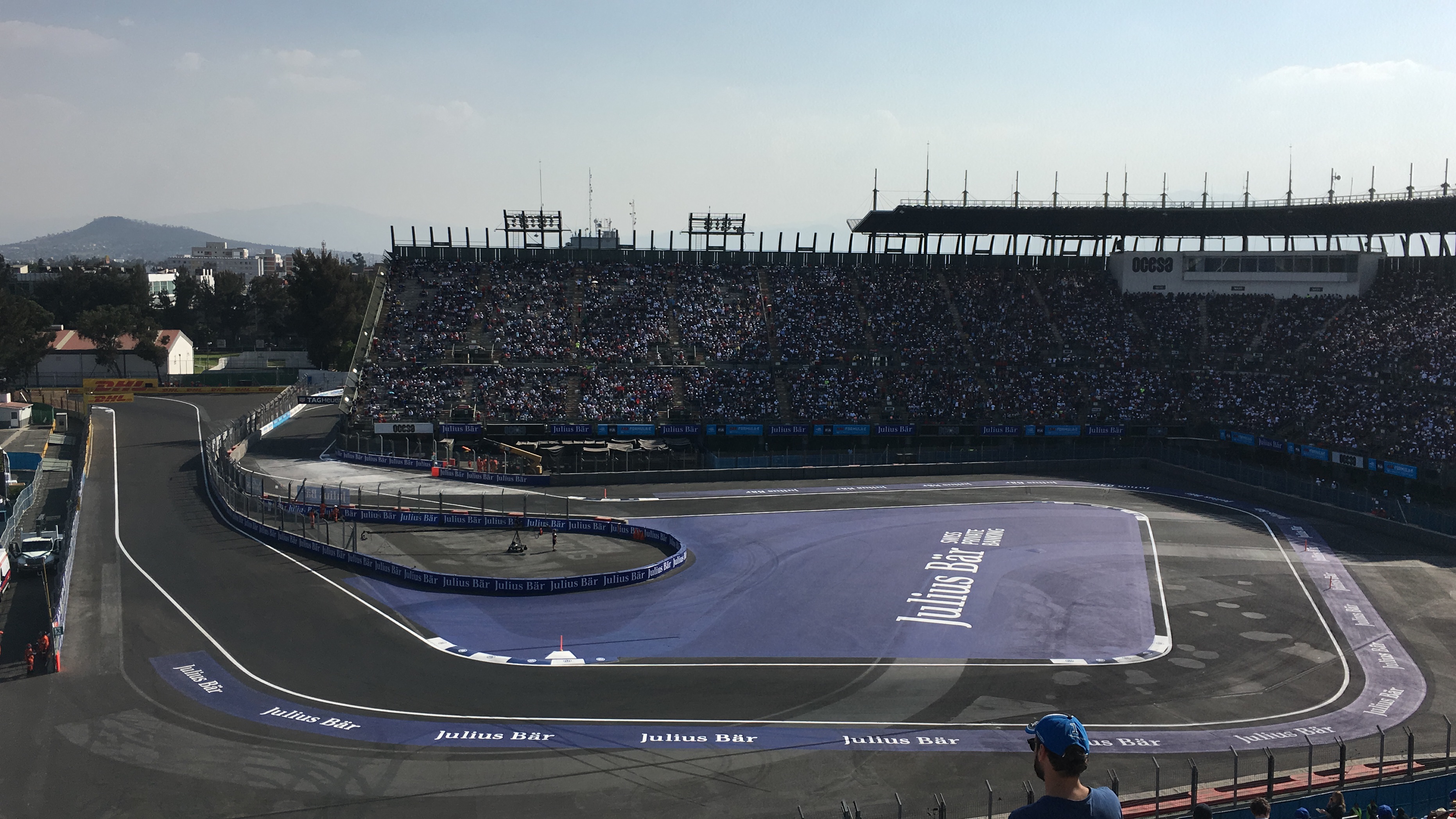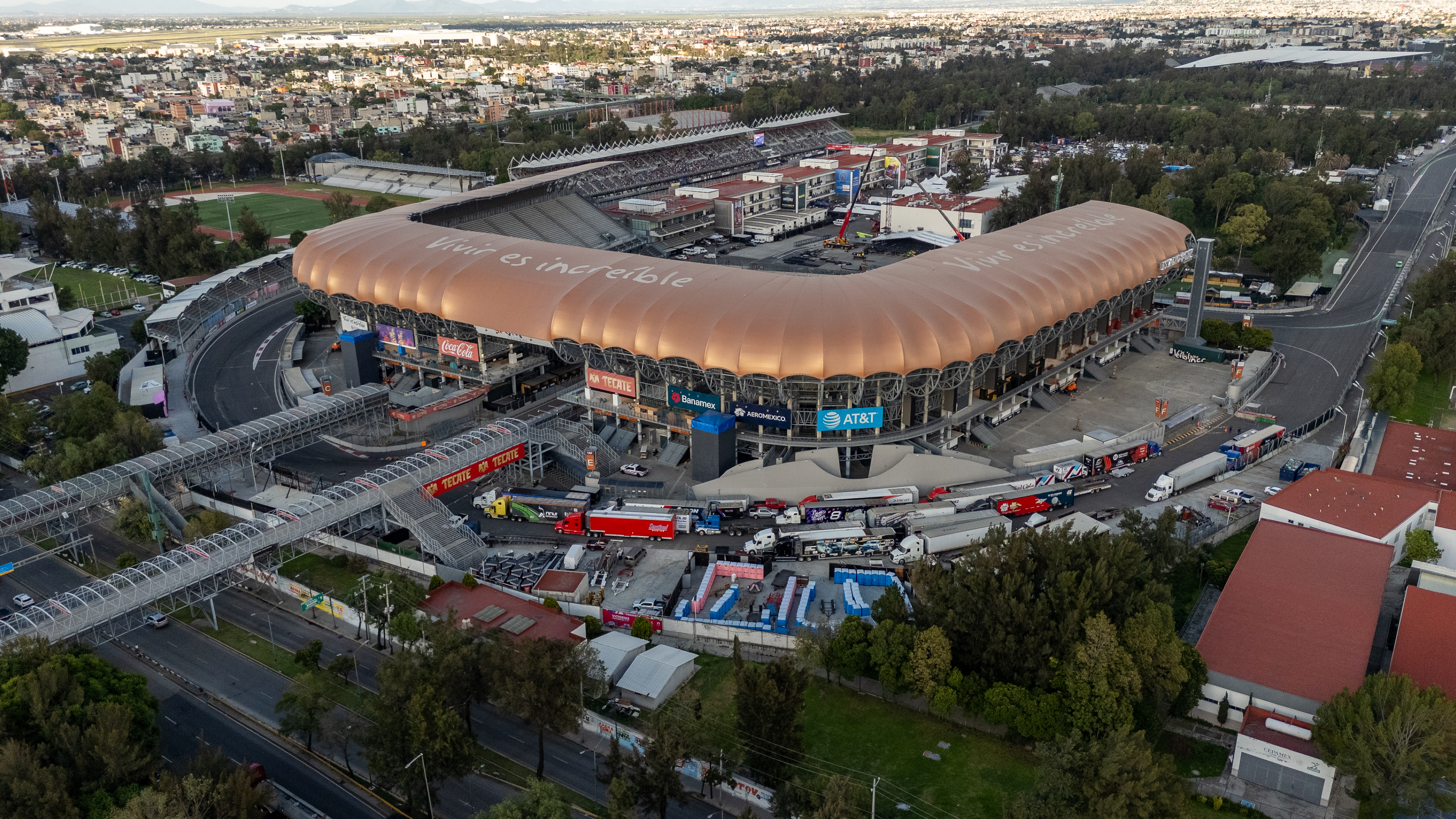
The circuit opened in 1959 as the Autódromo Magdalena Mixiuhca, built inside a public sports park in northeast Mexico City. It's named for brothers Pedro and Ricardo Rodríguez, Mexico's first genuine Formula 1 talents — Ricardo died at 20 during practice here in 1962, Pedro nine years later racing in Germany, and the circuit has carried their names since 1972. F1 raced here through the 1960s and 70s, left the calendar for over two decades, and returned in 2015 after a full redesign that cut the new final sector straight through the Foro Sol baseball stadium built on the site in the 1990s — rather than route around it, the designers threaded turns 12 through 15 between the stadium's own grandstands, which is why this circuit doesn't look or feel like anywhere else on the calendar.
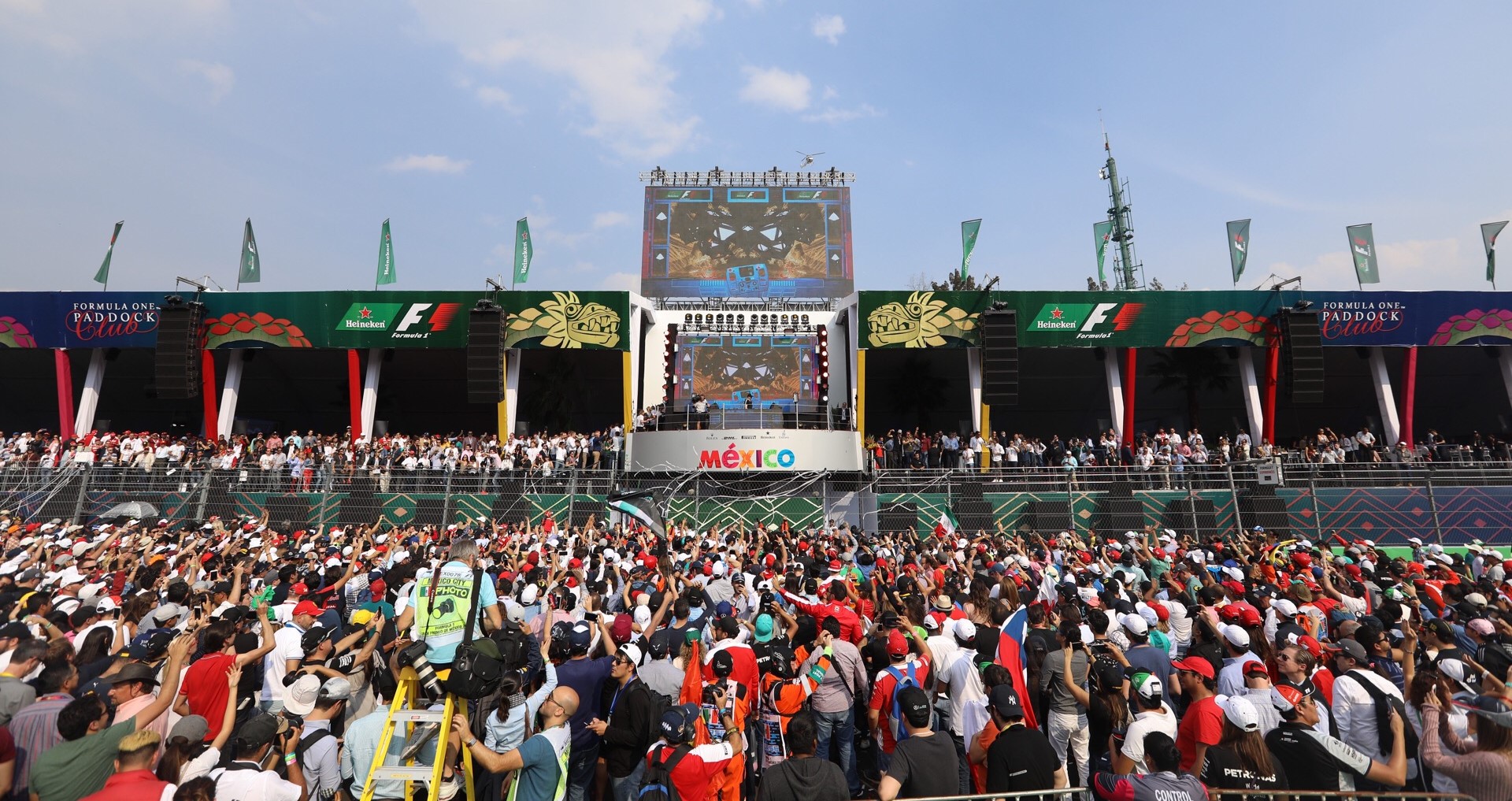
The layout itself runs 4.304km with 17 corners, built around a 1.29km main straight — one of the longest on the calendar, running from the exit of the final corner to the apex of Turn 1, and the reason overtaking into Turn 1 is one of the most reliable passing spots on the schedule. The Foro Sol stadium section (turns 12-15) splits into Foro Sol Norte and Foro Sol Sur, the two halves of the old baseball stadium, seating well over 15,000 fans in a genuine amphitheater setup — this is the loudest, most stadium-like sector on the F1 calendar, and it's also where the podium ceremony happens, so the crowd noise on a race-winning lap through here is a real, different experience from any other grandstand.
The Pit Building sits on the main straight and houses all 33 team garages on its ground floor, with grandstand seating and hospitality suites built into the floors above — Paddock Club sits directly on top of this building, which is why its balcony looks straight down onto pit lane. A two-story Media Center built for around 470 journalists sits nearby, and the wider paddock area behind the Pit Building is where team transporters and hospitality units set up for the weekend — not publicly accessible without a paddock-tier ticket, but visible in glimpses from the right vantage points around the circuit.
The venue sits inside the wider Magdalena Mixhuca sports complex, a roughly 292-hectare public sports city spanning the Iztacalco and Venustiano Carranza boroughs that also includes an Olympic-legacy velodrome and other sports facilities — it's a genuine public park the rest of the year, not a dedicated racing facility, which is part of why race weekend here feels more like a city festival built around the track than a traditional closed-circuit motor-racing weekend. Food and beverage on race weekend runs through temporary stalls and food trucks spread around the different zones rather than one central food court, so what's available depends on which part of the circuit you're in — expect a genuine range from quick Mexican street-food-style options to more considered offerings, consistent with the city's food culture generally.