What do I need to know for my first Sepang race weekend?
5 mistakes first-time visitors make
This isn't Malaysia's bid finally paying off, and it isn't simply "F1 comes back." Understanding what this weekend actually is changes how you should plan it — here's what genuinely trips up a first-time visitor, drawn from the real detail in this pack rather than generic advice.
Mistake 1 — thinking this is Malaysia's own race
The race is officially still the Bahrain Grand Prix, run at Sepang because a regional conflict disrupted the Gulf calendar — not because Malaysia campaigned to get its home round back. Malaysia didn't win a bid; Sepang was available, certified, and close enough to the original slot to absorb a race that would otherwise have disappeared. That context genuinely changes how you read the whole weekend, including why 2026 ticketing and logistics are still being finalised later than you'd expect for an established Grand Prix.

Mistake 2 — assuming any grandstand shows you the same race
Sepang's four stands are built around genuinely different ideas of what's worth watching — the Main Grandstand gives you the ceremony of the grid, lights and podium; K1 gives you real, repeated overtaking at Turn 1; Grandstand F gives you the widest single view of a car under sustained load through Turns 6-8; the Hill Stand trades a roof and an assigned seat for flexibility and price. Buying whichever stand is cheapest or most famous without checking what it actually shows you is the single most common first-timer regret.
Mistake 3 — underestimating the weather
Sepang's rain doesn't build gradually — the 2009 race was red-flagged after a clear afternoon turned into a monsoon inside a handful of laps. A covered stand isn't a luxury preference here, it's a real practical consideration, especially if you've booked general admission at the Hill Stand, where the canopy covers only part of the embankment.
Mistake 4 — basing yourself at the circuit instead of the city
Sepang's own hotel stock is thin and mostly airport-transit-oriented. Kuala Lumpur is genuinely 45-60 minutes away, but that distance buys you a real, world-class city — restaurants, nightlife, the Golden Triangle — for the two-thirds of the trip you're not actually at the track. The exception is a traveler prioritising a zero-friction race-morning commute over city time, for whom the airport-adjacent Sama-Sama Hotel is a genuine, deliberate alternative, not a downgrade.
Mistake 5 — missing what this race means to the fans around you
Nearly 191,000 fans attended a single Sepang MotoGP weekend in 2025 — real, current, measured demand for motorsport in Malaysia, not nostalgia. For a generation of Malaysian fans under roughly 25, this genuinely is a first Grand Prix, not a return — Sepang's F1 years ended when they were children, if they were born at all. Arriving as a visiting fan into that specific moment is worth being aware of, not just background trivia.
Practical essentials
What's not allowed through the gates
F1-specific 2026 gate rules for this relocated race haven't been published yet — this list is Sepang International Circuit's own published visitor rules for its recent MotoGP weekends, the closest real proxy available since it's the same venue and operator.
Outside food and drink (one sealed bottle of water up to 600ml is the exception), alcohol, glass containers (sunglasses and prescription glasses are fine), opened or broken-seal beverage containers, chairs and stools, tents or beach shelters, weapons or dangerous objects, fireworks, laser pointers, pets, oversized flags or banners (over 1m), drones, professional cameras or video cameras (personal non-commercial photography is fine), bicycles, scooters, skateboards or roller blades, and amplifying devices. Items are confiscated on discovery.
Essential apps to download before you land
Grab
Malaysia's dominant ride-hailing app — around 65% of foreign tourists in the country use it. Upfront pricing before you book and cashless payment make it the easiest way to move between the city and the circuit outside of the trains.
Touch 'n Go eWallet
Malaysia's fare-gate and toll payment app for LRT, MRT, and KTM. Worth knowing before you rely on it: tourist self-registration is currently open to ASEAN passport holders only (Brunei, Cambodia, Indonesia, Laos, Myanmar, the Philippines, Singapore, Thailand, Vietnam). If you're travelling on a non-ASEAN passport, you can't yet sign up for your own account — budget for cash or a card at station ticket machines instead.
F1 Official App
Live timing and the race control messages feed — yellow flags, safety car deployments, investigations, and penalties as they're issued. Genuinely useful trackside, not just for watching at home.
What to actually carry
Your ticket and a government photo ID or passport, some cash alongside cards (official ticketing accepts Visa, Mastercard, and digital wallets, but that doesn't guarantee every food or merchandise vendor on site does), and a portable power bank — a venue this size, this crowded, on one phone network, will drain a battery fast on photos and messaging alone.
Accessibility
Sepang provides designated wheelchair seating at the Main Grandstand, dedicated disabled parking, an internal pick-up service, and a direct assistance line (+603 8703 2434) — confirmed via the circuit's own published accessibility information for recent race weekends. Contact the circuit ahead of race weekend to confirm 2026 arrangements before you travel.
Getting out afterward
The drive to KLIA is normally 15-20 minutes, but Sepang's single-corridor road access means that stretches to 30-40 minutes by car once a race weekend actually ends — sometimes worse on the highway approach. The train is the more reliable exit: KLIA Transit to Salak Tinggi, then a short Grab ride, runs around 45 minutes total and sidesteps the road congestion that can push a bus back well over an hour.
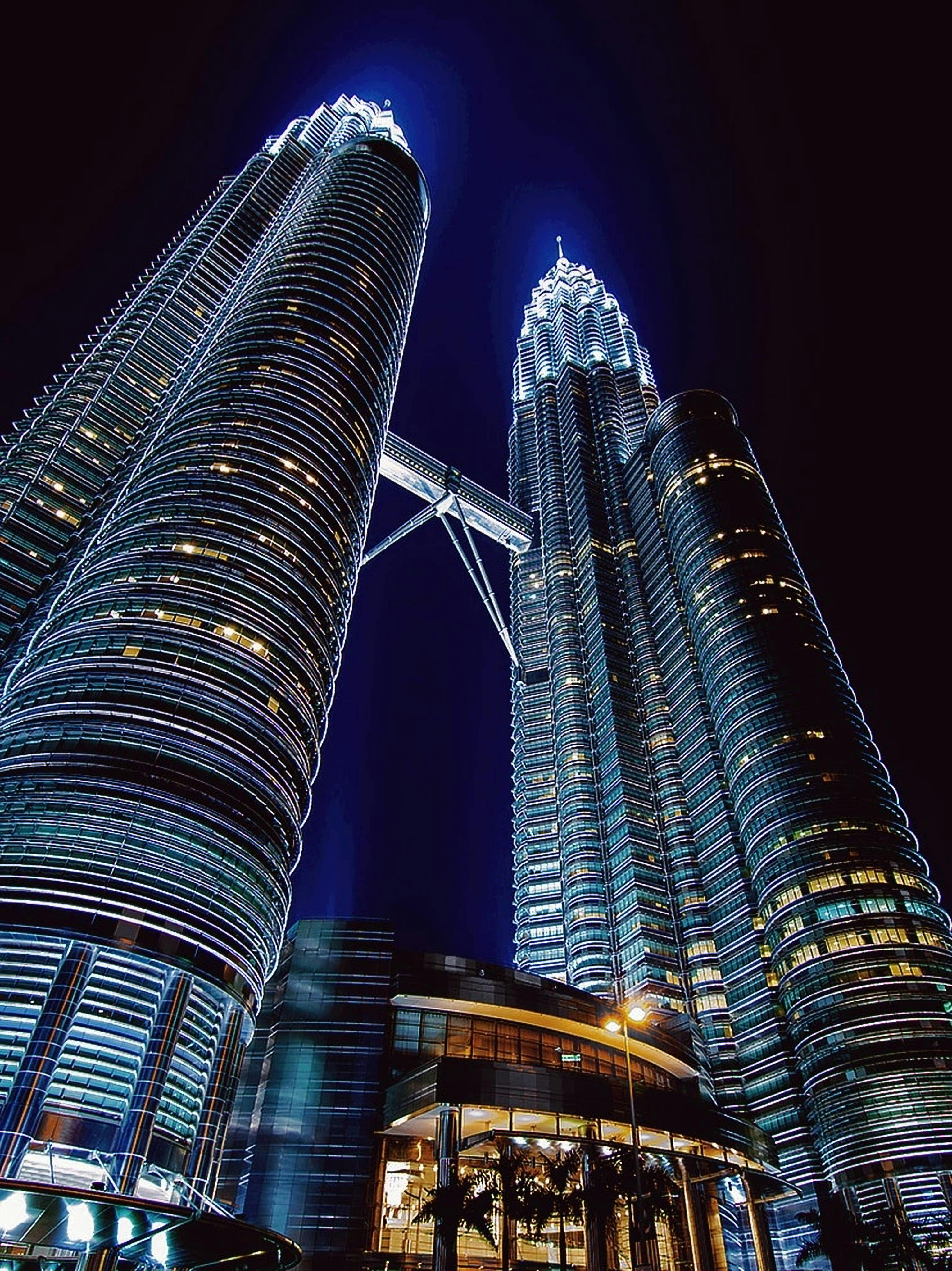
The city, not just the circuit
Sources: grab.com/my, touchngo.com.my/consumer/international-tourists (ASEAN-only tourist registration, confirmed current as of 2026), formula1.com/en/timing/f1-live.