History
Why the ATP's Asian Finale Lands in Shanghai
Tennis·2 min read·August 9, 2026
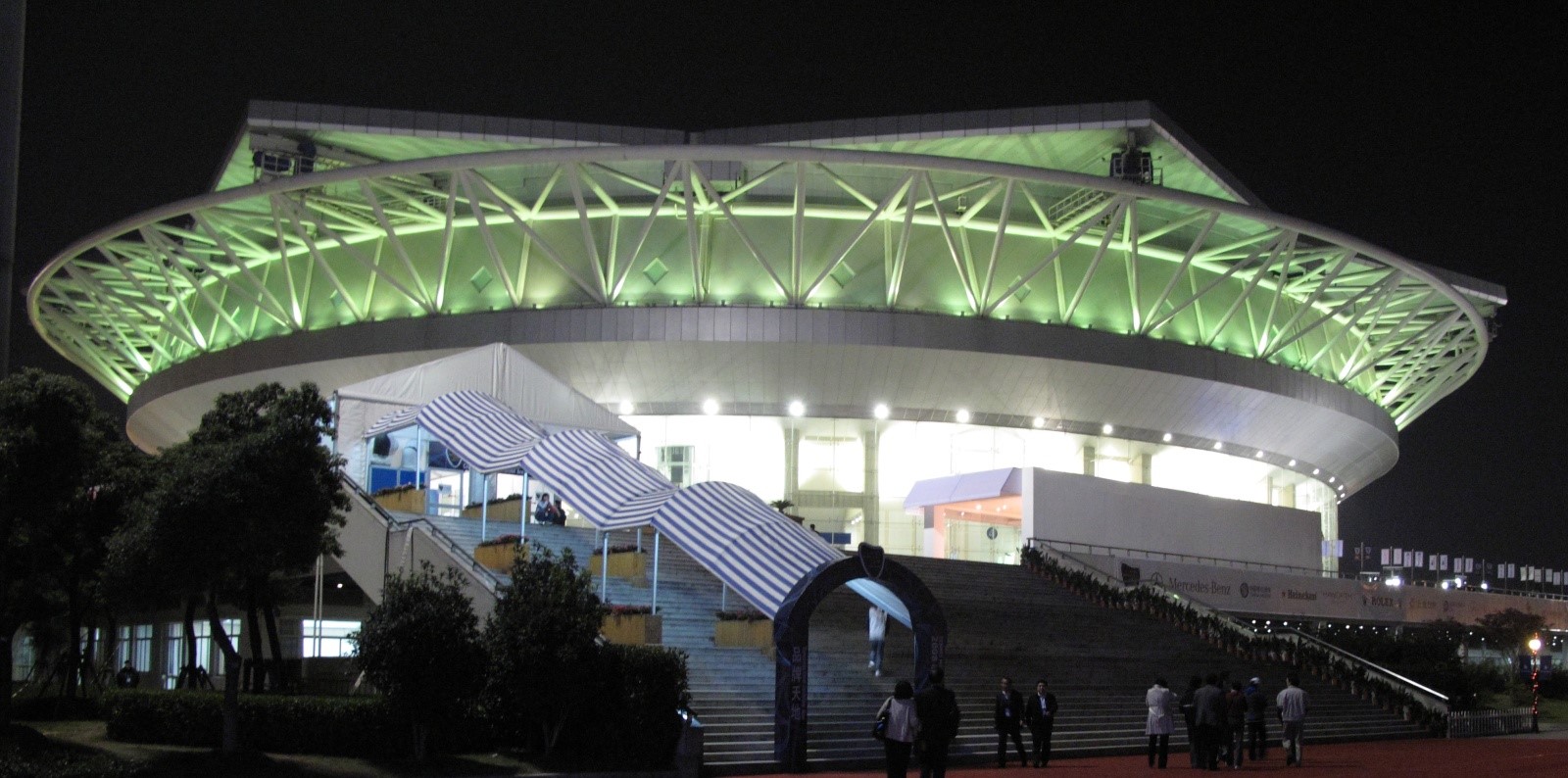
Curt Smith, CC BY 2.0
Shanghai didn't get its Masters 1000 tournament by accident, and it wasn't a first attempt. The city had already run a top-tier tennis event before — hosting the year-end ATP Finals, then called the Tennis Masters Cup, in 2002 and again from 2005 through 2008. That track record is the specific reason the ATP picked Shanghai when it moved its Hamburg Masters Series event out of Germany in 2009: tour leadership pointed directly to Shanghai's proven hosting history as the deciding factor. The 2009 Shanghai Masters became the first ATP Masters 1000 event ever held in Asia. It's still the only one that isn't played in Europe or North America.
A tournament riding a much bigger wave
What's happened since is bigger than one tournament's success. China now hosts 98 international tennis tournaments across 48 cities in a single year, and the country's tennis-court count has grown past 53,800 — the second-highest total of any country in the world. An estimated 20 million people play tennis in China today, putting the country second globally in participation, behind only the United States. This isn't one event riding a wave. It's genuine, broad infrastructure growth, backed by an official national plan explicitly targeting "100 strong tennis cities" and more Chinese professionals inside the world's top 100.
The other Chinese tournaments back this up with their own numbers. The WTA's Wuhan Open drew over 180,000 fans in a recent edition, an 80% jump from 2019. The China Open in Beijing has passed $11 million in ticket sales, a 60% year-on-year increase. Shanghai's own Masters 1000 status sits inside this wider "China Season" on the tennis calendar — not an isolated outlier, but the flagship of a genuinely growing circuit.
Why this matters if you're actually going
None of this is really about tennis history in the abstract. It's the specific, sourced reason a Masters 1000 tournament with genuinely enormous crowds happens to be the one in China, rather than a smaller regional stop. Shanghai earned its spot by hosting well first. The sport's growth here caught up to match it afterward — and arguably, that ordering is what makes Shanghai's crowds feel different from a newer host city's: this is a city that already knew how to run a major before the boom arrived, not one improvising its way through a first attempt at scale.