History
Why Eau Rouge Still Terrifies Drivers, Decades Later
Formula 1·2 min read·July 27, 2026
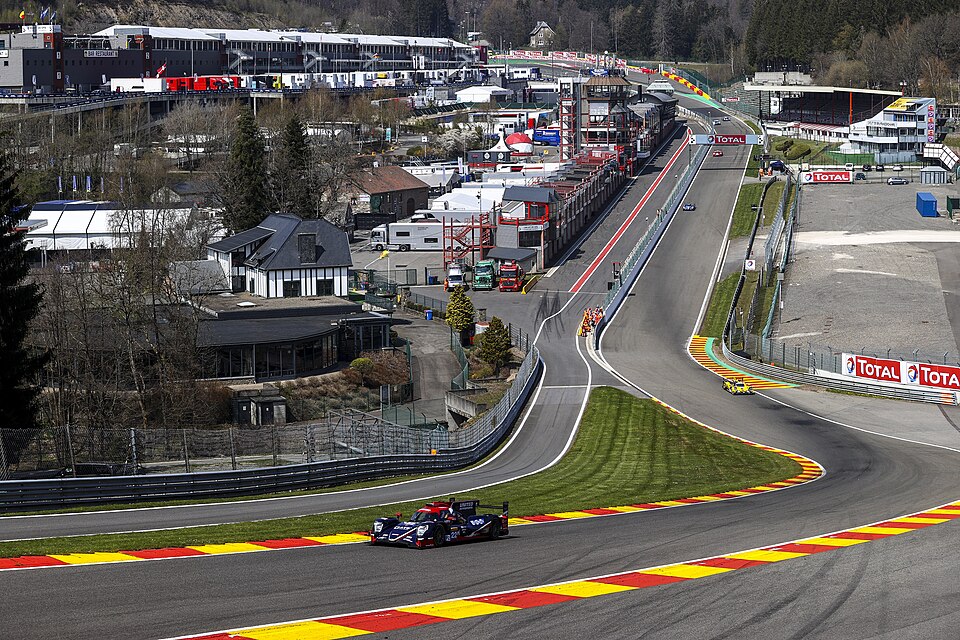
Eau Rouge is a left-right-left kink that takes about five seconds to drive through. Every F1 driver on the current grid will tell you it's one of the defining corners of their season.
Where the name comes from
The corner is named for a real stream — Eau Rouge means "red water" in French, after the iron-rich water that runs beneath the track. It's been part of Spa-Francorchamps since the world championship began in the 1950s, though it didn't start as the corner drivers know today. The original layout was a sharper left-hander; officials reshaped it into the uphill sweep that exists now specifically to let cars carry more speed through it.
Why it's stayed dangerous even as it got safer
The track has been rebuilt around Eau Rouge more than once. In the 1950s and 60s there was barely any barrier at all — just a stone wall on the outside of the bend, and at least one driver reportedly met an actual road car mid-corner during practice. Armco barriers and catch fencing came in the 1970s after drivers pushed for it. After Ayrton Senna's fatal accident at Imola in 1994, Spa installed a temporary chicane through Eau Rouge for one season, then removed it again with other safety changes instead.
None of that made the corner easy. In 1999, Jacques Villeneuve and his BAR teammate Ricardo Zonta both crashed there in the same session after daring each other to take it flat-out — a wall reposition had made the corner look easier than it actually was.
The corner hasn't stopped being lethal
In 2019, Formula 2 driver Anthoine Hubert died in a crash at Raidillon, the uphill section immediately after Eau Rouge, when his car — already hit once — came back onto the racing line and was struck by another car at high speed. The FIA's own investigation pointed to a right rear tyre losing pressure on a different car as the likely trigger for the chain of events. It remains one of the more serious reminders that a corner this fast, at this angle, doesn't get fully tamed just because modern cars are better than the ones that raced through it in 1960.
Every current driver still talks about Eau Rouge with something close to reverence. Whatever the safety numbers say, taking it flat-out is still treated as an achievement, not a given.