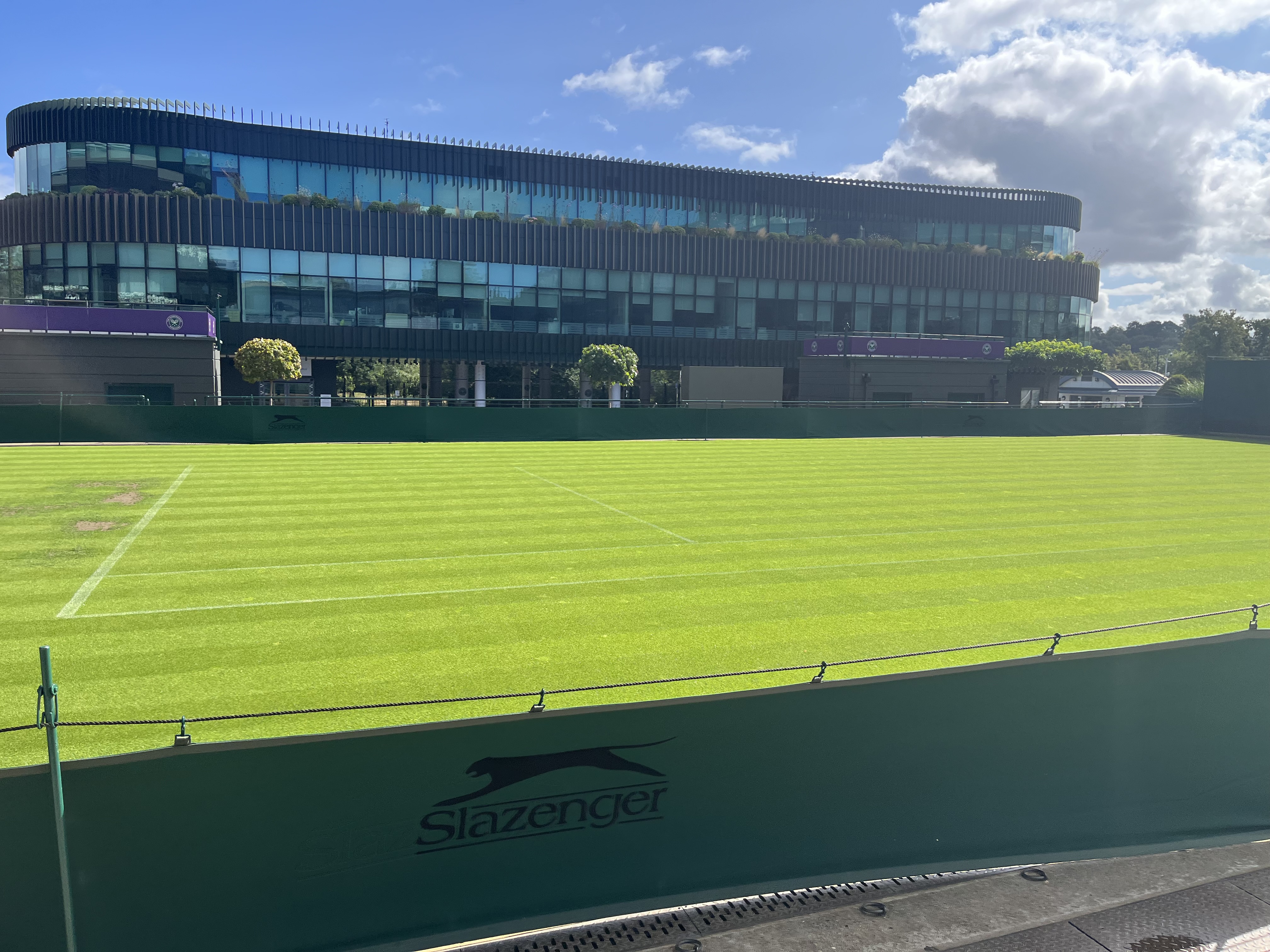
Somewhere between 10am and midday on any day of the Championships, the players competing that afternoon or the following morning will be on the Aorangi Park practice courts. Running through the preparation session that's the most unfiltered version of what they actually do. No crowd expectations. No line calls contested. Just the specific work each player has figured out over years of tournament play.
The Aorangi Park complex — 14 grass courts on the western edge of the AELTC grounds, behind Aorangi Terrace — is accessible to spectators with a grounds pass. There's a viewing bank around several courts that lets you stand or sit and watch a world number one hit full groundstrokes from about ten metres away.
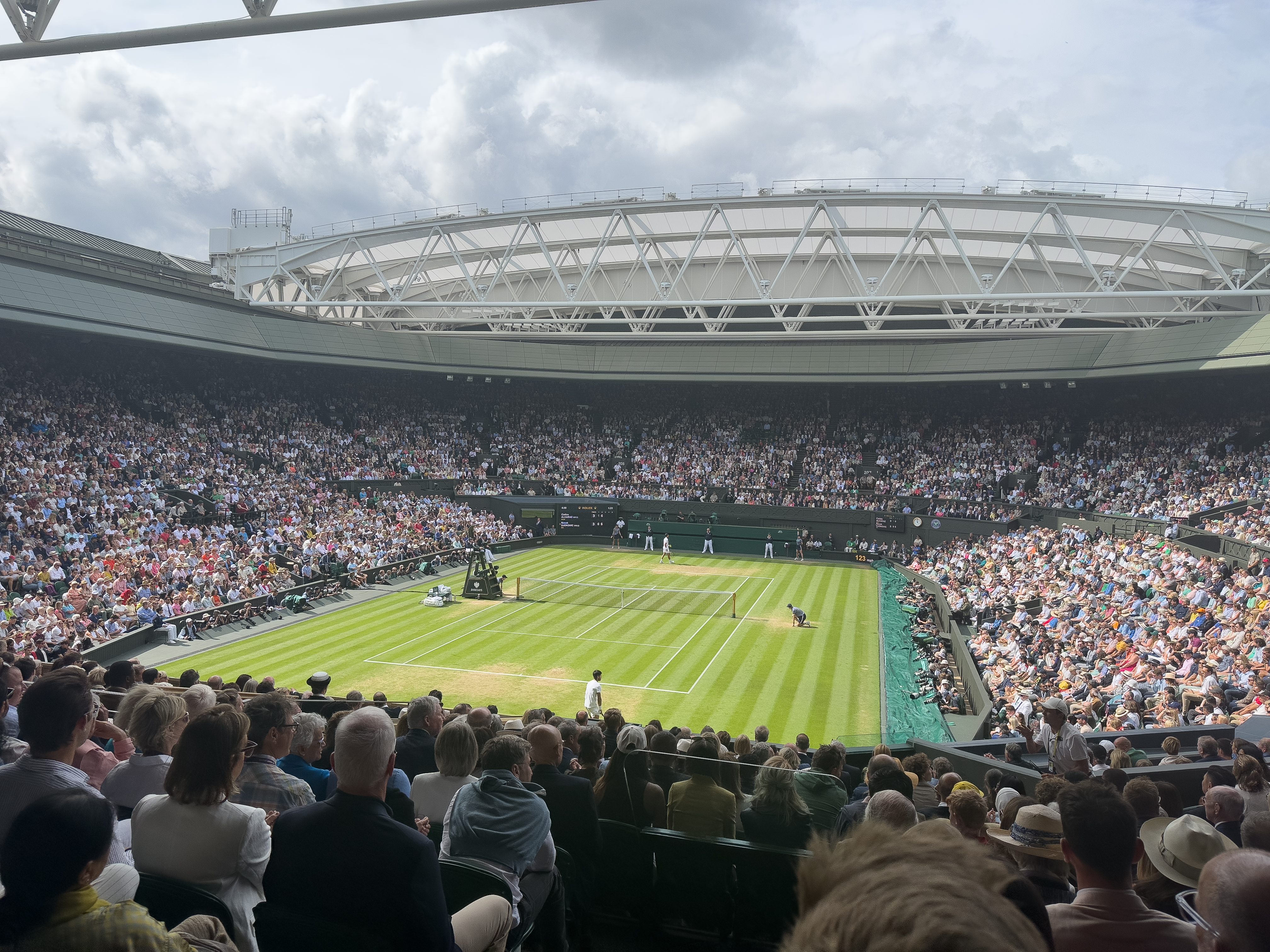
Ten metres from a professional tennis player hitting at full pace on grass is not a casual proximity. It's a genuinely different distance from anything you get inside a stadium. The sound of the ball off the racket comes through in a way that no broadcast captures. The force of the shot, the height of the kick on a second serve, the recovery speed between points — these are legible here in a way that Centre Court, for all its drama, doesn't deliver.
The practice sessions have no fixed schedule published for spectators. Players and their coaching teams book courts, and which player is on which court at any moment depends on the draw, the day's order of play, and what each individual needs. Some days Aorangi is full of activity across multiple courts simultaneously. Other days it's quieter. The practical approach: check the day's order of play on the Wimbledon app that morning. Players typically practice within 24-48 hours of their next scheduled match — arriving at the courts between 10am and noon gives you the best chance of finding someone specific.
The session when a player is preparing for a significant match is different from a casual hit. The coaching staff are closer in, more focused. The shots being drilled — a specific slice backhand, an inside-in forehand from the deuce side, a particular serve pattern — reveal something about the opponent they're thinking about. You don't need to analyse this consciously. You feel the intensity as soon as you're standing near it.
The other thing the practice courts provide is proximity to the touring professionals as people rather than figures on a screen. After a session, some players sign autographs or take photographs with fans at the courtside fence. Others don't. There's no official guidance on this — patience and not blocking anyone's exit are the relevant rules. Some of the most significant interactions fans describe from Wimbledon visits happen here, not in the show courts.
Adjacent to the practice complex, the Aorangi Restaurant is a mid-range option for lunch inside the grounds with shorter queues than the main food areas. If you're planning a long morning at the practice courts before the afternoon's outer court session, this is worth knowing as a lunch stop.