The US Open runs for two weeks and hotels near Flushing Meadows fill months in advance. The question is not just which hotel but which neighbourhood to base yourself in — and the honest answer depends on what you want from the trip.
Option 1: Flushing
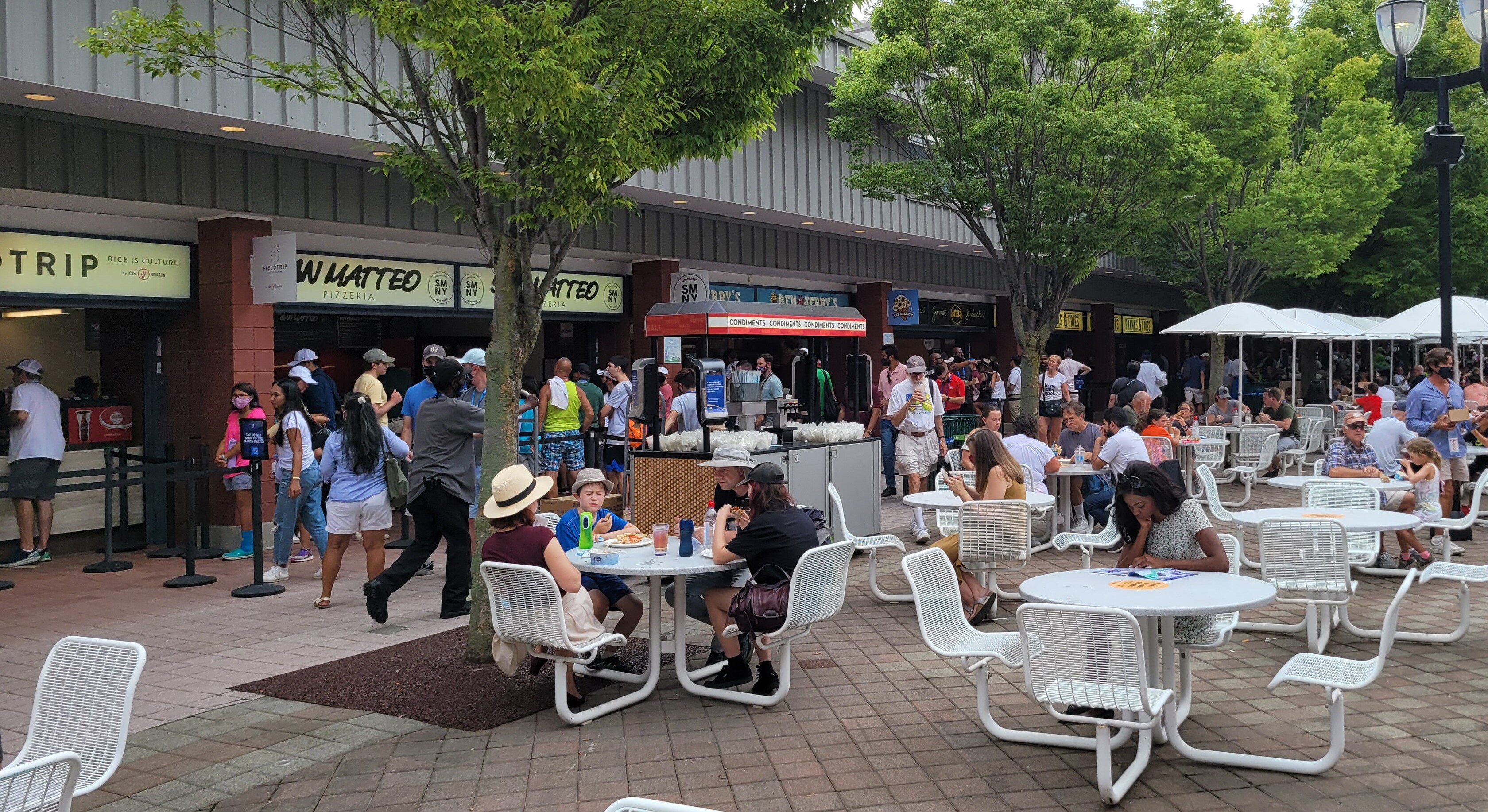
Flushing is the most convenient base. Four Points by Sheraton Flushing (33-68 Farrington Street) is within a 15-minute walk of the USTA gates, the 7 train is at Main Street for everything else, and you're in the middle of the food ecosystem that makes this tournament distinctive. See live rating and reviews on Google Maps The neighbourhood itself — the largest Chinatown outside of China, per many accounts, with Taiwanese, Shanghainese, and other regional cooking concentrated along Main Street and Roosevelt — is worth being embedded in rather than commuting to.
The tradeoff: Flushing hotels are not characterful. They're newer, efficient, and built for the business traveller who ends up in Queens for a trade show at the convention centre. Expect clean rooms, functional service, and limited lobby or common area quality. The neighbourhood is what earns its place.
Option 2: Long Island City
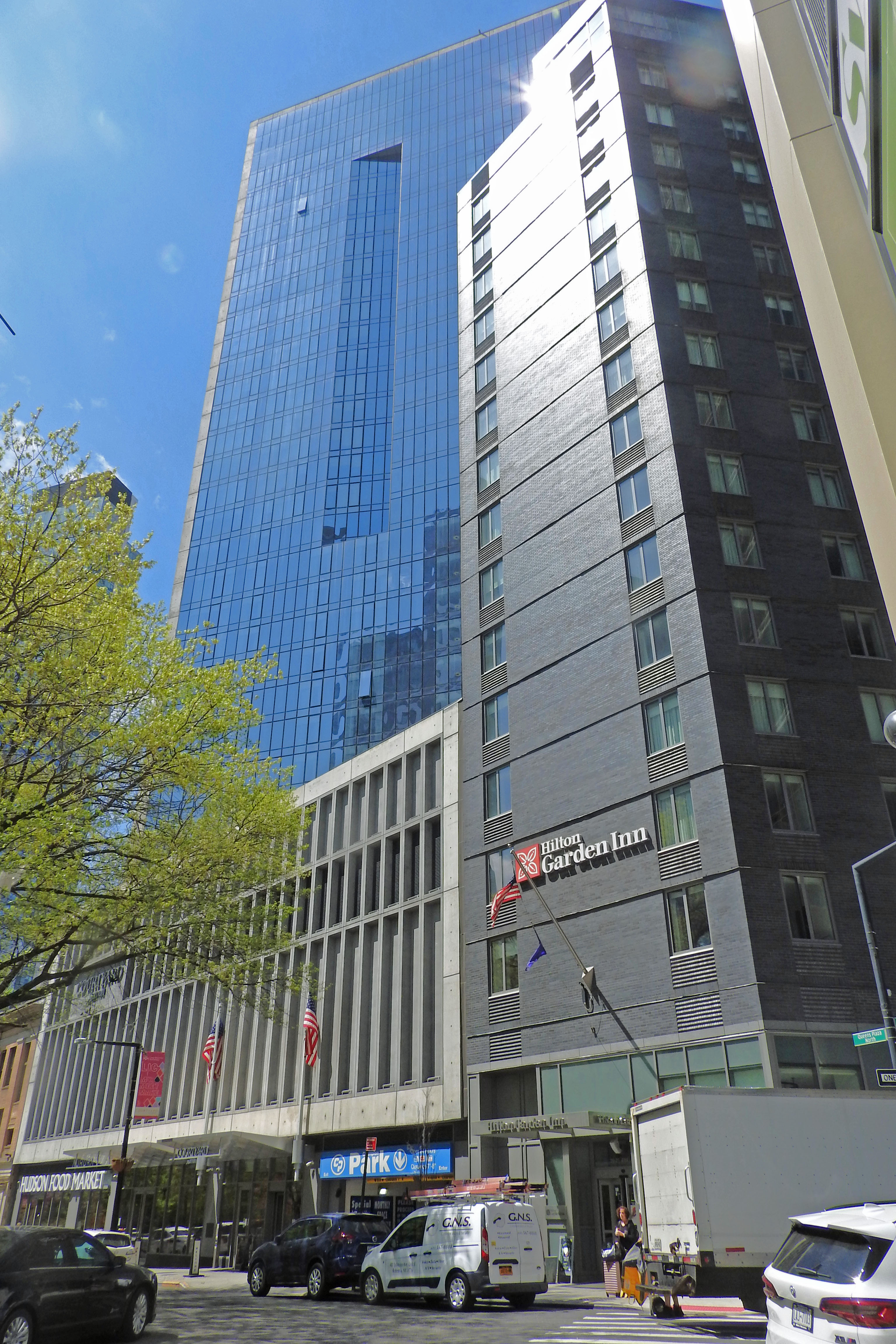
Long Island City (LIC) is two stops on the 7 train from Mets-Willets Point, putting you 15–20 minutes from the tournament gates with a direct line and no transfer. Boro Hotel and Hilton Garden Inn LIC are the strongest options here — newer, more design-forward, and often better value than equivalent Manhattan rooms. See live ratings: Boro Hotel · Hilton Garden Inn LIC The neighbourhood has a different quality from Flushing — more residential and post-industrial, with waterfront parks that look directly at the Midtown Manhattan skyline.
For a US Open trip where you want convenience to the tournament plus a more interesting base than a Flushing business hotel, Long Island City is the strongest option.
Option 3: Midtown Manhattan
The obvious choice for visitors combining the US Open with a broader New York trip. Hyatt Grand Central New York (109 East 42nd Street) is the standout pick if you're going this route — it sits directly above Grand Central Terminal, putting you on the same 7 train that runs straight to Mets-Willets Point with no transfer, 38–42 minutes door to gate. That's still 80 minutes of transit for each full day at the tournament, but at least it's a single, direct ride rather than a connection.