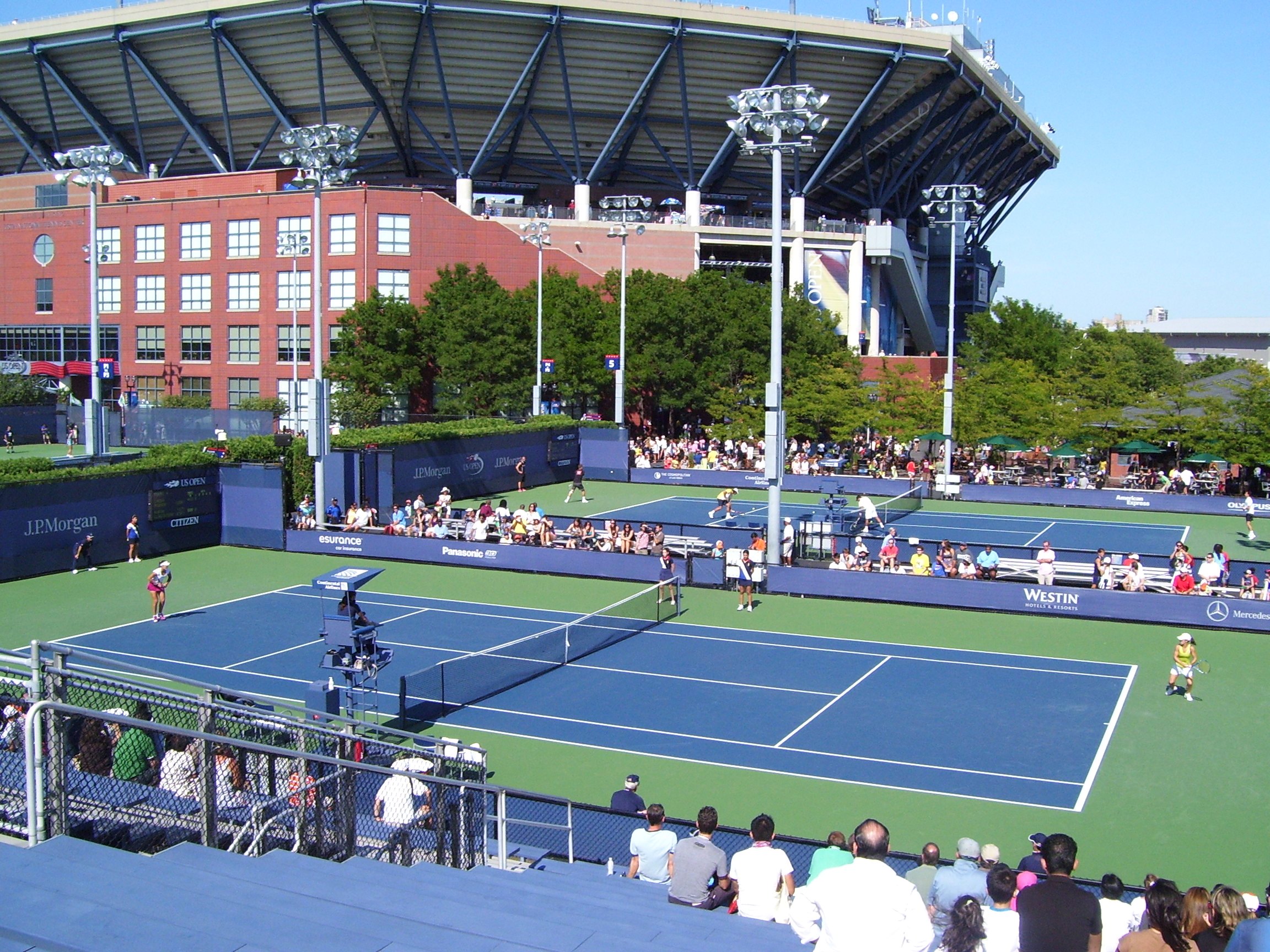
The US Open practice facility is on the eastern side of the USTA Billie Jean King National Tennis Center grounds, a short walk from Arthur Ashe Stadium. It has 12 practice courts and, during the first week of the tournament, you can stand at the fence within arm's reach of players ranked in the world's top 10 going through their pre-match routines.
When to go
Morning is the window. Arrive at the grounds when gates open (around 11am for day session grounds passes, but practice begins earlier — check the USTA schedule for practice facility opening times, typically 8am or 9am). The hour before the day session starts is when the most interesting practice activity happens: players warming up for that day's match, working on specific shots, finishing off their preparation. After noon, most of the practice courts clear out as the session has already started.
A grounds pass covers access to the practice facility without any additional ticket. The one advantage over the main stadiums is proximity — the practice courts have no fixed seating, so you stand at the fence and you are genuinely close to the court.
What you'll see
In the first week, expect to see players ranging from seeds 10 through 30 using the practice facility, alongside unseeded players and qualifiers. Top seeds (1–5) typically have designated practice times and courts that attract larger crowds, but the total practice facility crowd is much lighter than the main stadiums, and the access is proportionally better.
Doubles teams also practice here, often at times when singles players are in session. If you're interested in doubles, the practice facility is the best opportunity to watch the best players in that format up close.
Practical notes
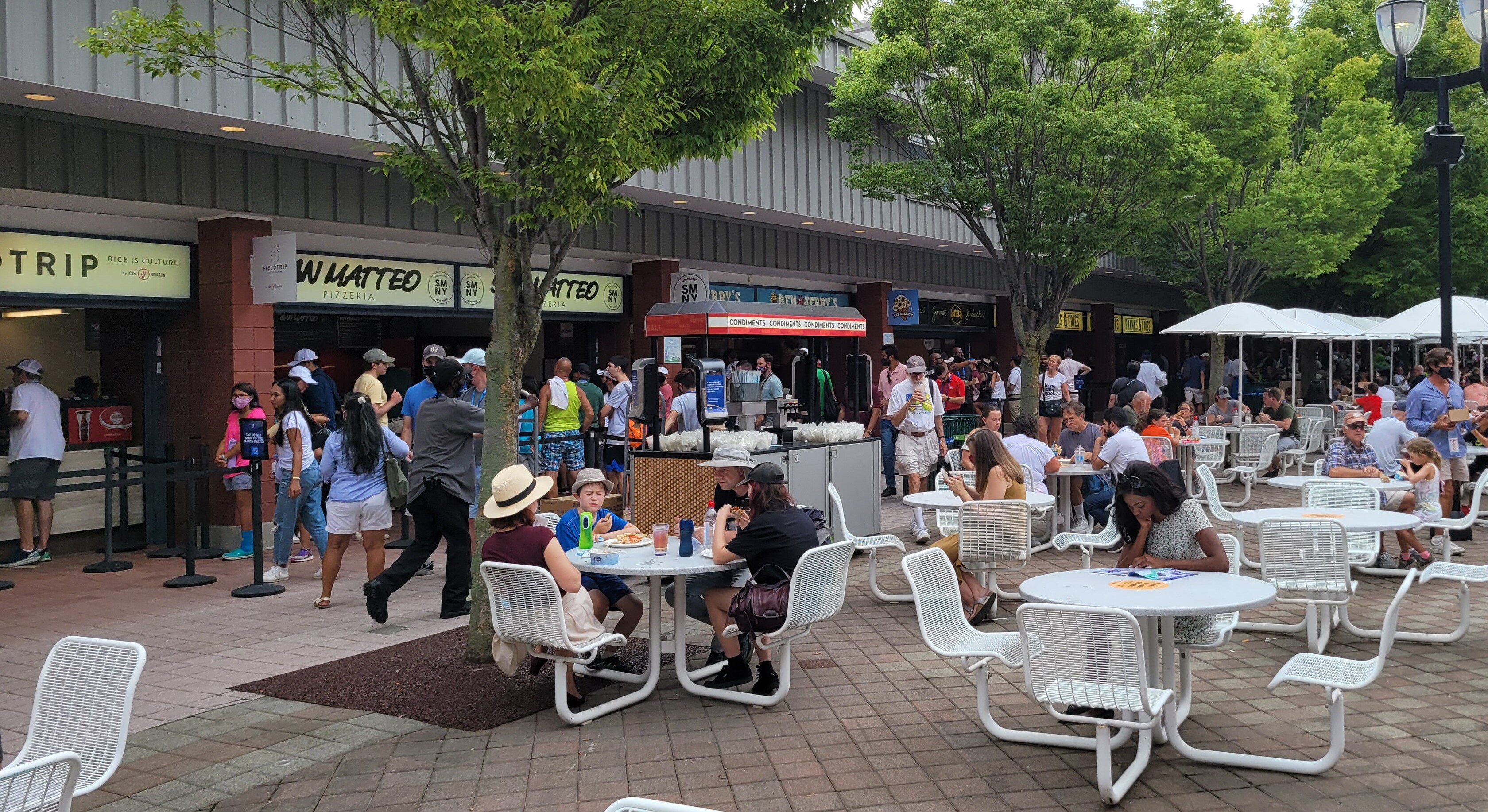
Bring water — the practice facility courts are exposed, and August heat is direct. Shade is limited. Early morning is comfortable; by 11am it can be genuinely hot. A hat is not optional. The practice facility has no dedicated food concessions, but the main grounds concourse is a short walk.
Why it's special
Practice court access at the US Open is better than any other Grand Slam. At Wimbledon, the practice facility at Aorangi Park is accessible but the AELTC limits close access carefully. At Roland Garros the practice areas are separated from the main crowds. The USTA has a relatively open policy — grounds pass, morning, the practice facility — that puts fans genuinely close to players in a setting that doesn't exist elsewhere at this level of the sport.