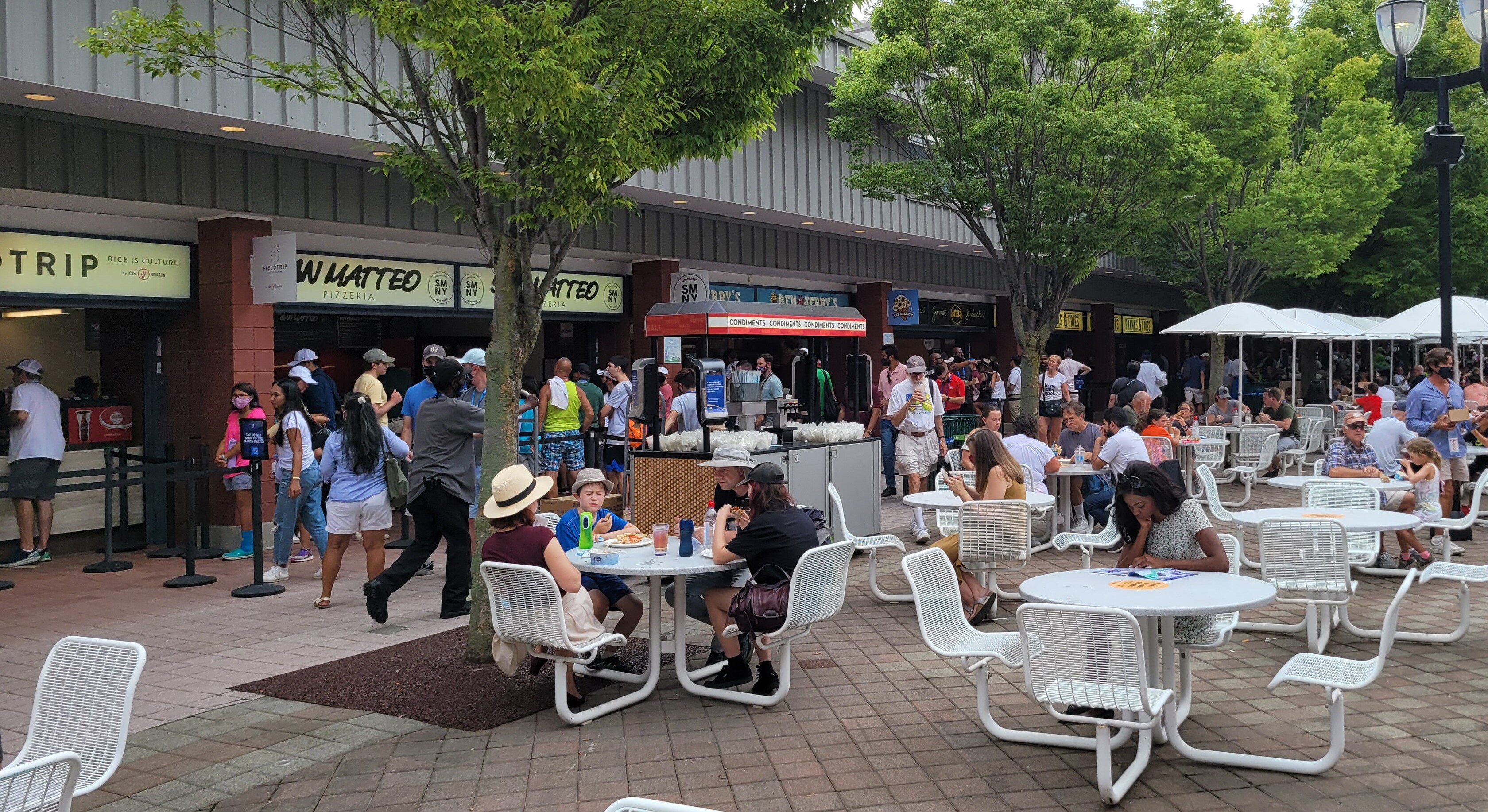
The US Open doesn't ask you to behave like you're at Wimbledon, and that's deliberate, not an oversight. There's no formal spectator dress code — the tournament's own guidance is closer to "dress up if you want to," and the only real rules are that shirts and shoes stay on and nothing offensive gets worn. What you'll actually see ranges from tennis-core polish to shorts and a t-shirt, and neither reads as wrong.
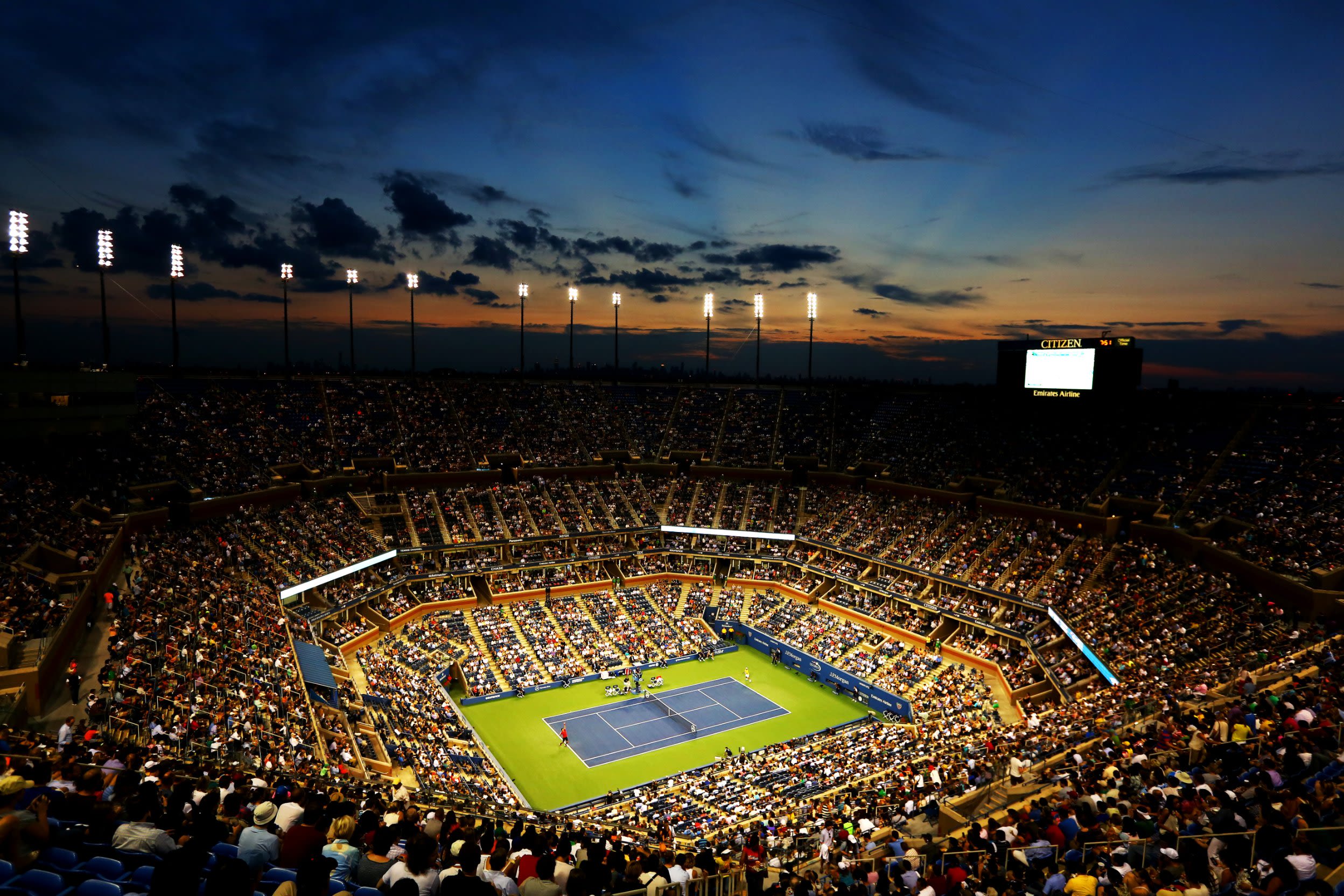
The bigger difference is how the tournament sounds. Most Grand Slams, French Open included, expect real quiet during points — stewards who actively enforce it, not just a polite convention. The US Open runs the opposite philosophy on purpose: music plays between points on the show courts, crowds are openly encouraged to be loud, and the atmosphere on a packed Ashe night session reads closer to a soccer match than a traditional tennis crowd. It's genuinely divisive even among players — some love the energy, others have said outright that it's a different, louder environment than anywhere else they play. Know this going in rather than being thrown by it: cheering mid-rally, between-point music, and a crowd that doesn't go silent on command are all part of the intended experience here, not a breach of etiquette.
That said, real rules do exist and get enforced. Bags are capped at 12"x12"x16", one per guest, with no on-site storage for anything bigger — backpacks specifically are not allowed with very limited exceptions. Umbrellas can't be held open during play, which matters on a showery day since you'll need to close it or step under cover rather than watching from your seat with it up. And once a point is actually in progress, the "anything goes" atmosphere has a real limit: moving around the stands, talking loudly enough to distract players, or recording video for long stretches has gotten matches genuinely paused by the chair umpire in recent years, so the looseness has a ceiling even if it's a higher one than other majors.
The honest first-timer mistakes here are about logistics more than etiquette. Showing up without checking the Schedule of Play on the official app and missing a specific player's practice session. Treating the grounds as a one-stadium visit and never walking the outer courts, where some of the tournament's best, closest-up tennis actually happens. Wearing shoes that aren't built for a full day of walking real distances between courts. And underestimating New York's late-summer humidity on a day session with no roof overhead — see the Weather guide for the real numbers.
Why it's special
Every other Grand Slam first-timer's guide spends its energy explaining what to wear and how to behave, because most majors genuinely do expect a certain decorum. The US Open is the one major that built its whole identity around rejecting that decorum on purpose, and a first-timer's guide that doesn't say so upfront is setting someone up to feel like they're doing it wrong when they're actually doing it exactly right. There's something almost refreshing about a Grand Slam that put a cocktail named after a scoring term into the hands of tens of thousands of fans and leaned all the way into the noise rather than fighting it. This isn't a lesser, less serious version of tennis — Ashe at night with 23,000 people loud about it is one of the genuinely great atmospheres in American sport. Knowing that before you walk in changes the whole trip from "am I allowed to do this" to "oh, this is the point."