Stavelot is the town closest to the circuit gates — roughly 3km from the entrance, a 10-minute drive. Most visitors to the Belgian GP pass through it without stopping. That is a mistake.
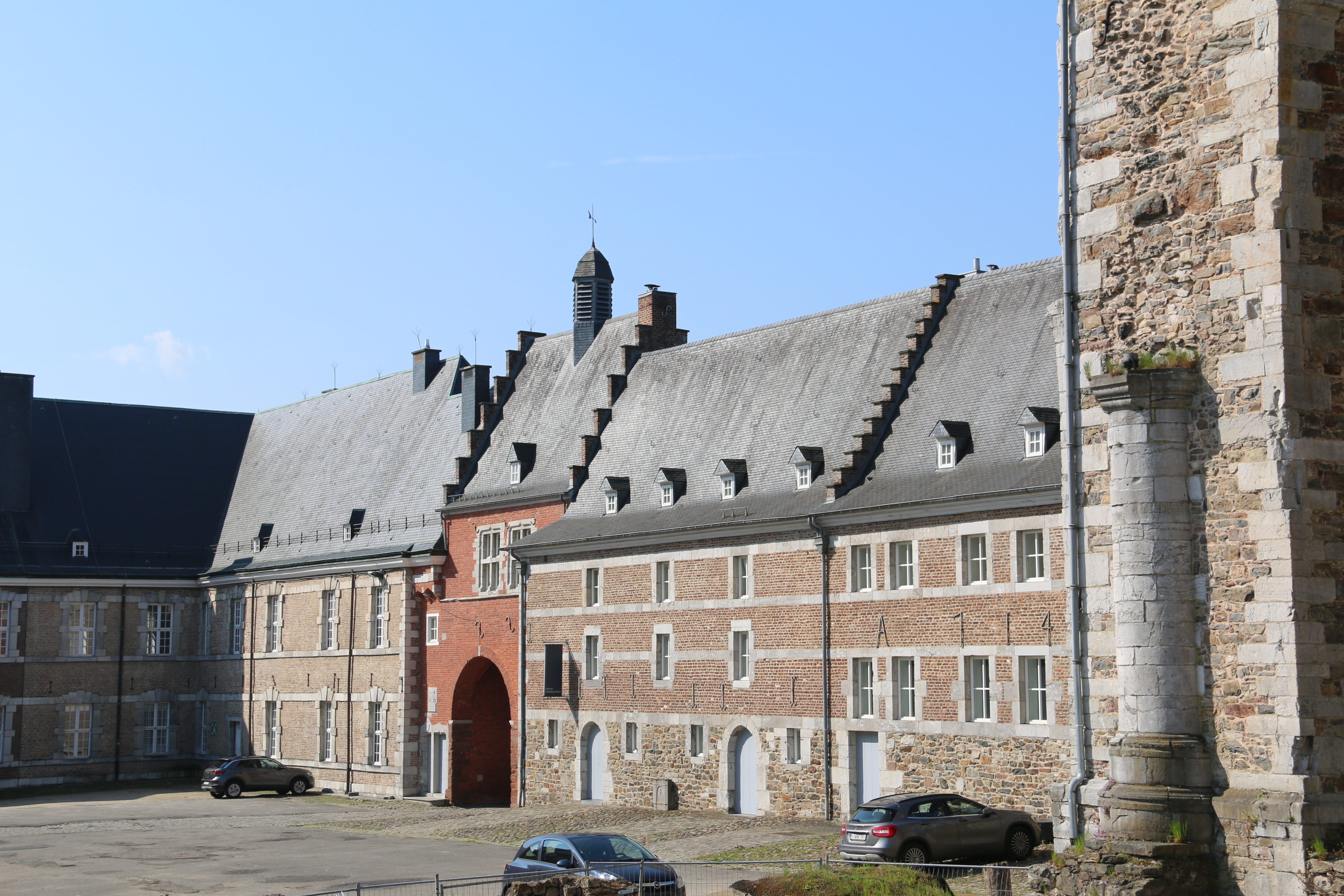
The abbey is the reason to stop. Founded in 651 AD by Saint Remacle, it became one of the most powerful ecclesiastical principalities in medieval Europe, controlling a territory that extended well beyond modern Belgium. The French Revolution largely dismantled it; what remains is an 18th-century monastic complex built around the ruins of the original 11th-century church, its foundations now excavated and visible at ground level. The complex houses three separate museums under one admission (€11 adult, €9.50 concessions, under-6 free), open daily 10:00–18:00, last entry 17:00.
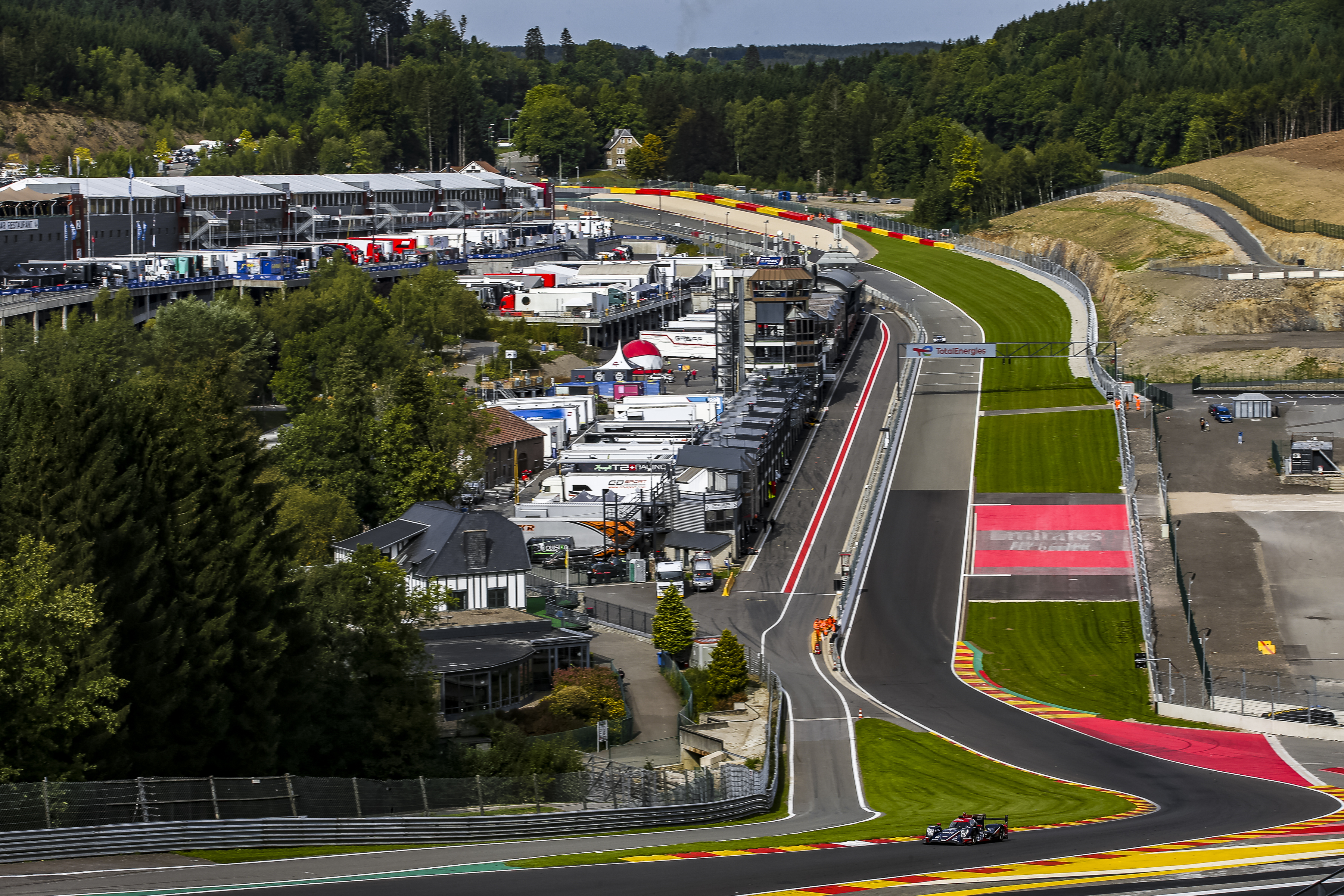
The Spa-Francorchamps Circuit Museum occupies the abbey's vaulted cellars. It covers 100 years of circuit history through working vintage racing cars — Minardi, Lotus, and Arrows F1 cars among them, alongside endurance vehicles from the 24-hour race. There is a large circuit model and PS4 simulators for a virtual lap. For anyone at the Belgian GP, this is the most specific context you can get for the circuit you just watched: the corner by corner history, the cars that raced it across decades, the accidents and records that define its reputation. Budget 30 minutes to an hour; more if the simulators have a queue.
The Historical Museum of the Principality of Stavelot-Malmedy covers the abbey's political and religious history from the 7th to the 18th century through manuscripts, artefacts, 3D reconstructions, and portraits of the abbots who ran what amounted to an independent state. It takes 1.5–2 hours if you engage with it properly. The Guillaume Apollinaire Museum is the third component — the only museum in the world dedicated to the French poet, who spent the summer of 1899 here at age 19 with his mother (who was drawn to the Spa casino nearby). The 2026 temporary exhibition, running through November, covers Japanese woodblock printing and manga.
Beyond the abbey, the town itself is worth an hour. Place Saint-Remacle, the main square, is cobbled slate and Ardennes limestone with an 18th-century fountain at its centre. The Vinâve district — the oldest part of town — is a cluster of narrow alleys with slate-clad houses and a 1777 stone fountain. Église Saint-Sébastien on the square holds the reliquary shrine of Saint Remacle, a 13th-century Mosan goldsmithing piece two metres long that is one of the finest medieval objects in the region.
For food, La Table de Figaro (Rue Général Jacques 20) is the most reliable dinner option in Stavelot — Belgian and French classics, book ahead for race weekend evenings. Acqua Rossa on Route du Circuit is specifically positioned for the race crowd and stays open late. Both fill from reservations on Saturday and Sunday; Thursday and Friday are more manageable without advance booking.