Timur Weber
The US Open Briefing
Tickets, heat, bags, and apps — what first-timers get wrong and how to sort it before you arrive in Flushing
Tickets
The US Open has two types of ticket:
*Grounds passes* give access to the entire USTA grounds — outer courts 4 through 17, the practice facility, all food and retail areas — but not reserved seating in Arthur Ashe or Louis Armstrong stadiums during sessions. They are the right ticket for people who want to move around, watch multiple matches, and spend time on the outer courts. In the first week of the tournament, grounds passes run around $40–$60 (prices vary by day and fluctuate). They go on sale at usopen.org and through the US Open app, typically in the spring.
*Reserved session tickets* get you a specific seat in Arthur Ashe or Louis Armstrong for a specific session (day or night). These are the tickets for the main stadium experience. Night session tickets in the second week — when the quarterfinals, semifinals, and finals are scheduled — book out months in advance. Day session tickets in the first week are more accessible but still sell out for popular matchups.
Both are available at usopen.org. Do not use secondary market platforms during peak demand without checking the official site first.
Heat
August in Flushing is hot and humid. The USTA has an extreme heat policy that can pause outdoor play on outer courts, but the sun and temperature are present regardless. Non-negotiable items: - Sunscreen, applied before you arrive and carried to reapply - A hat with a brim — the courts are exposed with no natural shade - A refillable water bottle — free water stations are distributed throughout the grounds, and staying hydrated is practical, not optional - Loose, light-coloured clothing — the dress code is casual; there's no Wimbledon white requirement
Bag policy
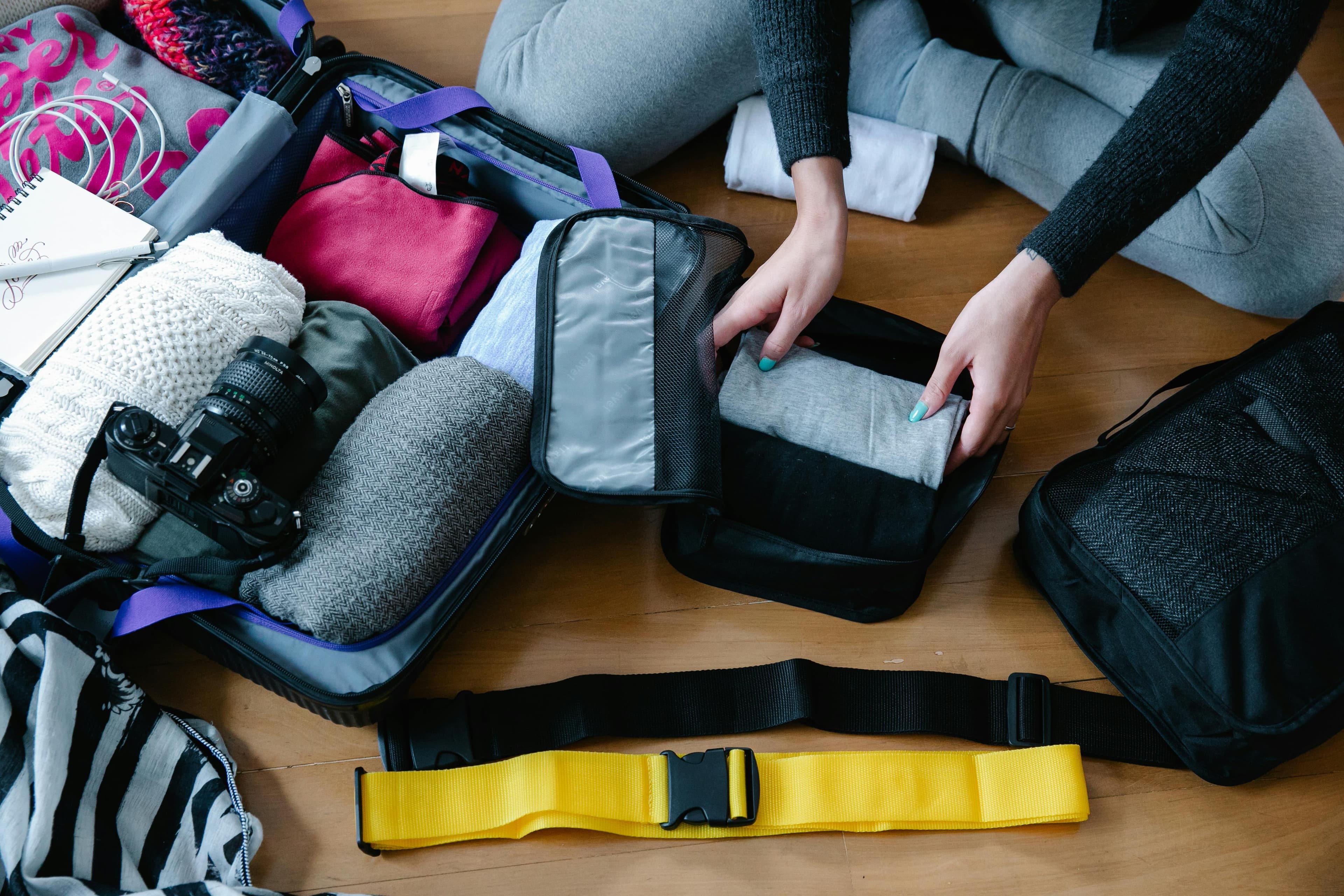
The USTA enforces a strict bag policy. Bags must be soft-sided and no larger than 12 inches × 16 inches × 8 inches. Hard-sided bags, backpacks over that size, and large coolers are not permitted. Collapsible reusable bags and smaller daypacks are fine. Security lines are managed well but move slower with large bags — the correct approach is a small bag and no surprises.
What else to bring
Layers for the evening — if you're staying for a night session, temperatures in August can drop noticeably after dark, and the stadium air conditioning (when the roof is closed) is cold. A portable phone charger is useful for a full day. The US Open app (free, iOS and Android) has real-time match scores, court assignments, and delay notifications — worth downloading before you arrive.
Photography
Point-and-shoot cameras and mobile phones are permitted anywhere on the grounds. Professional equipment (detachable telephoto lenses longer than 6 inches) is not. Video recording during matches is limited to personal use.
Food and drink you can bring in
The USTA allows sealed, factory-sealed plastic water bottles (up to 591ml / 20oz) through security. Empty reusable bottles are permitted and free water refill stations are positioned throughout the grounds — this is the practical option for a full day in August heat. No glass containers, no cans, and no alcohol brought from outside.
Food is allowed in. The rule: modest quantities in clear, resealable plastic bags or transparent packaging. A sandwich, snacks, and a small meal for the day are all fine. Full picnic setups and large soft coolers exceed the bag policy (12 × 16 × 8 inches) — keep it to a compact bag and you'll be fine. No glass jars.
In practice: bring your own lunch in a ziplock or clear bag, an empty reusable bottle, and buy the Honey Deuce inside. You'll spend less and eat better than if you rely entirely on the concession stands.
Useful apps and accounts
*US Open app* (iOS / Android) — real-time scores, court-by-court schedules, weather-triggered delay notifications, and the draw updated live. The single most useful thing to have open on your phone during the day.
*X / Twitter @usopen* — the official account pushes schedule announcements, match results, and rain delay updates faster than any other channel. The tournament hashtag (#USOpen) is also where the tennis community watches along in real time — useful during a close fifth set.
*Instagram @usopen* — behind-the-scenes footage, player practice clips, and the best visual coverage of the grounds atmosphere. Less useful for live match information, worth checking the morning before your session for player-arrival content.
*The Score app* — live point-by-point scoring for every match on the grounds, with server stats and recent form context. The best alternative to the official app if you want to track multiple matches simultaneously — useful when you're at Louis Armstrong and want to know what's happening on Ashe.
*ESPN app* — if you have an ESPN subscription, live streaming of select matches is available. Useful in the stadium when you want to catch a match on a different court without physically moving.
Why it's special
The practical knowledge gap between a first US Open visit and a second one is significant. The first visit, people get the bag wrong at security, don't have sunscreen, buy overpriced water because they didn't bring a bottle, and find out the hard way that night session tickets sold out in February. The second visit, they have a grounds pass for the morning outer courts, reserved seats for the evening session, a hat, and a plan for the Honey Deuce.
This section exists to compress that learning. The US Open is a straightforward event to navigate once you know how it works — the USTA has invested heavily in the fan experience, the signage is clear, and the staff are helpful. The prep is the bit that most guides underweight.
Insider tips
- 1
The bag size limit is 12 inches × 16 inches × 8 inches, enforced at security. Pack a smaller bag than you think you need and check the measurement before you leave your hotel — a rejected bag at the front of the security line costs everyone time.
- 2
Download the US Open app before leaving your hotel. It has live court assignments, match schedules, and delay notifications — the most useful single tool for navigating the day.
- 3
Grounds passes and reserved session tickets are completely separate purchases. A grounds pass does not get you into Arthur Ashe or Louis Armstrong reserved seating. A session ticket does not cover the outer courts without the grounds pass component — read the ticket description carefully.
- 4
Apply sunscreen before you arrive and carry it for reapplication. The outer courts and practice facility are fully exposed, and the August sun in Flushing is direct from mid-morning onwards.
- 5
The US Open website (usopen.org) is the correct source for tickets. During peak demand, third-party sites list above face value. Check the official site first.
Practical info
What to avoid
Don't arrive at the gates with a bag that hasn't been size-checked — the inspection is consistent and a non-compliant bag means going back to wherever you came from. Don't assume the order of play is fixed; it's announced around 6pm the evening before, and checking the app that evening is how you know what you're actually watching the next day. Don't confuse the two ticket types (grounds pass vs reserved session) and end up at the wrong gate for the wrong area — the distinction is clearly labelled on the ticket but easy to overlook when buying in a hurry. And don't buy bottled water on the grounds; the free filling stations make it unnecessary.