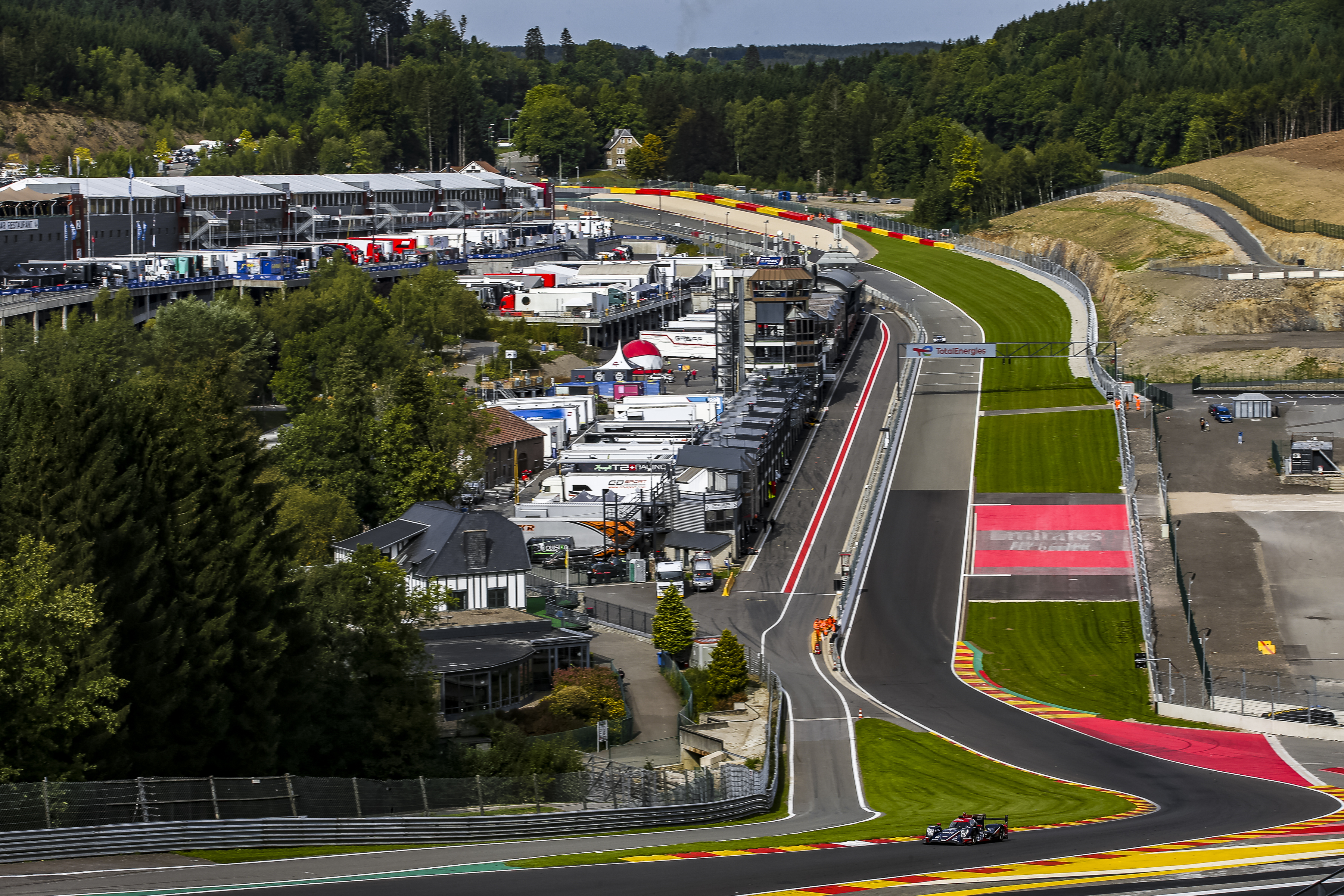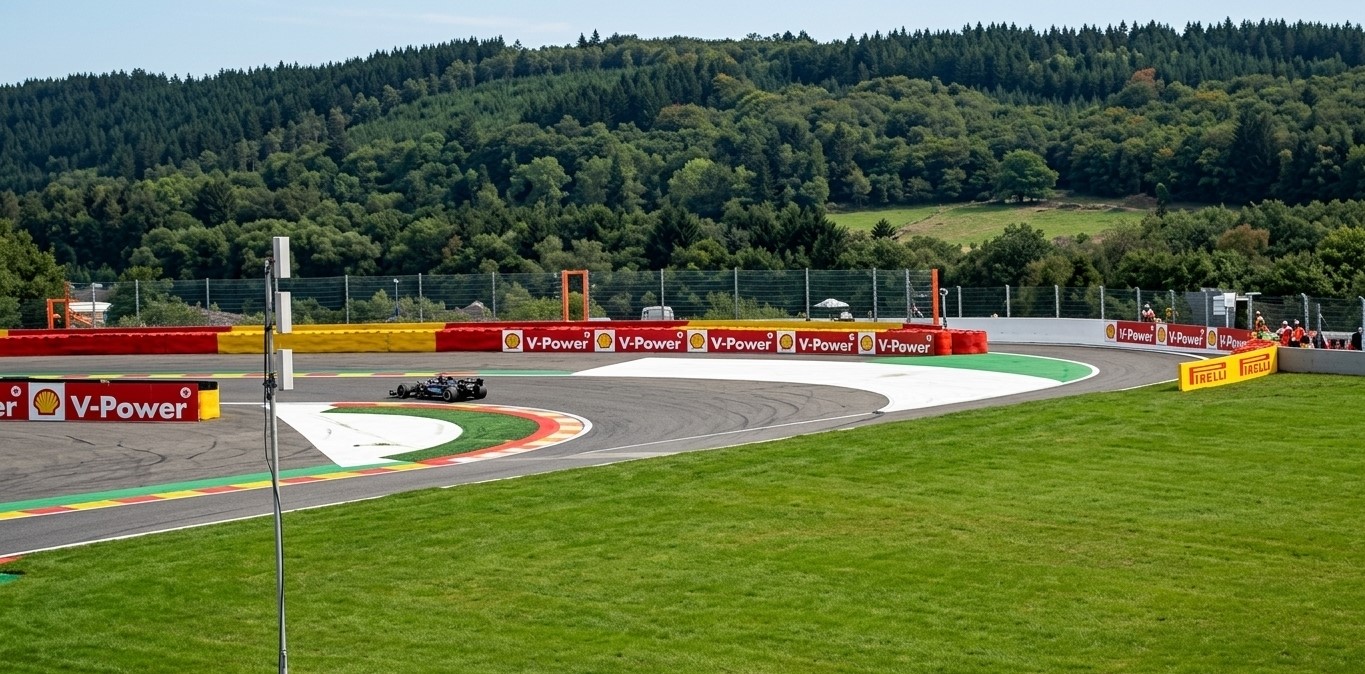
Les Combes sits at the top of Spa-Francorchamps' longest and most important straight, where the Kemmel Straight — a kilometre of uphill acceleration after Eau Rouge and Raidillon — finally runs out of road. Cars arrive here at well over 300km/h, DRS open, and have to shed most of that speed in a matter of seconds for the tight left-right sequence that follows. Along with the Eau Rouge/Raidillon complex, this is one of the two places our own Belgian GP Ticket Guide identifies as where the race is genuinely decided.
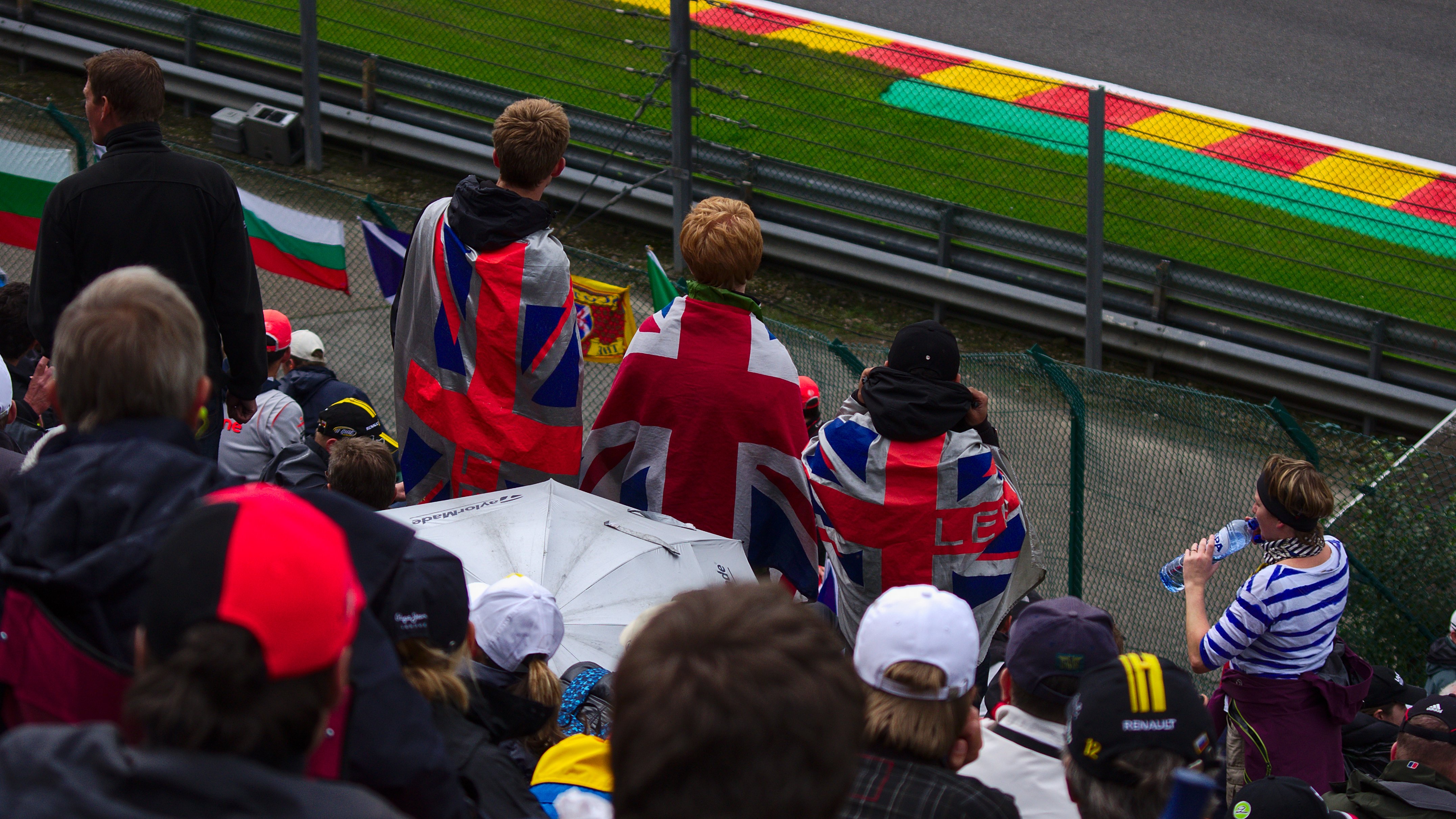
Four grandstands sit here, numbered Combes 1 through 4, positioned between the exit of Malmedy and the entry to Rivage/Bruxelles. They're priced and specced slightly differently: Combes 2 and 3 are covered (a 2026-onward addition — both stands were previously open to the weather), while Combes 1 and 4 remain uncovered. All four give a close, ground-level view of the braking zone itself — cars arriving flat out, drivers committing to a late brake or backing off, and the overtakes that follow when one car catches another napping on the entry.
This is a genuine overtaking zone, not just a fast corner to watch cars pass through. The DRS zone that starts after Raidillon runs the length of the Kemmel Straight specifically to set up a pass here — so what you're watching from Les Combes is the payoff of a move that's been building since the cars left Eau Rouge. On a good lap, you'll see a driver commit to an overtake under braking, defend, or lock a wheel trying to make the move stick. It's one of the few places on the calendar where braking performance under pressure, not raw straight-line speed, decides the outcome.
Les Combes also sits conveniently between the circuit's Bronze (general admission) and Silver grandstand tiers in both price and experience — close enough to the campsites that regulars treat it as a practical middle-ground choice, not requiring the premium of a Gold grandstand to get a genuinely good view of real racing action.
Why it's special
Spa-Francorchamps has two corners that define the circuit's reputation: Eau Rouge/Raidillon for its physical demand on drivers, and Les Combes for what it does to a race. Eau Rouge is a spectacle of commitment — watching a car survive a corner. Les Combes is a spectacle of racecraft — watching two drivers decide, in real time, who actually wants the position more.
The run-up matters as much as the corner itself. By the time a car reaches Les Combes, it's carried momentum through La Source, climbed through Eau Rouge and Raidillon, and spent a full kilometre at maximum speed down Kemmel with DRS open. Les Combes is where all of that gets converted into a decision — brake late and risk locking up, or brake early and concede the inside line. From the grandstands here, you watch that decision get made, lap after lap, car after car, sometimes differently each time depending on tyre wear, fuel load, or simple nerve.