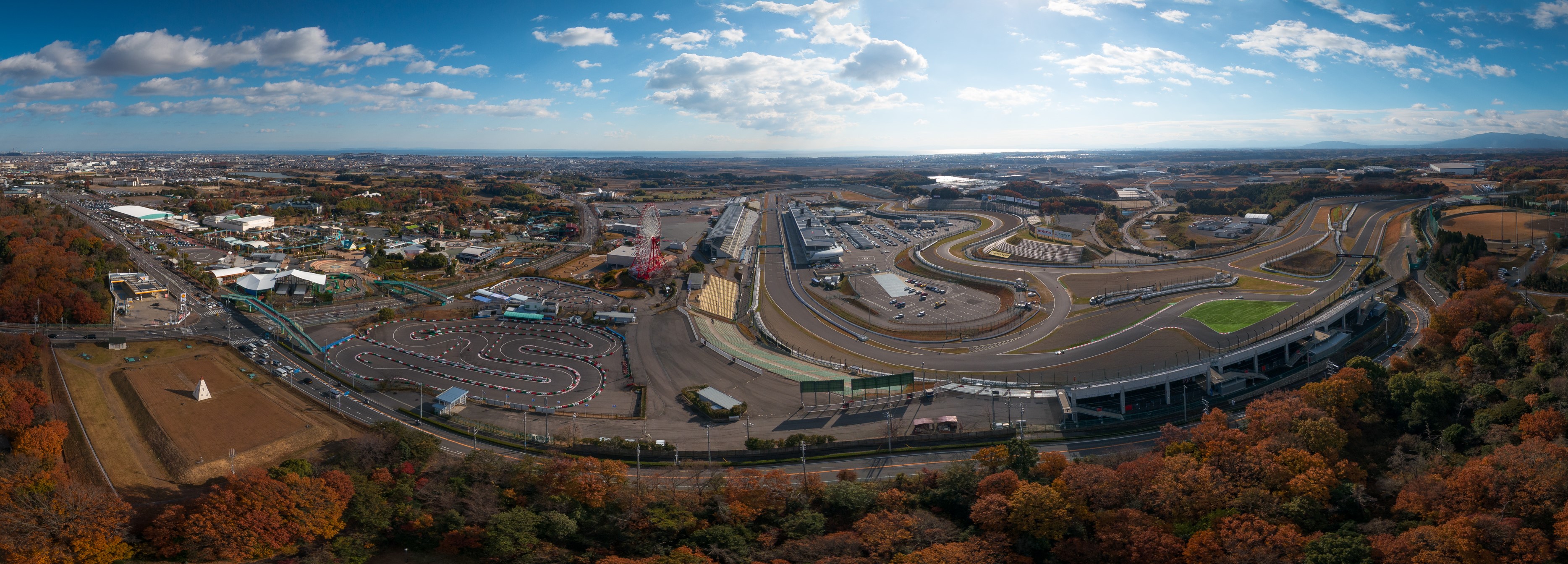
Suzuka isn't a straightforward first Grand Prix. It's remote by circuit standards, it doesn't sit inside a major city the way Singapore or Melbourne do, and 2027 adds a genuine wrinkle: this is Suzuka's first-ever Sprint weekend, so even fans who've followed the sport for years are seeing a new format here, not a routine repeat of past years.
The structure itself is worth understanding before you land. Friday covers Practice 1 and Sprint Qualifying — there's no FP2 or FP3 this year, which trips up anyone expecting the classic three-practice-session weekend. Saturday brings the Sprint race itself, followed by qualifying for Sunday's Grand Prix. Sunday is race day. That's a genuinely different rhythm from a standard weekend, with less practice time and two competitive sessions — Sprint and Grand Prix — inside three days rather than one.
Suzuka itself sits in Mie Prefecture, closer to Nagoya than to Tokyo or Osaka, and most fans base themselves in Nagoya rather than trying to stay near the circuit directly — Suzuka, Tsu, and Yokkaichi's limited hotel stock gets taken by teams and media early. Getting from Nagoya to the circuit is its own logistics question, covered in a dedicated experience, but the short version: plan the journey, don't assume it's a quick hop.
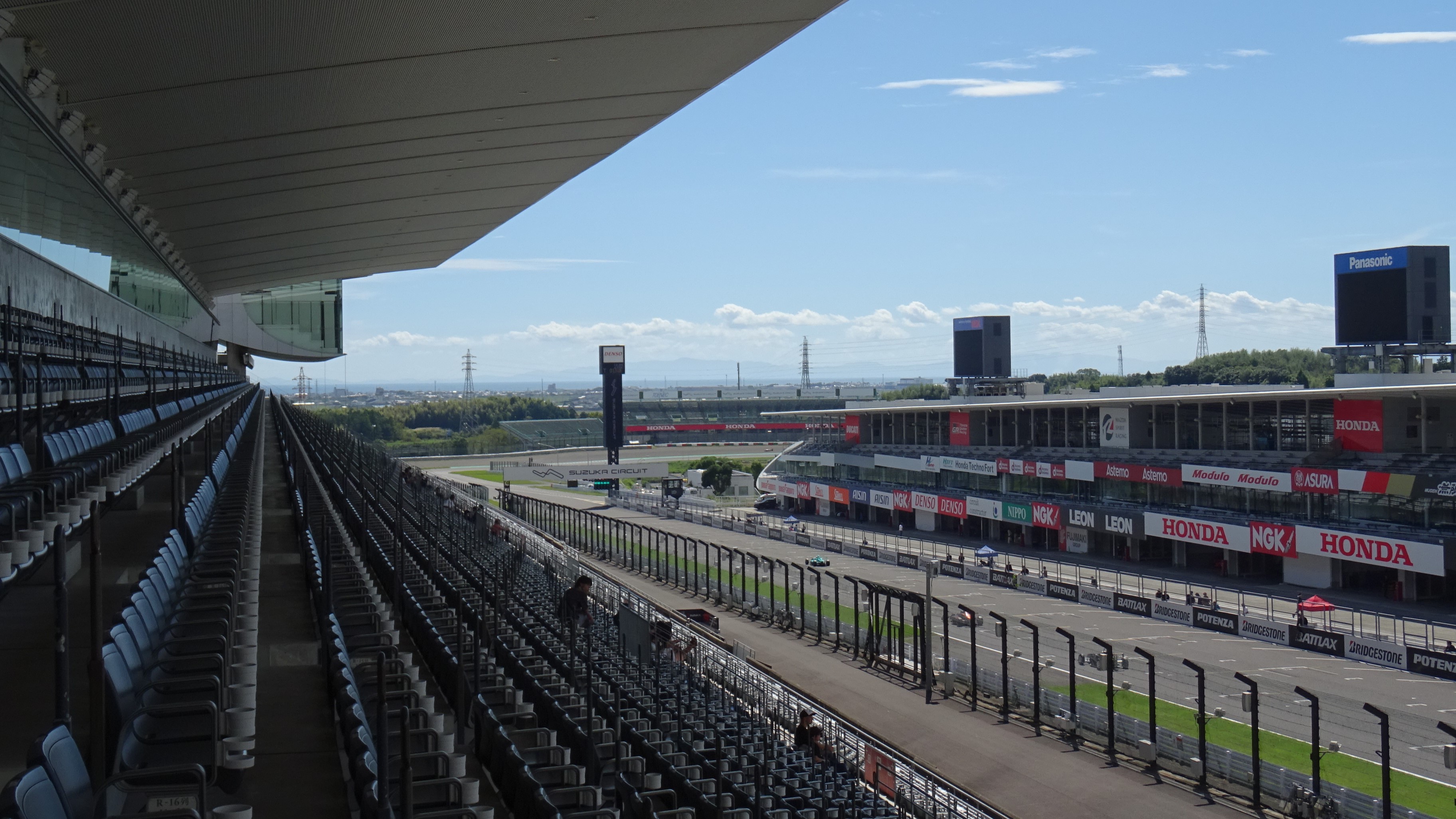
Ticketing is more layered here than at most circuits — roughly a dozen individually priced grandstands rather than a simple GA/grandstand/hospitality split, and it's genuinely worth understanding the tier structure before buying rather than picking a stand by name recognition alone. The dedicated ticket guide in this pack covers that decision in full.
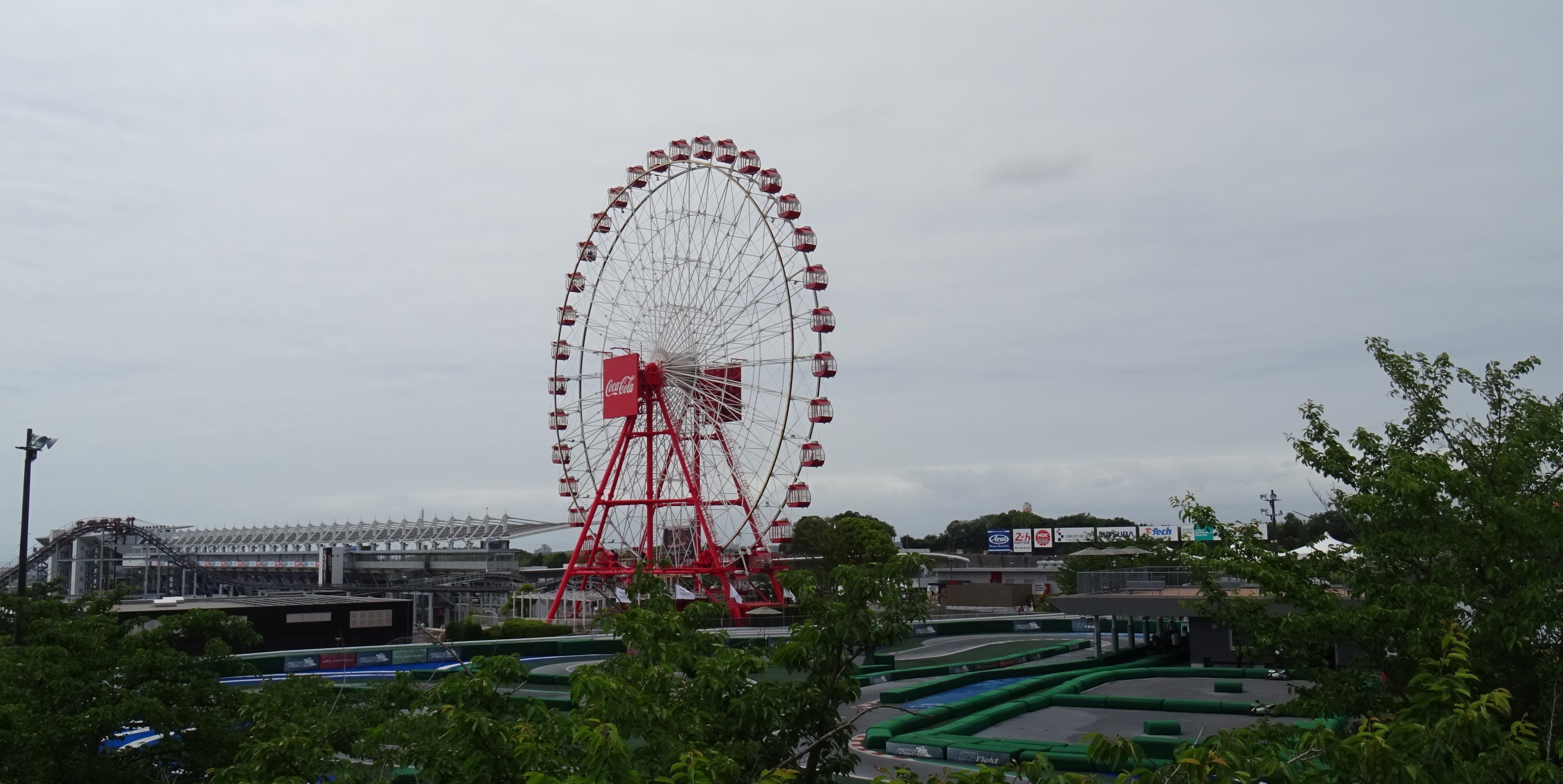
Beyond the track, Suzuka Circuit itself is part amusement park — Motopia, attached to the venue, is a real day out with a genuine Honda motorsport museum inside it, worth knowing about even if you'd never normally think of an F1 weekend as including a theme park. And the free fan zones, GP Square and the West Fanzone, run throughout the weekend with driver appearances, sim racing, and enough programming to fill the real gaps a Sprint weekend's lighter Friday schedule leaves open.
None of this is complicated once it's laid out. It's just genuinely different from a standard three-day race weekend, and worth knowing that going in rather than discovering it on arrival.
Why it's special
A first Suzuka trip built on assumptions from other circuits runs into real friction — a Sprint format with no FP2/FP3, a circuit that isn't walkable from a major city, and a ticket structure with a dozen individually priced grandstands instead of three or four simple tiers. None of that makes Suzuka harder to enjoy, but it does make it worth actually planning for rather than assuming it works like the last Grand Prix you attended.