Nagoya in a Day — the City Before or After the Race
Nagoya Castle, Osu's street chaos, and the food street most visitors walk straight past.
Most Suzuka visitors already pass through Nagoya without ever really seeing it — it's the base for the race, not the destination. That's worth correcting with one full day, either before the circuit takes over your schedule or after the race, while you're still in the region anyway.
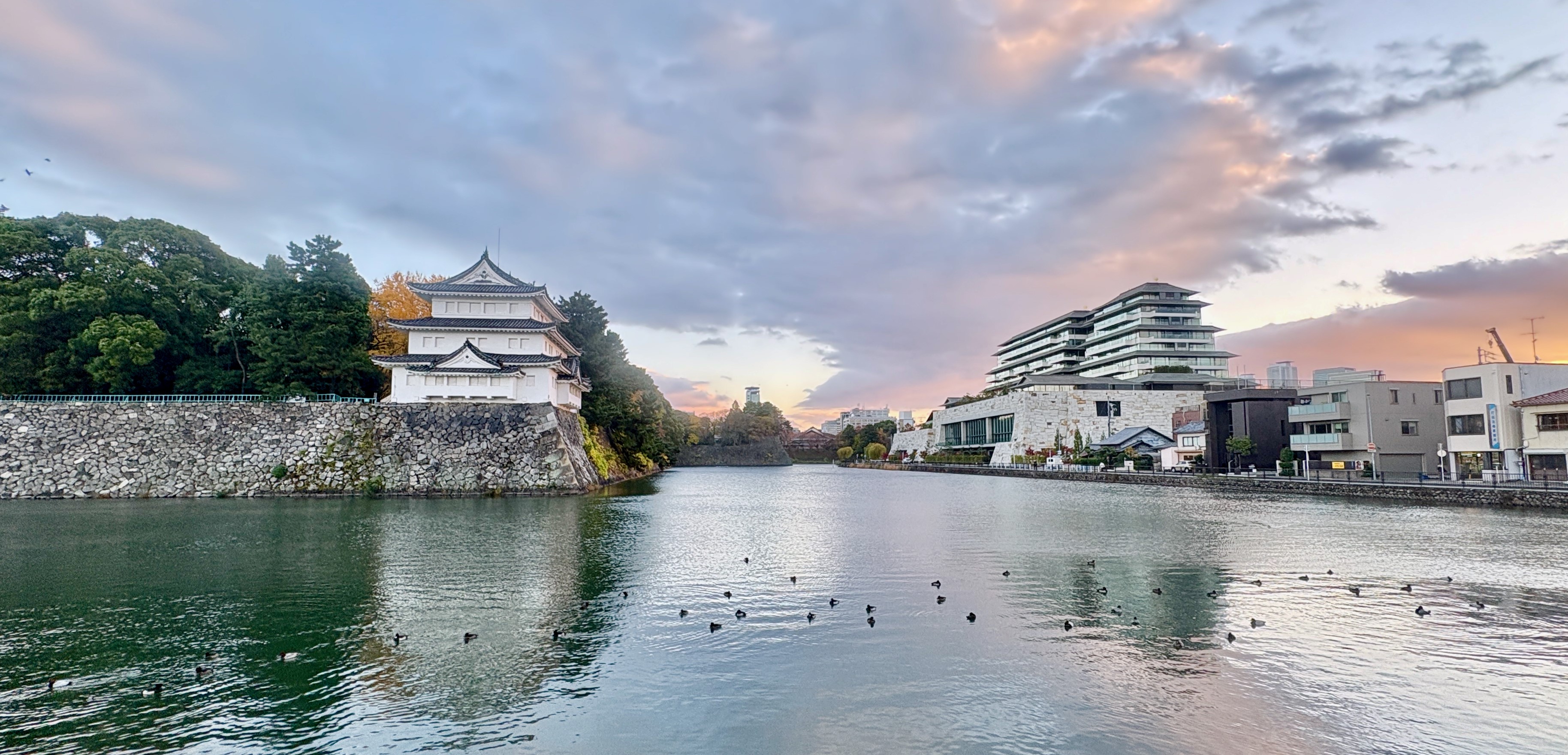
Nagoya Castle is the obvious anchor, and it earns the visit. See live rating and reviews on Google Maps. The main keep is a postwar reconstruction, but the Honmaru Palace within the castle grounds is the real draw — a genuinely faithful reconstruction of the original Edo-period structure, with gold-leaf paintings and interior detail rebuilt to match historical records rather than a generic castle-museum treatment. Budget a couple of hours here if the palace interior interests you, less if you're mainly there for the grounds and the photo.
From the castle, Kinshachi Yokocho sits right at the gates — a food street built specifically around Nagoya meshi, the city's own regional cooking, rather than a generic tourist food court. See live rating and reviews on Google Maps. That means the dishes Nagoya is actually known for: hitsumabushi, grilled eel served over rice in a wooden tub and eaten three different ways through the meal; miso katsu, a pork cutlet under a dark hatcho miso sauce; miso nikomi udon, thick noodles simmered in the same miso until they're almost chewy; tebasaki, the twice-fried peppered chicken wings; and ankake spaghetti, a local oddity of thick peppery gravy over pasta that exists essentially nowhere else. Several of the stalls are outposts of the long-established Nagoya names — Yabaton for miso katsu, Yamamotoya Sohonke for miso nikomi udon, Nagoya Bicho for hitsumabushi — so you're not trading quality for the convenience of having them in one place. It's the easiest single stop for eating your way through the city's signature dishes, and a natural lunch straight off a castle visit.
Osu is the other essential stop, and it's a genuinely different kind of neighbourhood from the castle grounds — a dense, slightly chaotic shopping street mixing electronics, vintage clothing, temples, and street food, closer to Tokyo's Akihabara in energy than anything else in Nagoya. Osu Kannon, the Buddhist temple the area is named for, sits right in the middle of it, worth a stop even if temples aren't usually your priority — the contrast between the temple grounds and the shopping street around it is part of what makes Osu interesting. See live rating and reviews on Google Maps.
If you have time beyond the castle and Osu, Sakae is Nagoya's modern commercial core — a place to end the day with dinner and a look at the city's contemporary side after a day spent mostly in its historical and food-focused areas.
One realistic day covers the castle, Kinshachi Yokocho, and Osu comfortably, with Sakae as an evening add-on if you're not racing back for an early Suzuka start the next morning.
Why it's special
Nagoya gets treated as a transit hub by most Suzuka visitors, and that's a real missed opportunity — it's a genuine city with its own castle, its own food identity, and a neighbourhood in Osu that doesn't resemble anywhere else on a typical Japan itinerary.
Building one full day around Nagoya itself, rather than treating it purely as where you sleep before the circuit, turns a logistics stopover into an actual part of the trip.
Insider tips
- 1
Visit Kinshachi Yokocho right after Nagoya Castle, not as a separate outing — it sits at the castle gates, and going straight from the grounds to lunch there is the natural order. If you only eat one thing, make it hitsumabushi: the point is the three-stage ritual — plain first, then with the wasabi and spring onion condiments, then with dashi poured over as a rice soup — and a stall that serves it properly will explain the order on the tray.
- 2
If you only have half a day rather than a full one, prioritize Osu over the castle interior — Osu Kannon plus the surrounding shopping street gives a more immediately distinctive sense of Nagoya than the castle's reconstructed keep does.
Practical info
- Hours
- Nagoya Castle: typically 9am-4:30pm (Honmaru Palace closes earlier); Osu Kannon and the surrounding street: open throughout the day
- Cost
- Nagoya Castle entry: budget-friendly, under ¥1,000; Osu and Kinshachi Yokocho: free to enter, food priced per stall — hitsumabushi is the expensive one (typically a few thousand yen), miso katsu, kishimen and tebasaki considerably less
- Access
- No advance booking required for the castle, Kinshachi Yokocho, or Osu — all walk-in.
- Getting there
- Nagoya Castle and Osu are both accessible via Nagoya's subway network from Nagoya Station — Nagoya Castle via the Meijo Line to Shiyakusho Station, Osu via the Tsurumai or Meijo Line to Osu Kannon Station. Both roughly 15-20 minutes from Nagoya Station.
- Address
- Nagoya Castle, 1-1 Honmaru, Naka-ku, Nagoya, Aichi 460-0031, Japan
What to avoid
Don't budget only an hour for Nagoya Castle if the Honmaru Palace interests you — the reconstructed interior is detailed enough to genuinely reward a longer visit, and rushing it undercuts the reason to go. Don't assume Osu is just another shopping street to skip if you're not interested in electronics or fashion — Osu Kannon and the temple grounds within the district are worth the stop on their own, independent of the shopping around them.