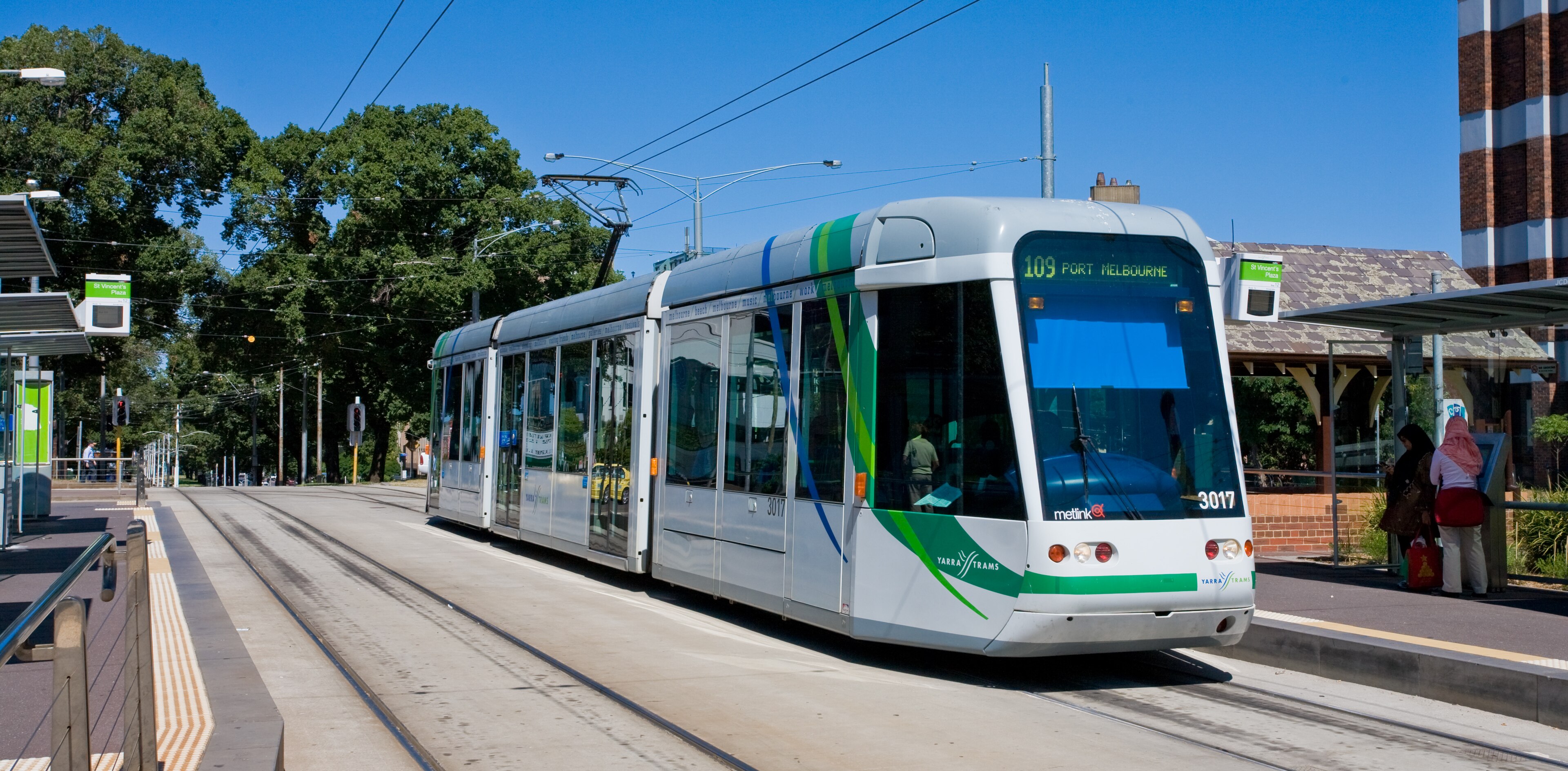
Albert Park sits 5km south of Melbourne's CBD, and the Australian Grand Prix Corporation makes getting there deliberately easy: both tram and train travel direct to the circuit are free on the day, as long as you're carrying a valid Grand Prix ticket. Around 5,000 extra tram services run across race weekend specifically to handle the crowds, on top of the regular network.
The train option is Anzac Station, an eight-minute walk from Gate 5 — trains between State Library, Town Hall and Anzac stations are free with your Grand Prix ticket on the day of travel. If you're boarding anywhere other than Town Hall or State Library, though, you still need to tap on with a valid myki, since the free-travel zone doesn't cover the whole network end to end. Tram shuttles run direct from the city to gates around the circuit and are the more commonly used option, since they drop you closer to most gates than the single train station does.
The one thing worth planning around is the return trip. Getting to Albert Park in the morning is usually smooth — crowds are spread across several hours of arrivals. Getting away afterward is a different story: at peak departure times on Thursday, Friday and Saturday, wait times for tram shuttles at Gates 1 and 2 have run up to 40 minutes, and on Sunday after the race itself, waits of up to an hour aren't unusual. That's tens of thousands of people trying to leave inside the same 30-minute window.
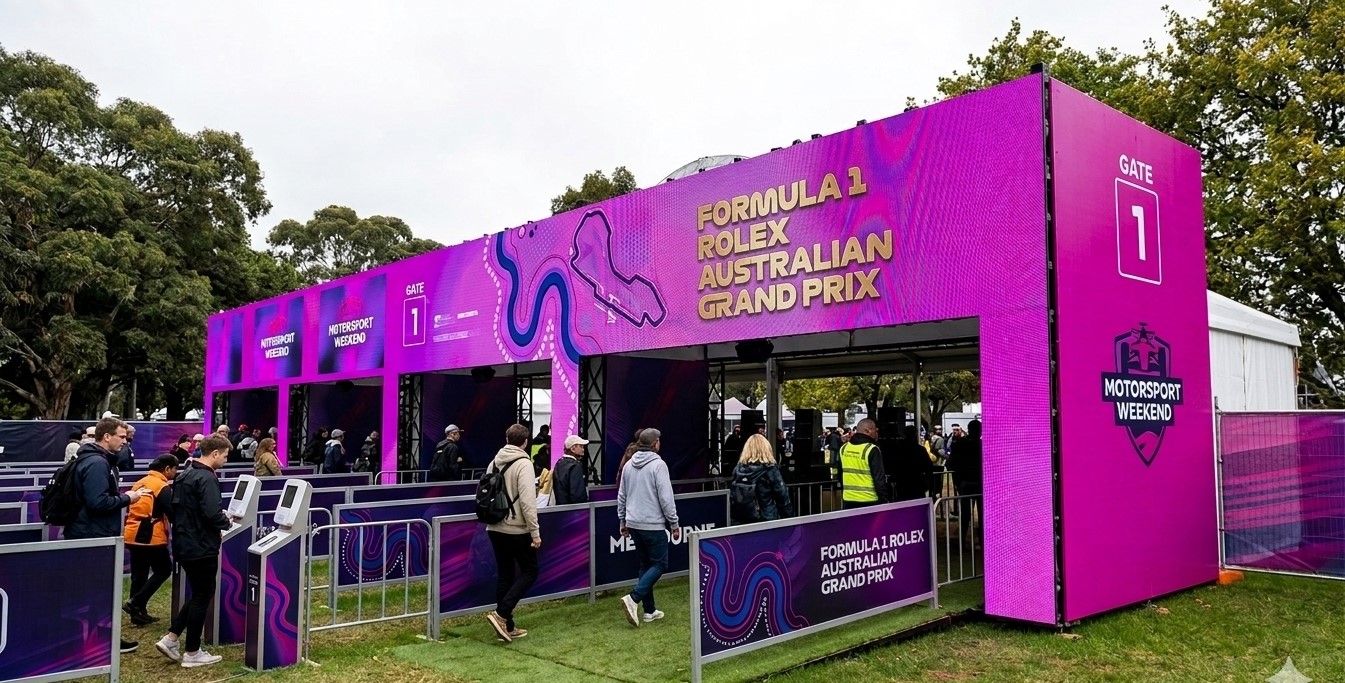
Two things make the difference between a smooth exit and a long, crowded wait. First, don't rush straight to the nearest gate the second the chequered flag falls — a coffee, a lap of the Fan Zone, or a slow walk to a gate that isn't the closest one to your seat can put you ahead of the main surge rather than in the middle of it. Second, know your gate number before race day; Albert Park's gates each serve different grandstands, and picking the wrong shuttle queue on a crowded Sunday costs real time.
Why it's special
Melbourne's approach to Grand Prix transport is genuinely unusual for a global sporting event — free tram and train travel on race day, thousands of extra services laid on, and a circuit close enough to the CBD that most visitors never need a car or a taxi at all. That's a real, considered piece of event infrastructure, not an afterthought bolted onto the ticket price.
The trade-off is the departure crush, which is real and worth planning around rather than being surprised by. A first-time visitor who treats the exit like the arrival — just walk to the nearest gate — is the person standing in a 40-minute or hour-long queue. Someone who knows to hang back ten minutes after the flag, or walk to a slightly less obvious gate, gets home while everyone else is still queuing. It's a small piece of local knowledge that changes the last hour of your day more than almost any other single tip.