The Cradle of Humankind sits about 40 kilometres northwest of Johannesburg, near Krugersdorp, and it's the kind of site that undersells itself in a single sentence - this is where some of the most significant hominid fossil discoveries anywhere in the world have been made, including "Little Foot," one of the most complete early hominid skeletons ever found. The whole area was declared a UNESCO World Heritage Site in 1999.
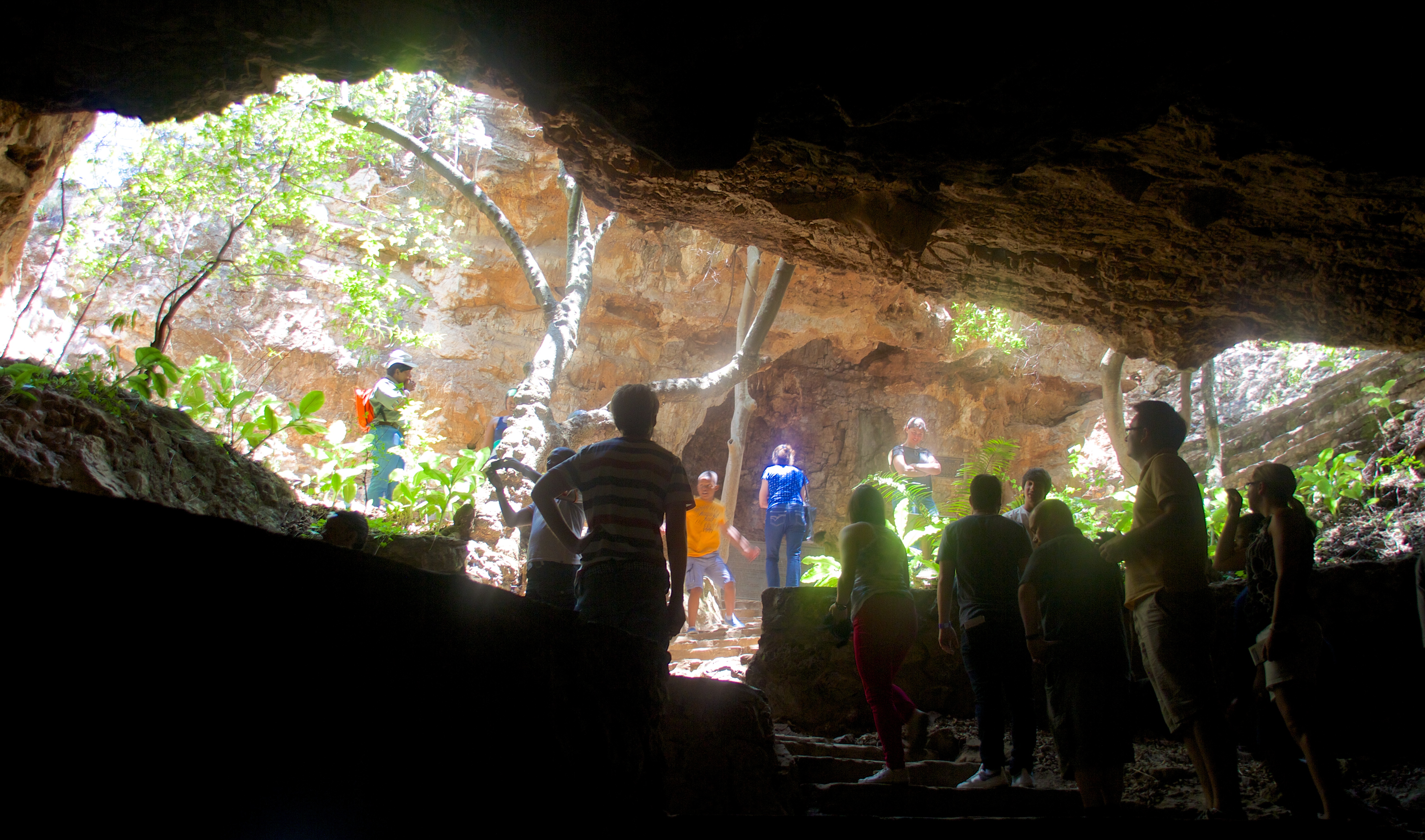
Sterkfontein Caves is the main visitor site within the Cradle, open Tuesday to Sunday, 9am to 4pm, closed Mondays. Guided tours run hourly, the last departing at 4pm, and each one runs roughly an hour to ninety minutes through the cave system itself before moving into the exhibition. Adult tickets are R150, covering both the cave tour and the exhibition. Children aged 6-18 pay R125, under-6s go free (capped at two per adult), and pensioners pay R100 with ID. The cave interior sits at a constant 20°C year-round, worth knowing if you're visiting straight from a hot Johannesburg afternoon.
A short drive away sits the Maropeng Visitor Centre, which works as a companion stop rather than a replacement - Maropeng handles the broader human origins story through interactive exhibits, while Sterkfontein gets you into the actual cave system where the fossils were found. Most visitors combine both in a half-day or full-day trip from Johannesburg, either self-driven or through a tour operator.
Compared to Kruger, this is the realistic option if you want a genuine day trip rather than a multi-day commitment - roughly an hour each way, a couple of hours on site, and you're back in Johannesburg well before dinner.
For a fan who doesn't want to commit to the drive time or overnight stay a proper Kruger trip needs, there's a genuine local alternative worth knowing about: the Rhino & Lion Nature Reserve, about an hour from Johannesburg near Krugersdorp and malaria-free. It's a real half-day safari, not a substitute in name only - a two-hour game drive through the reserve covering more than 30 species including lions, rhinos, cheetahs, and leopards, often paired with a visit to the reserve's own Wondercave. Predator feedings (lion, wild dog, cheetah) run on Wednesdays, weekends, and public holidays specifically, so it's worth timing a visit around those days if that's part of the draw. It won't replace Kruger's scale or its genuine Big Five wilderness feel, but as a same-day option that doesn't eat into your cricket schedule, it's a real answer for anyone who wants wildlife without the two-way drive.
Why it's special
Kruger gets most of the attention when people think about what to add to a Johannesburg trip, and it deserves it, but the Cradle of Humankind is doing something genuinely different and arguably just as significant. This isn't wildlife tourism, it's standing in the actual place where some of science's most important fossil finds happened.