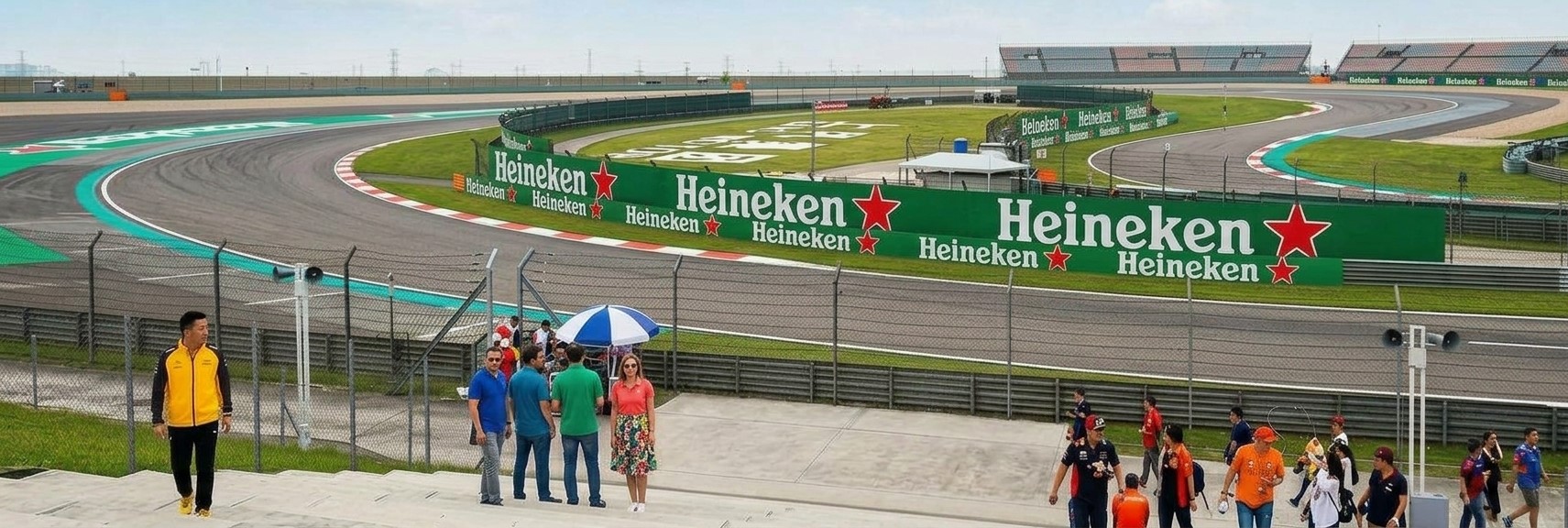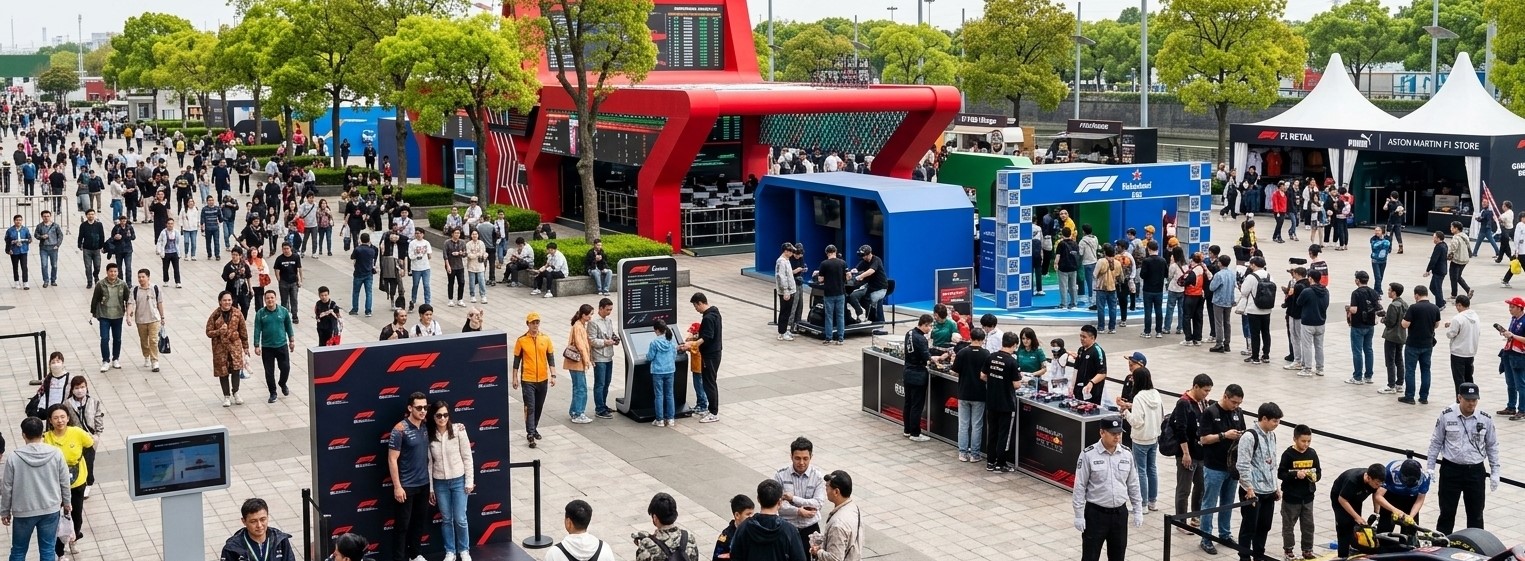
Every Shanghai visitor eventually eats xiaolongbao, the city's signature soup dumpling. What most don't realize is that the dish wasn't invented downtown — it traces back to Nanxiang, a town now inside Jiading District, close enough to Shanghai International Circuit to make a genuinely easy stop before or after a race weekend.
The dumpling itself dates to 1871, when Huang Mingxian, running a dim sum shop called Rihuaxuan on what's now Renmin Street in Nanxiang's old town, reworked an older tradition of soup-filled buns into something more refined: a thinner wrapper around a filling built partly from solid pork-skin aspic that melts into liquid soup during steaming. In 1900, a relative of the Rihuaxuan family opened a second shop nearby, Changxinglou, which later expanded into central Shanghai as what's now known as the Nanxiang Steamed Bun Restaurant beside Yu Garden — the dish's most famous downtown home. But Rihuaxuan and Changxinglou, both still standing in Nanxiang's old town today, are where the recipe actually started.
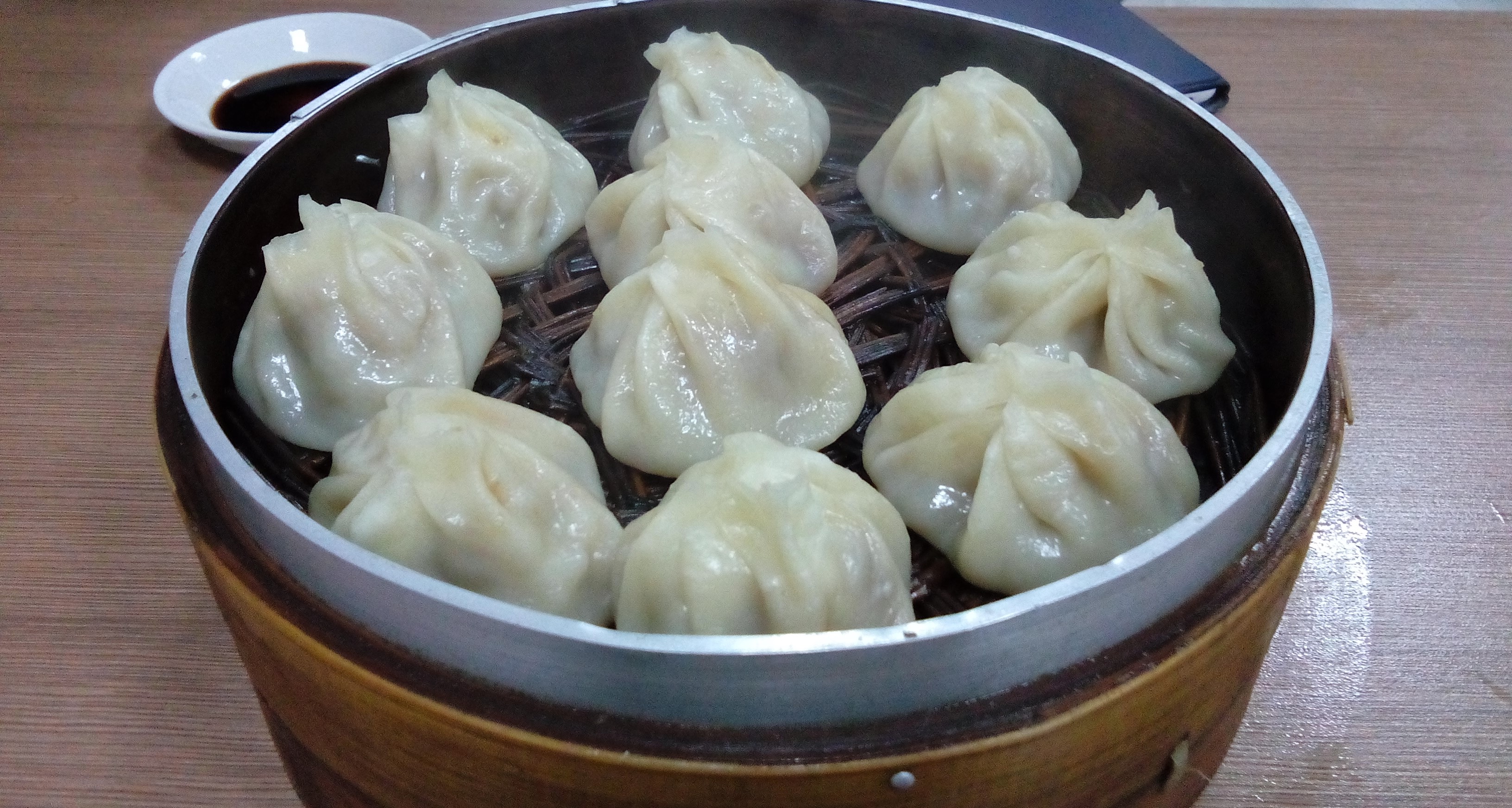
How you eat it matters as much as where. Lift a dumpling carefully by the pleated top — by hand with chopsticks, or set on a spoon — then nibble a small opening in the side to let the steam and broth escape before eating it whole. The classic pairing is a dip of Zhenjiang black vinegar with a few thin shreds of fresh ginger, used lightly rather than as a soak, to cut through the richness of the pork and the soup without masking it. Most Nanxiang restaurants also serve a simple side — a light soup or a plate of stir-fried greens — specifically because xiaolongbao itself is rich enough that a second heavy dish feels like too much.
Nanxiang is one of Shanghai's oldest settlements, established during the Liang Dynasty in 505 AD, roughly 1,500 years before Formula 1 ever came to Shanghai. Its old town still has the twin pagodas and the classical Guyi Garden that give the area its character beyond the food. Just outside the garden's south gate sits Guyi Garden Restaurant, a well-established name in its own right, known locally for its seasonal crab roe xiaolongbao when crab is in season — a genuinely well-reviewed, currently-operating option if Rihuaxuan or Changxinglou have a wait.
This is a genuinely budget-friendly stop: dumplings are inexpensive street-level or casual-dining food across China, and Nanxiang's old town doesn't charge circuit-adjacent or tourist-trap prices for the privilege of eating where the dish began. Pair it with a walk through the old town itself and it's a half-day that costs very little and delivers a real piece of food history most race-weekend visitors to Shanghai never find.