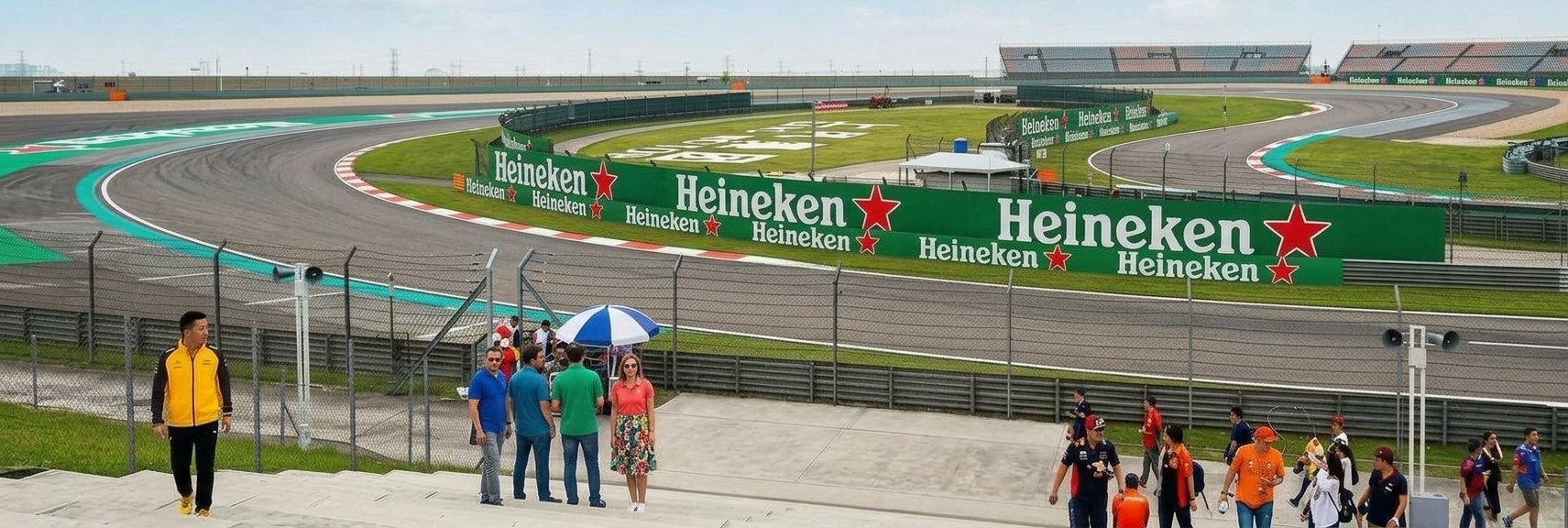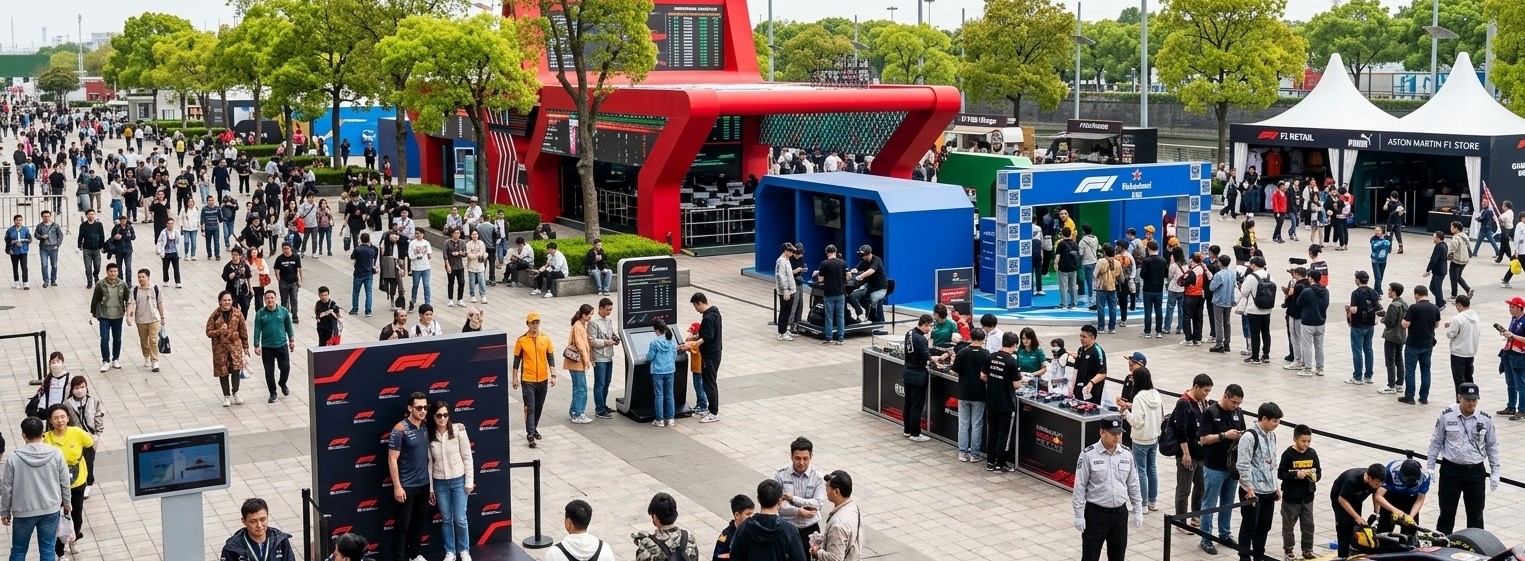
Shanghai International Circuit didn't land in Anting by accident. This corner of Jiading District has been the real center of China's automotive industry since 1985, when SAIC Volkswagen — the country's first Sino-foreign joint venture car company — set up its original plant here, still Volkswagen's oldest and largest production base in China. Anting has grown into a genuine manufacturing hub around it, with government figures putting more than 1,000 component manufacturers in the area.
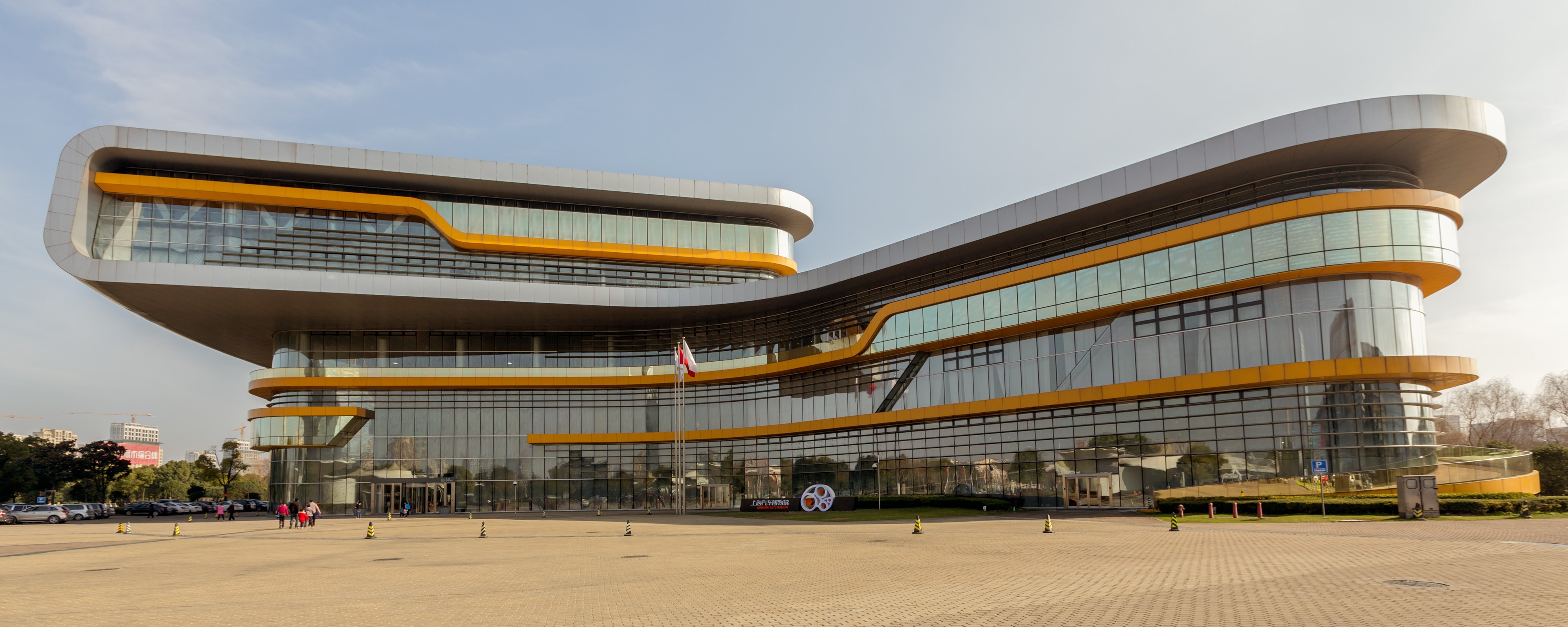
That history is something you can actually walk into. The Shanghai Auto Museum sits inside the Auto Expo Park, a 5-minute walk from Anting metro station: 100-plus classic and antique cars across roughly 50 brands and a century of automotive history, including a History Pavilion with milestone vehicles and an Antique Car Pavilion covering 1900-1970. Open Tuesday to Sunday, 9:30am-4:30pm (closed Mondays), adult admission RMB30 — a genuine two-hour stop that fits naturally around a day otherwise built around the circuit.
Anting German Town is the stranger detour, and it's a real, specific place to walk through rather than just a curiosity to read about. Take Metro Line 11 to Shanghai Automobile City station, then it's about a 1km walk (or a short taxi). The town centers on a square with a church — the church itself isn't open to the public, more a landmark than a working building — flanked by statues of Goethe and Schiller, all built in a Bauhaus-influenced northern German architectural style from the early 2000s. It was built to house automotive-industry workers and has been widely reported as significantly underoccupied ever since; there's a bakery, a supermarket, and a few other small businesses, but don't expect real German food or a lively street scene. Go for the architecture and the photos, not a meal.
Anting Old Street, covered elsewhere in this pack, rounds out a full day in the area — a genuine 1,800-year-old river town a short distance from both the museum and German Town, giving you three distinct stops (industrial history, planned-town oddity, ancient river town) all within easy reach of the circuit.
Why it's special
Most Grand Prix venues sit inside a neighborhood built, at least partly, around hosting visitors — hotels, restaurants, and infrastructure shaped by decades of race weekends. Anting is the opposite kind of place, and that's exactly what makes it worth an actual visit rather than a skim-read. This is real China: a working automotive manufacturing hub you can tour through its own museum, a genuinely odd planned German town built for factory workers that reads more like an urban-planning case study than a tourist stop, and an 1,800-year-old river town a few minutes away. None of it was built for a Formula 1 crowd, and all three stops are real, walkable, and worth your time on a day away from the sessions.