Bo-Kaap is the small, steep neighbourhood on the slope below Signal Hill where Cape Town's Cape Malay community has lived since the 1760s. The houses are famous for their colour, but the reason isn't decorative tradition — it's history. While residents leased the properties, the houses had to stay white. When the lease rule lifted and residents could buy the homes they'd been living in, they painted them in bold colour as a visible act of freedom.
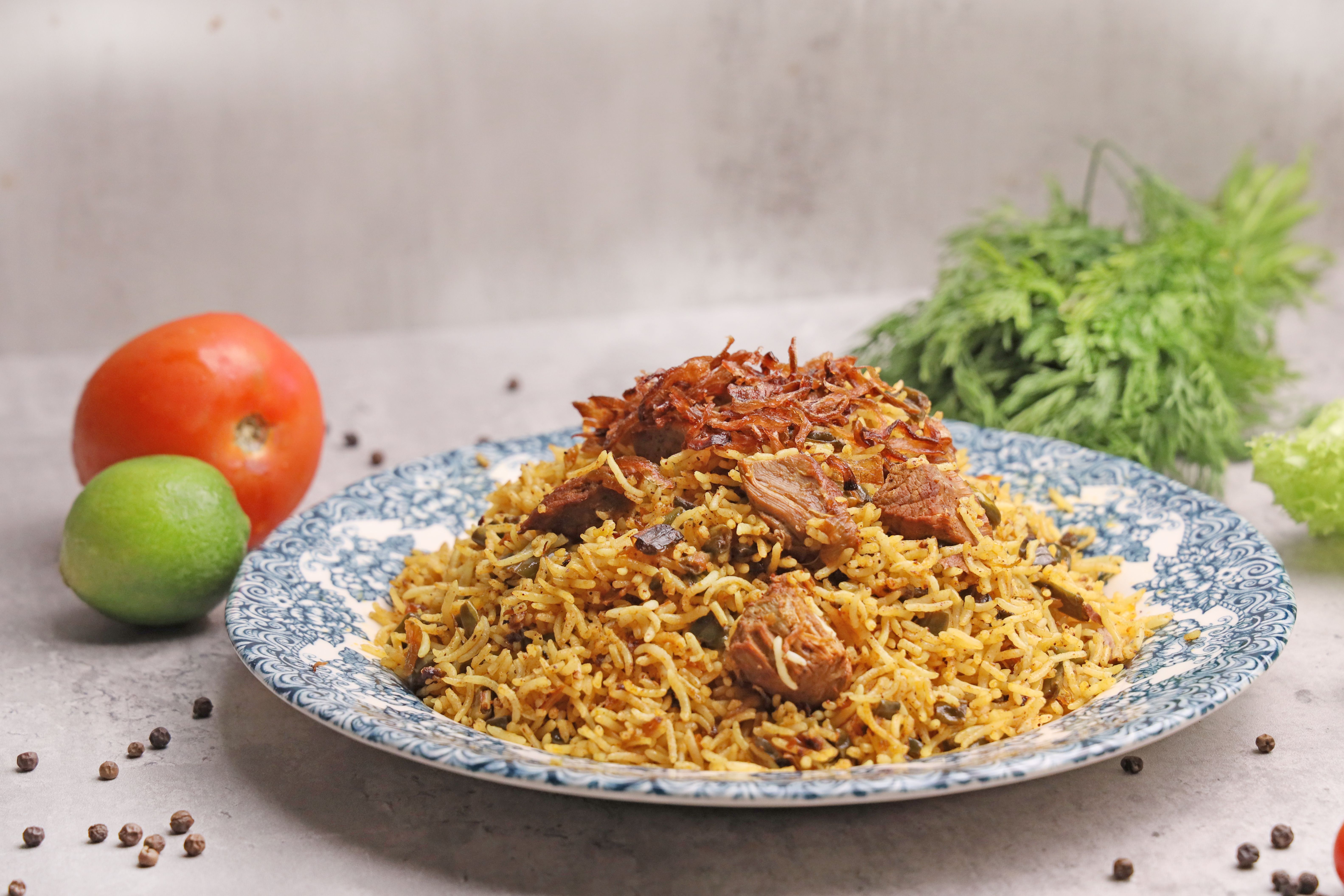
The food follows the same lineage. Cape Malay cooking blends Indonesian, Indian, and Cape Dutch influences into dishes like bobotie, denningvleis, and bright yellow curries built on turmeric, cinnamon, and dried chilli. Biesmiellah, on Wale Street, has served halaal Cape Malay dishes for decades. Bo-Kaap Kombuis, run by Yusuf and Nazli, sits higher up the hill with views over the rooftops. For a more hands-on visit, Andulela runs Cape Malay cooking experiences combining a neighbourhood walk, a spice shop stop, and a cooking session ending with the meal you made.
The Bo-Kaap Museum on Wale Street, in one of the neighbourhood's oldest houses, gives useful context — a quick visit, free entry on Fridays.
Once evening comes, the City Bowl's Bree Street and Kloof Street take over. Bree Street has become Cape Town's most talked-about restaurant strip, more than sixty bars and restaurants along one stretch, from wine bars to wood-fired pizza to Liam Tomlin's Chef's Warehouse. Kloof Street runs a similar scene with a slightly more neighbourhood feel.
Why it's special
The colour in Bo-Kaap gets photographed constantly and explained rarely. Once you know the houses were white by law and only turned bright after emancipation, the neighbourhood stops being a backdrop and starts being a story you're walking through. The food carries the same weight — Cape Malay cuisine exists because people brought here against their will held onto their cooking as one of the few things that couldn't be taken from them.
Pairing that with the City Bowl's restaurant scene at night gives the day real shape: heritage cooking in daylight, contemporary Cape Town cuisine after dark.
Insider tips
- 1
Visit Bo-Kaap in the morning if photography matters — the steep streets get harsh light by early afternoon.