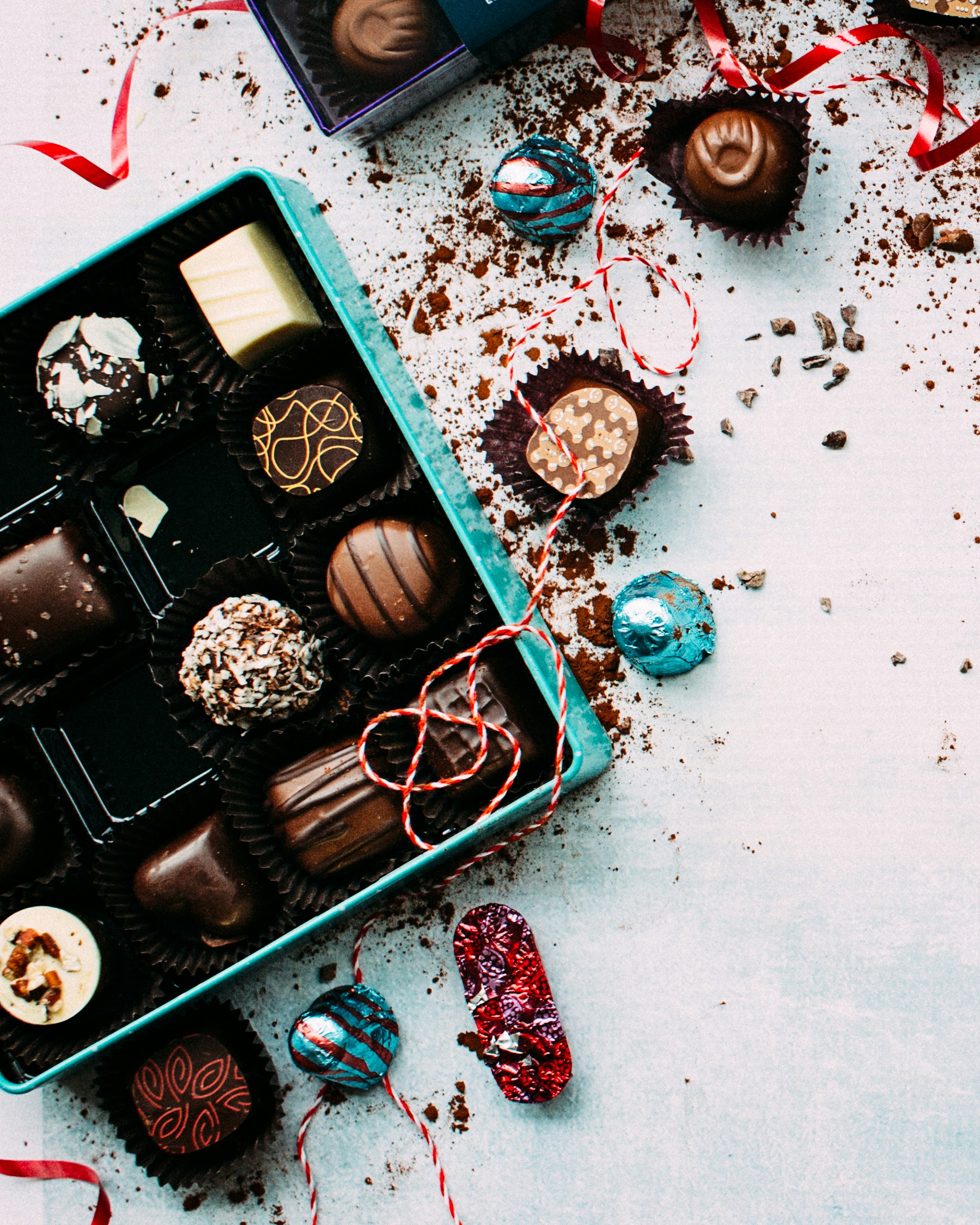
Gianduja is Turin's invention — a blend of chocolate and roasted hazelnuts, created during the Napoleonic era when cocoa was scarce in the city and bulking it out with locally-abundant hazelnuts turned necessity into what became the region's defining confection. It's the direct ancestor of the hazelnut-chocolate spreads that later became globally famous, but the original, and still the best version to actually taste, is a wrapped dark chocolate sweet with a gianduja ganache centre.
Turin takes this seriously enough that it functions as a real, walkable food trail through the city's historic chocolate shops and cafés, sitting alongside the aperitivo and bicerin traditions as part of the same broader food identity — this is a city that has genuinely built its culinary reputation on precision with a small number of specific things, chocolate among them.
This pairs naturally with a Piazza San Carlo aperitivo evening or a visit to Caffè Al Bicerin — Turin's chocolate culture, coffee culture, and aperitivo culture aren't separate experiences, they're facets of the same civic habit of taking small, specific pleasures seriously and doing them consistently well.
Guido Gobino's flagship bottega at Via Giuseppe Luigi Lagrange 1 is the real chocolatier to seek out. See live rating and reviews on Google Maps.
If you want the deeper story behind the tradition rather than just tasting it, the Chocolate & Gianduja Museum (Choco-Story Turin), at Via Paolo Sacchi 38, covers the history and craft in more depth than a shop visit alone — a good complement to the walkable food trail above, not a substitute for actually seeking out a real chocolatier. See live rating and reviews on Google Maps.
Why it's special
The detail worth carrying with you is the origin story — gianduja exists because of a cocoa shortage, not despite one, and that's a genuinely different creation story from most confections, which tend to be born from abundance rather than constraint. For a visitor who's spent the trip watching the best tennis players in the world compete at the literal top of their craft, there's a real parallel in Turin's food culture: precision and specificity, applied consistently, rather than scale or excess. Tasting an actual gianduja sweet, from a shop that's made them for generations, is a small but genuine way to understand that same civic instinct.