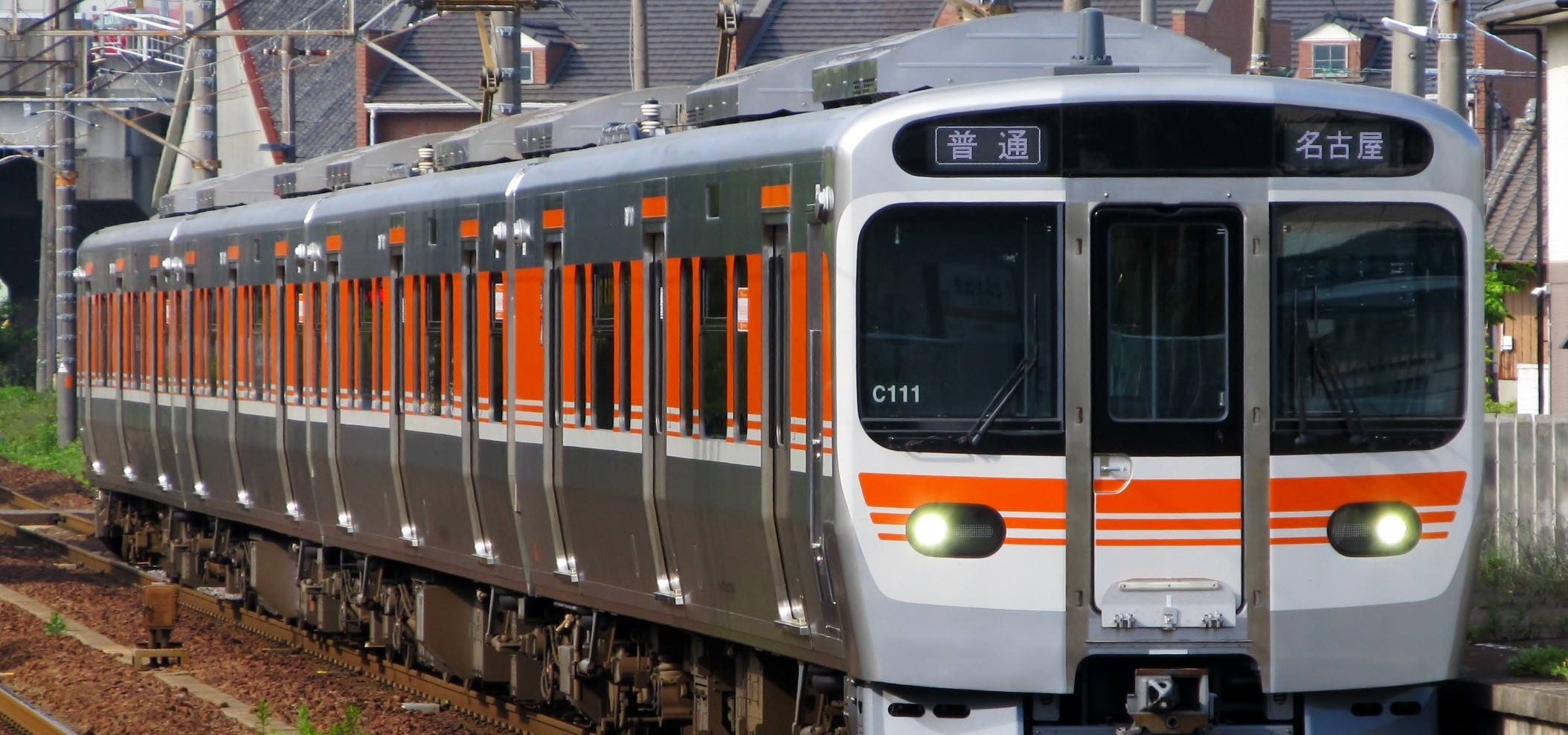
Suzuka has no international airport of its own, so the first real decision on this trip happens before you've even booked a hotel: which airport you fly into. Get it wrong and you're adding real hours to a trip that's already logistically involved.
Chubu Centrair (NGO) — the right default for almost everyone
The real international gateway for the Nagoya and Mie region, roughly an hour from Suzuka Circuit by car, and well connected by direct and one-transfer international routes from major hubs across Asia, North America, and Europe. From Centrair, the Meitetsu Airport Line runs into Nagoya Station, then onward via JR and Ise Railway toward Suzuka Circuit Ino Station — or, for race weekend specifically, a direct Kintetsu train to Shiroko Station followed by a short shuttle bus, the connection most guides flag as smoothest during the Grand Prix itself.
Narita (NRT) + Shinkansen — the real, slower alternative
Makes sense if your flight options into Tokyo are meaningfully better than into Centrair, or if you're building a longer Japan trip around the race and want Tokyo as your entry point regardless. Narita Express from the airport into central Tokyo, then a Shinkansen transfer bound for Nagoya — budget around three hours door to Nagoya Station including the transfer, and roughly US$54 for the rail portion at standard pricing. From Nagoya Station, the onward connection to Suzuka is identical to the Centrair route.
Neither option is wrong. What doesn't make sense is defaulting to Narita purely out of familiarity with Tokyo as Japan's main gateway, when Centrair exists specifically to serve this region and cuts real time off the journey — roughly half the total travel time to Nagoya, one fewer transfer.
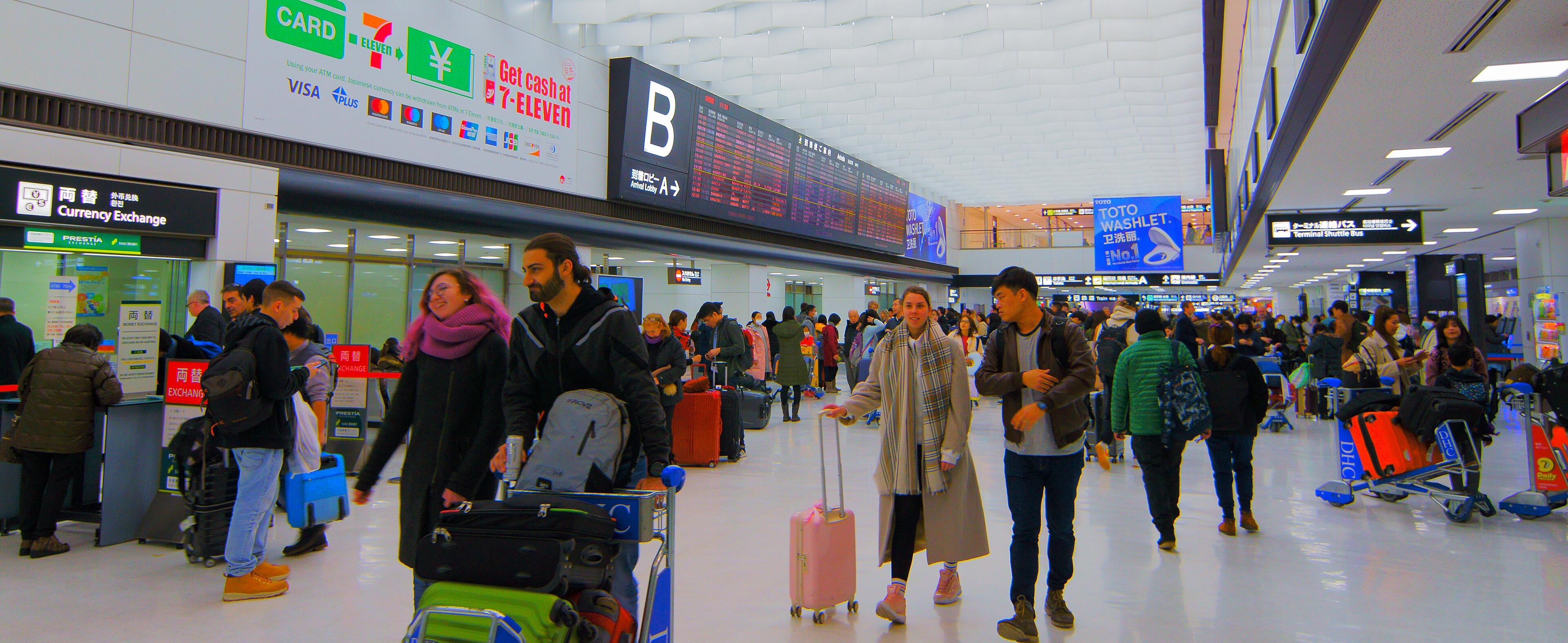
Nagoya to Suzuka — the leg first-timers underestimate
Not a quick suburban hop — a genuine cross-region rail journey. The standard route runs Meitetsu from Nagoya Station, then a JR Kansai Main Line connection to Yokkaichi Station, then the Ise Railway on to Suzuka Circuit Ino Station — roughly 90 minutes door to door outside race weekend. The route most guides recommend specifically for race weekend is a direct Kintetsu train from Nagoya to Shiroko Station, followed by a shuttle bus for the final five kilometres. During the Grand Prix, JR and Ise Railway also run a joint direct express — the Suzuka Grand Prix limited express — cutting the journey to around an hour with no transfers, when it's running.
Build in real buffer time on race day specifically. Every train and shuttle on these lines runs at capacity during the Grand Prix weekend, and a missed connection on a day with a fixed session start time is a genuinely bad way to begin your visit.
Set up a Suica IC card before you land
Works nationally, covers trains, buses, and most convenience store purchases, and can be loaded and topped up through Apple Pay or Google Wallet before you've even landed — avoids a ticket-machine queue on your first day.
Essential apps for the trip
Google Maps
Handles most journeys reliably across Japan's rail network — the default route planner for the trip.
NAVITIME
A dedicated Japanese transit app with its own Aichi Prefecture/Nagoya coverage area — gives more Suzuka-specific routing detail if Google Maps' suggestion looks uncertain.
GO
The most widely used ride-hailing app in Japan and a genuine option in Nagoya. Uber operates in the country but with more limited coverage — don't assume it'll be your fallback everywhere.
What we'd actually do
Fly into Chubu Centrair if your route supports it — it's the region's real gateway and cuts a genuine hour-plus off the journey compared to landing in Tokyo. Once in Nagoya, take the direct Kintetsu route to Shiroko Station on race days specifically, and set up a Suica IC card before you land so your first transit connection isn't also your first ticket-machine queue.