Bucket List
Ten More Sporting Events Every Fan Should See Live
Tennis & Golf & Cricket & Formula 1·3 min read·August 11, 2026
Wyatt Simpson, Unsplash Licence
Our first list covered four events chosen for very different reasons — ceremony, history, scale, and driving. This one goes wider: ten more, across the same four sports, none of them repeats.
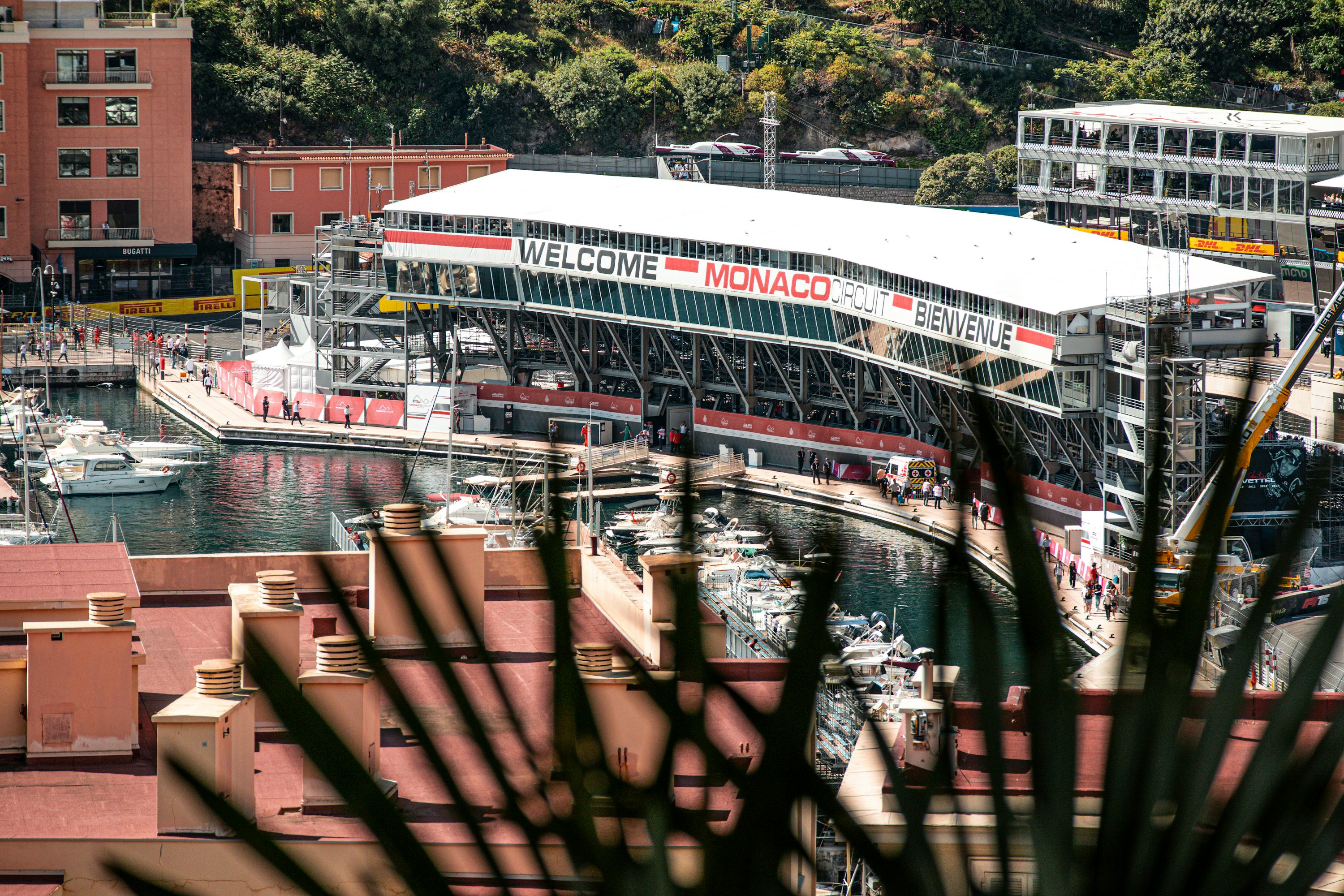
Monaco Grand Prix, for the impossibility of it
Monaco is F1's narrowest circuit, its shortest straight, and — according to three-time champion Nelson Piquet — "like riding a bicycle around your living room." Elevation shifts by 42 meters over one lap, a genuinely extreme swing most street circuits never come close to. Qualifying decides more of the race here than at any other venue, because overtaking on track is close to impossible.
The Ryder Cup, for the format nobody else uses
Twelve golfers a side, 28 matches across three days, first to 14.5 points — the Ryder Cup is the rare top-tier golf event built entirely around team play instead of individual scoring, and its biennial gap means every edition carries two years of pent-up stakes.
An IPL Final, for the scale of Indian cricket
The 2025 final at Narendra Modi Stadium in Ahmedabad drew 91,419 fans — the largest cricket stadium on earth, filled for a domestic league final, not an international match. It's proof that cricket's biggest crowds aren't always at World Cups.
The Australian Open at night, for the heat and the roof
Rod Laver Arena had one of the world's first retractable roofs on a sports venue back in 1987. The tournament's own Heat Stress Scale, introduced in 2019, measures four separate climate factors just to decide when conditions are too dangerous to keep playing — a genuinely unique operational reality no other Slam has to manage.
The World Test Championship Final, for cricket's newest tradition
First played in 2021, the WTC Final crowns Test cricket's actual world champion — a single match, with a scheduled reserve day built in, a deliberate nod to the format's own unpredictable-weather history. The 2027 final at The Oval lands during the 150th anniversary of Test cricket itself.
Roland Garros, for the surface itself
Court Philippe-Chatrier's clay is just two millimetres of crushed red brick dust over 1.5 tonnes of terre battue, and the court's 32-foot baseline run-off is the largest of any Grand Slam court in the world — genuinely more time and space to construct a point than tennis offers anywhere else.
The Masters, for the silence
Augusta National bans cell phones entirely, on the entire property, for every patron — a rule enforced strictly enough that a past major champion has been escorted off the grounds for breaking it. No other major sporting event anywhere asks its crowd to disconnect that completely.
A T20 World Cup Final, for the chaos a game this short can hold
In 2016, West Indies' Carlos Brathwaite hit four consecutive sixes off the final over to win the title from nowhere — a finish only a format this short and this volatile could produce. Twenty overs a side turns an entire tournament on one over, sometimes one ball.
The Singapore Grand Prix, for the race that changed the sport's clock
Singapore hosted F1's first-ever night race in 2008, lit by roughly 1,600 custom floodlights around the Marina Bay street circuit — a format built specifically to suit European broadcast times, that's since been copied by half a dozen other races on the calendar.
The Laver Cup, for the format that punishes a slow start
Team Europe versus Team World, in a competition where points are deliberately weighted — 1 point for a Day 1 win, 2 for Day 2, 3 for Day 3 — so a team that falls behind early has to win harder just to catch up. Roger Federer co-founded it in 2017, and it remains the only regular team event in men's tennis built around continents rather than countries.
Why these ten
Same rule as the first list: this isn't a ranking. Each one earns its place for a different, specific reason — a format, a fact, a feeling — and together they cover ground the first four didn't touch.