Rivalry
Team India's Bharat Army — the Fan Group That Travels Further Than the Team
Cricket·2 min read·August 11, 2026
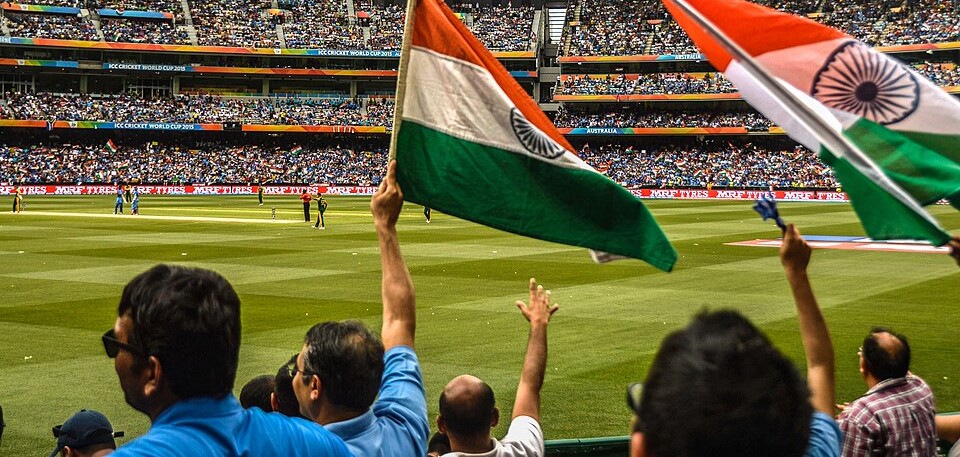
The Barmy Army follows one team from one country. The Bharat Army follows one team from everywhere its diaspora lives — and that difference shapes the entire group.
It started with four strangers at a World Cup match
The Bharat Army was founded in 1999 by Rakesh Patel, after he and three other Indian cricket fans crossed paths at Old Trafford watching India play Pakistan during that year's World Cup. What began as four people who happened to sit near each other has grown into an organization with over 160,000 registered members worldwide — a full commercial operation now, with a head office in Ahmedabad, another in London, and roughly 20 full-time staff spread across three countries.
The diaspora is the actual engine
This is where the Bharat Army genuinely differs from its English counterpart. At the 2019 Cricket World Cup in England, around 11,000 Bharat Army fans traveled in from 23 different countries to support India — not primarily from India itself, but from the global Indian diaspora, showing up from wherever they'd settled. During the 2023 World Cup, the group says it organized travel for 18,000 fans. Over the past decade, it's run travel programs across 13 different ICC tournaments. The team travels to one country at a time. The support travels from dozens.
Recognition came from the team itself
In 2018, following India's historic Test series win in Australia, the BCCI formally recognized the Bharat Army and invited members to celebrate with the team directly — a rare moment where an official cricket board acknowledged an unofficial fan movement as part of the actual story of a win, not just background noise in the stands.
Why this rivalry still matters
The Barmy Army's identity is built on loyalty through losing. The Bharat Army's is built on distance — a support base that doesn't share one country, one time zone, or even one accent, united by a team that gives them a reason to show up in the same stadium anyway. Neither group needed the other to exist, but cricket's biggest rivalries are genuinely funnier, louder, and more alive because both of them do.